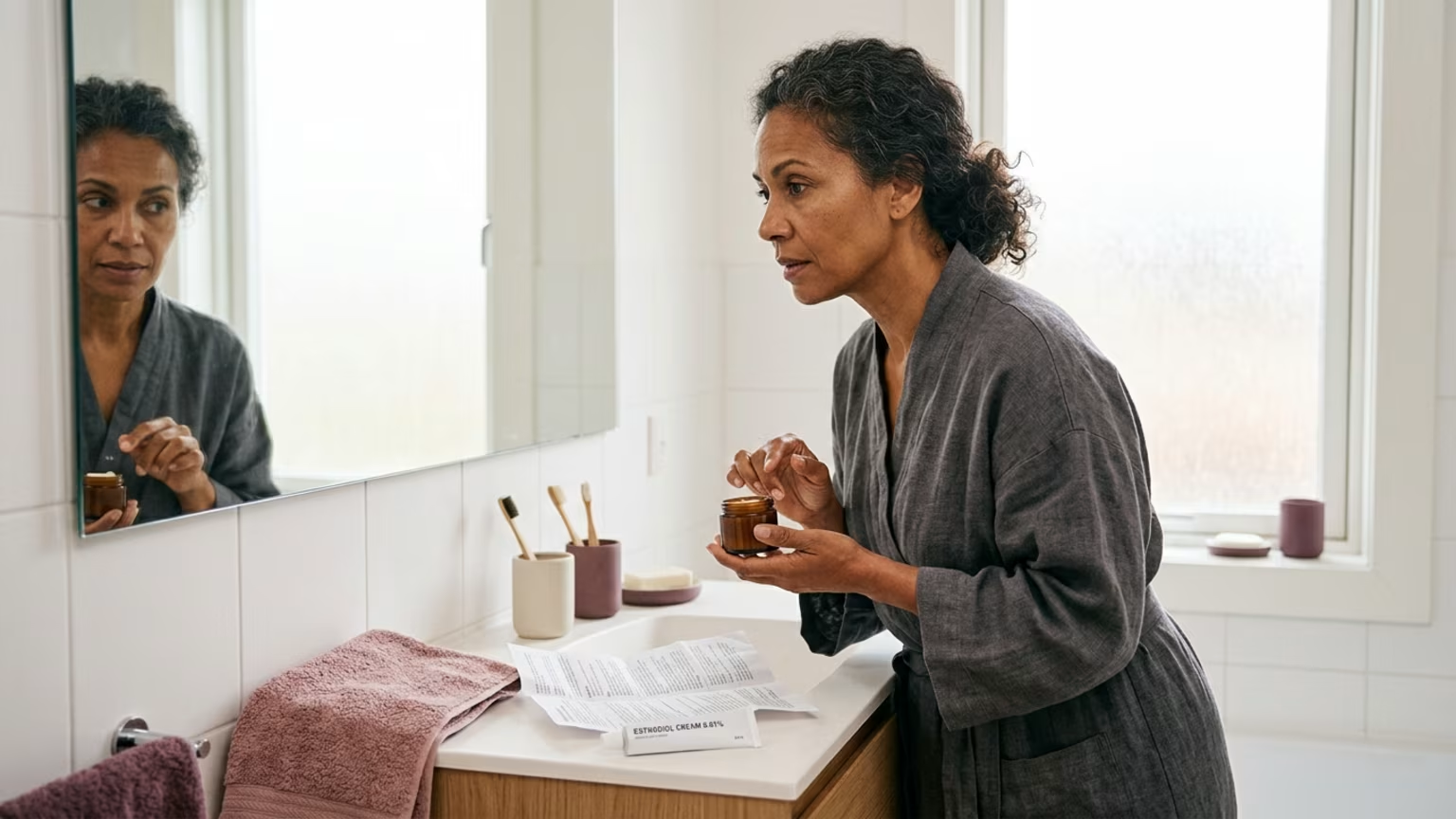

The Majorca Daily Bulletin reports that while falling estrogen affects skin collagen, evidence does not support using vaginal hormone creams for facial aging.





On September 24, 2026, the Majorca Daily Bulletin published the fifth installment of a health series by Amanda Butler detailing how menopausal hormone therapy interacts with the body. The report addressed bone health while firmly cautioning against a growing trend of applying vaginal estrogen products to facial skin.
For years, medical professionals treated menopause symptoms and cosmetic skin aging as entirely separate clinical conversations. Gynecologists prescribed hormone treatments strictly for their approved indications. These specific indications included severe hot flashes, night sweats, or localized tissue changes. Meanwhile, dermatologists managed changes in facial collagen and elasticity using established topical skincare lines.
The medical consensus required patients to use localized hormone treatments exactly as directed. Clinicians actively discouraged repurposing medications meant for one specific bodily route for cosmetic use on another. The boundary between medical treatment and cosmetic intervention was distinct and respected. This clear separation helped patients avoid unexpected side effects from unmeasured systemic hormone absorption.
Today, aggressive marketing and social media trends often blur these vital clinical lines. Women looking for realistic support face confusing claims about off-label hormone use. Reclaiming your confidence during perimenopause requires separating documented medical science from internet skincare trends. Understanding the strict historical guidelines provides a helpful foundation for evaluating new claims.
The desire to maintain skin resilience during midlife is entirely understandable. The Majorca Daily Bulletin article acknowledges that estrogen receptors are undeniably present in human skin. When estrogen levels fall during the menopausal transition, this hormonal shift directly affects tissue structure. The publication highlights several specific physiological changes resulting from this decline.
The recent reporting clarifies the current scientific reality regarding hormones and skin:
These findings highlight a significant gap between observed biological changes and proven treatments. Yes, declining estrogen influences the firmness and moisture of your skin. However, acknowledging that biological fact does not validate every proposed hormonal remedy. Women seeking clarity on perimenopause, menopause and hormonal change deserve honest assessments of what current science can actually support.
To fully grasp why off-label hormone trends gain traction, we must look at the underlying biology of skin. Collagen is the primary structural protein that gives human tissue its strength and firmness. During our younger years, the body produces this protein continuously to repair daily wear and tear. As we enter perimenopause, the natural decline in hormone levels alters this biological production cycle.
The Majorca Daily Bulletin highlights that falling estrogen contributes directly to reductions in this vital collagen. Without the same level of hormonal support, the skin gradually becomes thinner and more fragile. At the same time, the skin loses some of its natural ability to retain necessary moisture. This drop in hydration makes fine lines more visible and changes the overall texture of the face.
These physical shifts are entirely natural, even if they feel surprising when they first appear. Many women misinterpret these normal transitional signs as a sudden failure of their daily skincare routine. This misinterpretation often leads to a frantic search for stronger, more intensive topical solutions. Understanding the hormonal root cause can actually relieve the pressure to find a perfect cosmetic cure.
The conversation around off-label estrogen use recently prompted clear warnings from medical experts. A September 2026 article from the University of Colorado Anschutz Medical Campus addressed this exact issue. The publication specifically examined the growing internet trend of using vaginal estrogen cream for facial skincare. Their clinical assessment advises a highly cautious approach to this unverified practice.
Genevieve Hofmann is an associate professor of clinical practice in obstetrics and gynecology at the university. She recently offered a definitive clinical stance on this internet trend. She noted that "there is not enough high-quality evidence to recommend applying vaginal estrogen cream to the face for wrinkles or other signs of skin aging." This expert guidance reinforces the necessity of relying on proven dermatological therapies.
The Anschutz article makes a critical distinction for women evaluating their options. It notes that evidence supporting vaginal estrogen for vaginal symptoms does not establish its safety for the face. Furthermore, data regarding systemic estrogen therapy cannot be used to justify off-label facial applications. Medical treatments are rigorously tested for specific administration routes for very specific safety reasons.
Repurposing a prescription medication carries physiological risks that extend beyond simple skin irritation. The skin on your face differs significantly in thickness and permeability from vaginal tissue. Medical researchers carefully calculate medication dosages based on how specific tissues absorb compounds into the bloodstream. When a patient alters the application site, they completely bypass these critical safety calculations.
According to the Anschutz Medical Campus article, researchers simply do not know how much estrogen is absorbed through facial skin. When women apply vaginal estrogen products to their faces, they risk unmeasured systemic hormone exposure. The publication stresses that the long-term risks of this specific practice remain completely unknown. This uncertainty should prompt careful consideration before altering any prescribed health routine.
Treating a medication as a casual cosmetic product undermines the fundamental principles of medication safety. Women managing their health during midlife need reliable data rather than experimental risks. Prioritizing proven safety profiles is a sensible approach to long-term wellness. Navigating skin, hair and aesthetic aging successfully means choosing treatments with documented evidence behind them.
While medical experts strongly discourage using vaginal estrogen creams on the face, these medications serve a vital primary function. For many women navigating the years after menopause, localized tissue dryness creates significant physical discomfort. This dryness can interfere with daily movement, exercise, and overall quality of life. Vaginal estrogen was developed specifically to address these exact localized physiological symptoms safely and effectively.
When used correctly for its approved indication, this treatment can drastically improve daily comfort. It also plays a crucial role in maintaining healthy relationships and personal connection. Women experiencing painful intercourse often find that targeted localized hormone therapy provides necessary relief. Supporting sexual wellbeing and intimate confidence is a legitimate and important aspect of midlife healthcare.
The cultural conversation surrounding female aging remains deeply flawed and commercially driven. Women in their forties, fifties, and sixties are constantly bombarded with messaging that treats aging as a disease. When every advertisement promises a dramatic reversal of time, unverified off-label trends begin to look appealing. This pressure creates a vulnerability that viral internet trends readily exploit.
Midlife women are often told that they must fight their changing bodies at every possible turn. This exhausting narrative ignores the reality that changing skin is a normal biological process. Reclaiming your peace of mind requires stepping away from this relentless cosmetic anxiety. You can care for your skin and value your appearance without resorting to untested hormonal experiments.
Building a sustainable routine for your skin requires patience and realistic expectations. The physical changes accompanying menopause unfold gradually over several years. Attempting to reverse these shifts overnight with unproven off-label treatments often leads to frustration. Instead, focusing on gentle and consistent care provides a much more stable foundation for your appearance.
Just as maintaining strength, body composition and metabolism requires a steady lifestyle approach, supporting your skin relies on reliable daily habits. The Majorca Daily Bulletin article advises against applying vaginal cream to the face without appropriate clinical guidance. If you are considering hormone treatment for menopausal symptoms, you should discuss appropriate products with a qualified clinician. A medical professional can help you navigate individual risks and select the correct administrative route.
Many midlife women feel immense pressure to fix every visible sign of aging immediately. This artificial urgency drives the popularity of questionable internet remedies and unverified skincare techniques. By resisting this pressure, you can make clear and objective decisions about your personal care. Building true mental fitness, confidence and reinvention means accepting your current stage of life with grace.
When evaluating any new health claim, the quality of the underlying research matters immensely. The medical community relies on long-term, controlled clinical trials to determine if a treatment is truly safe. As the Majorca Daily Bulletin notes, current research on topical facial estrogens is extremely limited. The available studies are small, their duration is short, and their final results are noticeably inconsistent.
A single study showing a slight improvement in skin thickness does not equal a medical endorsement. True clinical consensus requires multiple independent researchers replicating those positive results over several years. Until that rigorous scientific process occurs, any claims about facial estrogen remain purely speculative. Midlife health decisions should always be based on solid evidence rather than preliminary speculation.
Going forward, clinicians will need to explicitly counsel midlife patients that documented benefits of localized vaginal estrogen do not translate into safe or effective facial skincare.
Evaluating off-label hormone trends for facial aging requires clear clinical facts rather than viral internet skincare hype. Refemina addresses the deep confusion about which midlife changes are hormonal and which have multiple causes, helping you make safe, grounded choices about your health and appearance.

Follow Refemina for research-led insights on menopause, strength, metabolism, nutrition, skin, intimacy and confidence through midlife. New articles turn complex topics into clear, useful context.






Keep learning about the changes that shape energy, strength, confidence and wellbeing through midlife.
Explore Resources