YOUR NEXT CHAPTER
Feel informed, strong and at home in your changing body
Keep learning about the changes that shape energy, strength, confidence and wellbeing through midlife.
Explore Resources

A closer look at midlife muscle, body composition and heart health, including why strength work and cardiovascular activity belong together.


A writer’s kickboxing session at 55 offers context on cardio, resistance work and comfort, without proving changes in strength or body composition.
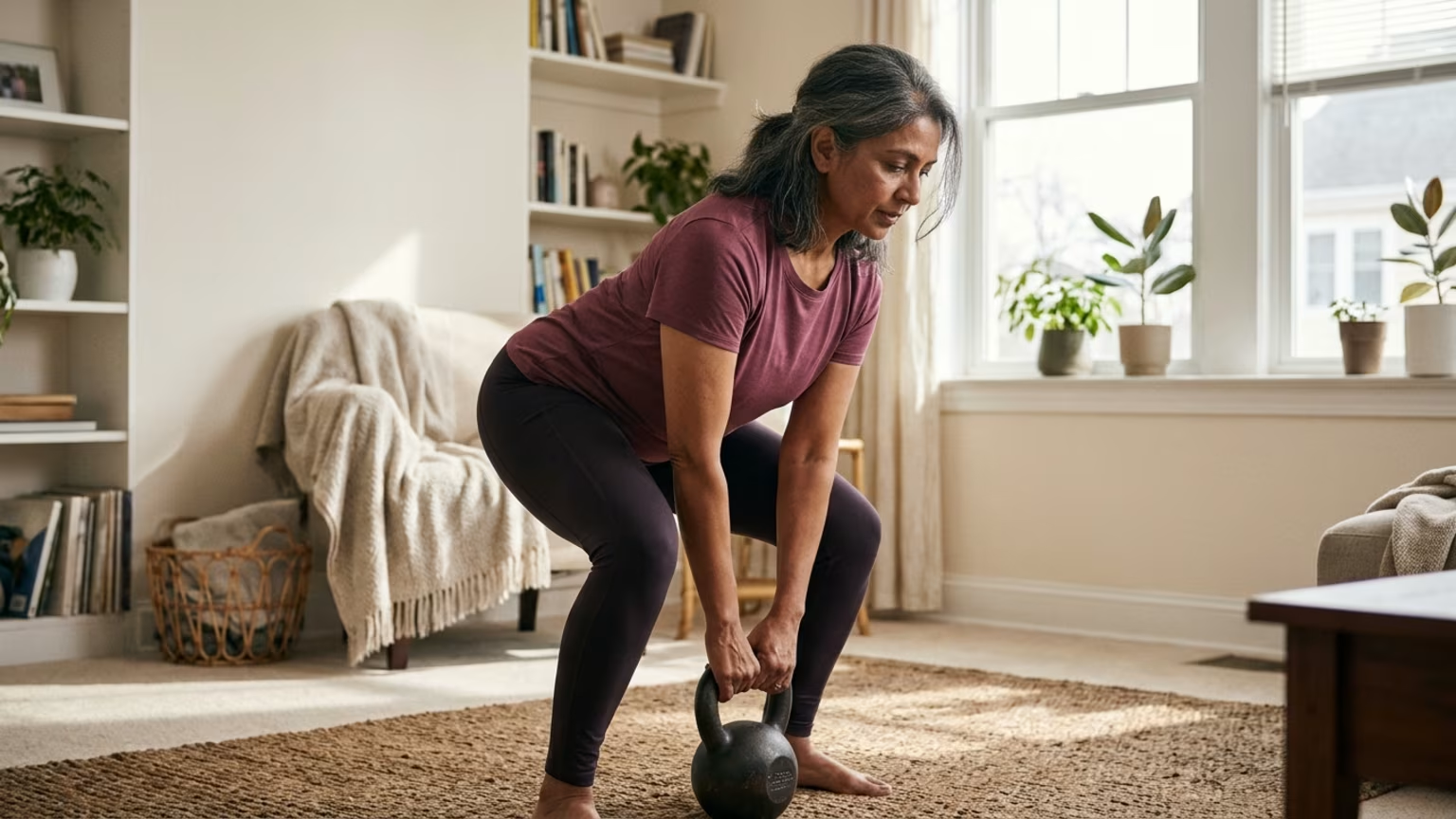
A closer look at eight menopause strength exercises, their everyday relevance and the evidence behind claims about muscle, bone and metabolic health.

A closer look at a 30-minute Pvolve workout, its reported demands and the difference between a compact format and evidence of body-composition results.
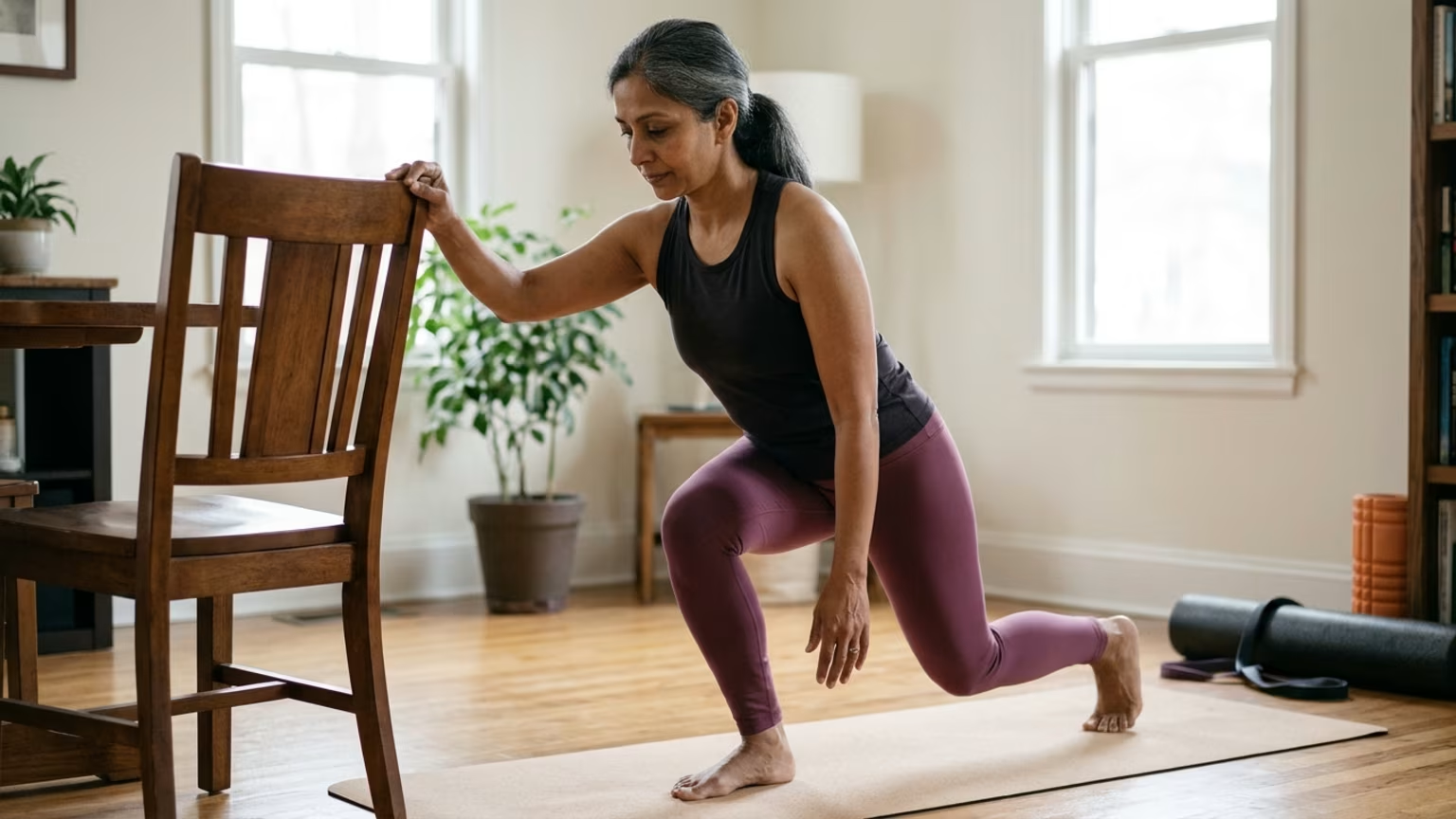
A closer look at Suzi Jalowsky’s five-move leg routine, her reported workout format and the limits of its health claims.

Understand the advice behind Women’s Health’s three-move strength framework, how it allows flexibility and what postmenopausal research supports.

A review examines fermented protein foods and gut-muscle pathways. Direct strength benefits and menopause-specific effects remain unproven.
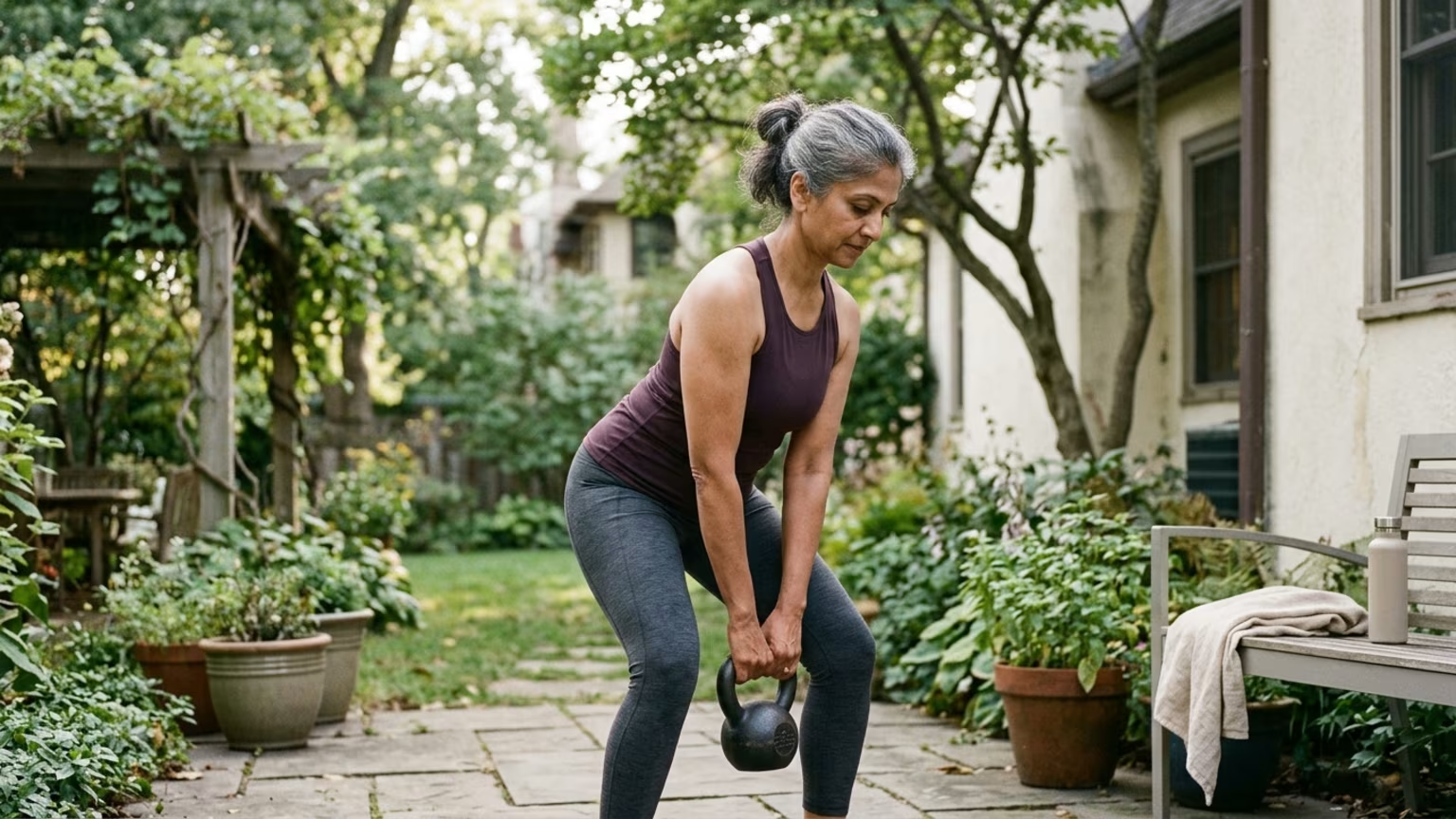
A closer look at Michelle Heaton’s six strength exercises, the resistance-training evidence and the planning details a workout profile leaves open.

New menopause activity findings add context to exercise planning. Read why symptoms, strength goals and bone health call for an individual approach.

A UCL-led review links exercise with mood and quality-of-life benefits during menopause. Here is what it studied and how to interpret the findings.

Expert advice on shorter women’s resting calorie needs, with context on menopause, individualized nutrition, walking and strength training.

Menopause heart-health guidance puts muscle, body composition and personal risk in focus, without positioning hormone therapy as prevention.

Sally Gunnell’s five-move dumbbell routine offers a home strength example, not a clinical prescription. Read the details and their midlife context.

A clinical review places strength training alongside balance, fall prevention and tailored impact exercise in a broader approach to bone health.

A closer look at Hone Health’s 1,220-patient testosterone analysis, reported symptom changes and the evidence gaps around strength and body composition.

Experts highlight progressive strength training after 60 as a practical method to support muscle mass, bone health and daily physical autonomy.

The NIH awarded SWAN new funding to study how menopause and midlife factors impact long-term cognitive, cardiovascular and structural health as women age.

A recent report links menopause-transition visceral fat accumulation to cardiometabolic risk, highlighting strength training and clinical health tracking.
Keep learning about the changes that shape energy, strength, confidence and wellbeing through midlife.
Explore Resources