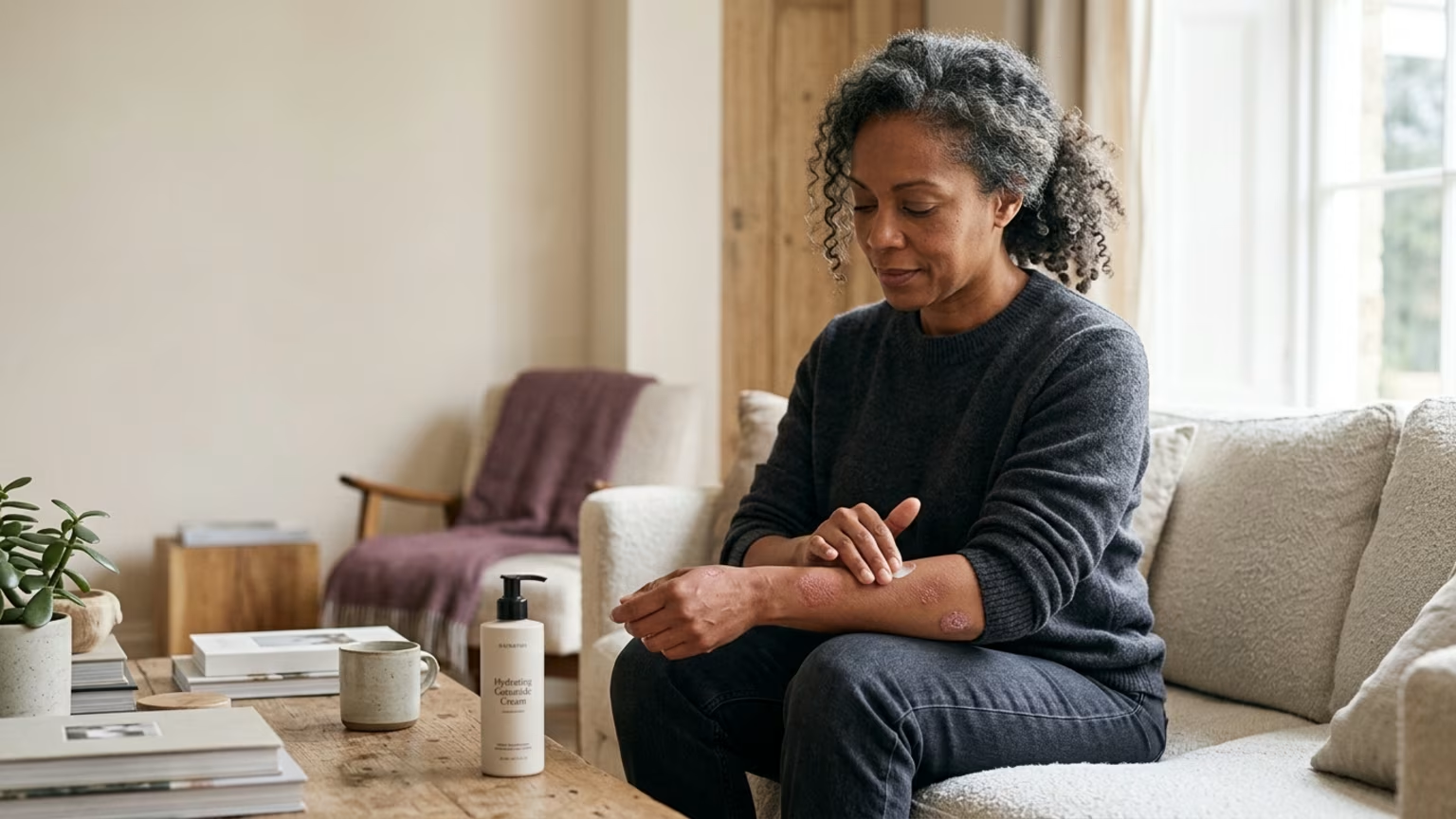

Learn why atopic dermatitis changes during menopause and how proper diagnostic assessment helps manage midlife skin health without relying on wellness hype.





On September 24, 2026, Cleveland Clinic published an article explaining that perimenopause and menopause may bring new atopic dermatitis symptoms or more frequent eczema flares in women.
For many years, the standard of care for adult women experiencing new skin irritation relied on a simplified approach. Clinicians often presumed that any chronic dryness or stubborn inflammation was just standard eczema or ordinary age-related moisture loss. The traditional medical consensus treated these midlife changes primarily as superficial complaints. Women were frequently advised to apply basic lotions and accept changing skin as an inevitable part of getting older.
This older paradigm rarely accounted for the complex biological shifts that occur during the female hormonal transition. When a rash failed to respond to initial treatments, there was often little structural guidance for diagnostic reassessment. Patients would cycle through various over-the-counter remedies without investigating underlying barrier dysfunction or overlapping environmental triggers. The prevailing attitude framed persistent adult skin issues as minor irritations rather than complex conditions requiring tailored diagnostic attention.
Women navigating perimenopause and the years beyond often find that perimenopause and menopause resources historically focused solely on systemic symptoms like hot flushes. Dermatological shifts were frequently excluded from serious clinical discussions about midlife health. This omission left many individuals confused about which skin changes were hormonal and which had multiple other causes. The medical community is now recognizing that surface-level changes can profoundly affect a woman's quality of life.
Health content and commercial marketing historically filled this clinical gap with aggressive anti-aging pressure. Women navigating midlife were targeted with an endless stream of premium formulations and unproven wellness products. The focus remained entirely on erasing visible signs of aging rather than understanding the physiological changes affecting the skin barrier. This commercialized approach left many adult women without credible evidence or practical context for their physical symptoms.
The lack of nuanced diagnostic frameworks meant that many women simply lived with disruptive skin symptoms. A new or worsening rash during perimenopause was rarely evaluated as a multifaceted dermatological issue. Instead of seeking clear adult guidance, patients often felt dismissed by a standard of care that did not distinguish between benign dryness and complex inflammatory responses. This older model is now being challenged by updated clinical insights.
Recent clinical guidance highlights that adult atopic dermatitis is a dynamic condition requiring careful ongoing evaluation. These updates provide a comprehensive framework for understanding how skin function evolves over time. By shifting the focus toward objective barrier integrity, clinicians can separate established medical evidence from commercial skincare marketing. Accessing reliable skin and hair articles helps women understand these specific clinical findings and updated protocols, which include several key points:
It is very easy to attribute every midlife physical shift exclusively to changing hormones. While the hormonal transition plays a significant role in female physiology, it is rarely the only factor influencing your body. Cleveland Clinic’s identification of multiple potential contributors helps contextualize skin health within the broader reality of an adult woman's life. Stress, new medications and evolving environmental exposures all intersect to influence how your skin barrier functions day to day.
Recognizing this complexity helps prevent symptom panic when a new rash suddenly appears. Instead of assuming that falling estrogen is the sole culprit, you can look at your overall routine and environment objectively. This grounded perspective aligns with maintaining your mental fitness and confidence during a period of significant personal change. A clear-headed review of your personal-care products and daily stressors often reveals practical adjustments that can support healing.
This multifaceted view protects women from the aggressive marketing of hormone-balancing skincare products. Navigating the sheer volume of beauty industry claims requires prioritizing objective clinical data over retail packaging promises. When you understand that symptoms may stem from overlapping environmental and biological factors, you can make better decisions about your health. Relying on verified medical guidance allows you to reject unproven treatments and focus on established dermatological care.
Understanding the physiological changes of midlife allows women to approach skin health with clarity and confidence. Cleveland Clinic dermatologist G. Cheyana Ranasinghe, MD, notes that there can be many reasons symptoms change during this stage of life. Recognizing that the skin barrier behaves differently during perimenopause helps you make informed choices without falling for wellness hype. The goal is to support the skin's functional integrity while navigating complex physical shifts.
Finding practical guidance that is not based on anti-aging pressure requires a steady focus on established dermatological practices. For people already managing eczema, the American Academy of Dermatology advises moisturizing immediately after bathing and whenever the skin feels dry. Applying a moisturizer while the skin is still damp helps to lock in necessary hydration. The AAD also favors using a cream or an ointment rather than a thinner lotion for better barrier support.
Introducing new personal-care products during the hormonal transition requires patience and careful observation. The AAD suggests testing any new skincare product on a small area of skin daily for seven to ten days before broader use. This cautious approach helps you identify potential irritants before they cause a widespread flare. It is a practical step that allows you to manage age-related skin changes without symptom panic.
Consistent daily care is foundational, but it cannot override the need for proper clinical evaluation when symptoms escalate. Connecting physical changes with broader midlife wellbeing means knowing when at-home management is no longer sufficient. Treating yourself as a capable adult involves recognizing the limits of cosmetic products and understanding when a deeper dermatological assessment is warranted.
A new or worsening rash during the menopause transition is a valid reason to ask a healthcare professional for a thorough evaluation. Cleveland Clinic specifically advises seeking care when symptoms become more severe, spread to new areas, disrupt sleep or stop responding to initial treatments. Treating these changes as a legitimate part of women's health prevents unnecessary discomfort and frustration. It is critical to approach persistent inflammation as a clinical issue rather than ordinary dryness.
Preparing for a medical appointment can help streamline the diagnostic process and make sure your concerns are heard. Cleveland Clinic suggests noting when your symptoms first began and exactly where the rash appears on your body. You should also track any recent changes in your medicines, document your current skincare routine and record possible environmental or work exposures. Organizing your health history in this way facilitates a productive discussion with a clinician.
This organized approach is not a substitute for medical assessment, but it provides crucial context for your dermatologist. The recent AAD guidelines highlight the importance of considering other explanations or overlapping conditions when a presumed eczema rash is not healing. Because dryness and itch alone do not conclusively establish atopic dermatitis, accurate clinical facts are required to guide effective treatment.
Midlife is an opportunity to advocate for your physical wellbeing with mature, quiet confidence. You do not have to accept chronic discomfort as a normal part of aging or the hormonal transition. By prioritizing clear medical evidence over commercial beauty standards, you can better navigate the physical shifts in your body. Accessing tailored clinical care means that your skin health is managed effectively during perimenopause and the years beyond.
This diagnostic shift will lead clinical practice away from generalized anti-aging assumptions and toward highly individualized, symptom-driven testing for adult women facing midlife skin inflammation.
Assuming that a persistent midlife skin rash is simply an inevitable sign of aging often leaves women relying on unproven cosmetic products instead of seeking proper clinical assessment. Refemina addresses confusion about which midlife changes are hormonal and which have multiple causes, alongside questions about desire, comfort, intimacy and sexual confidence that are often ignored or sensationalised, translating credible evidence into clear adult guidance.

Follow Refemina for research-led insights on menopause, strength, metabolism, nutrition, skin, intimacy and confidence through midlife. New articles turn complex topics into clear, useful context.




Keep learning about the changes that shape energy, strength, confidence and wellbeing through midlife.
Explore Resources