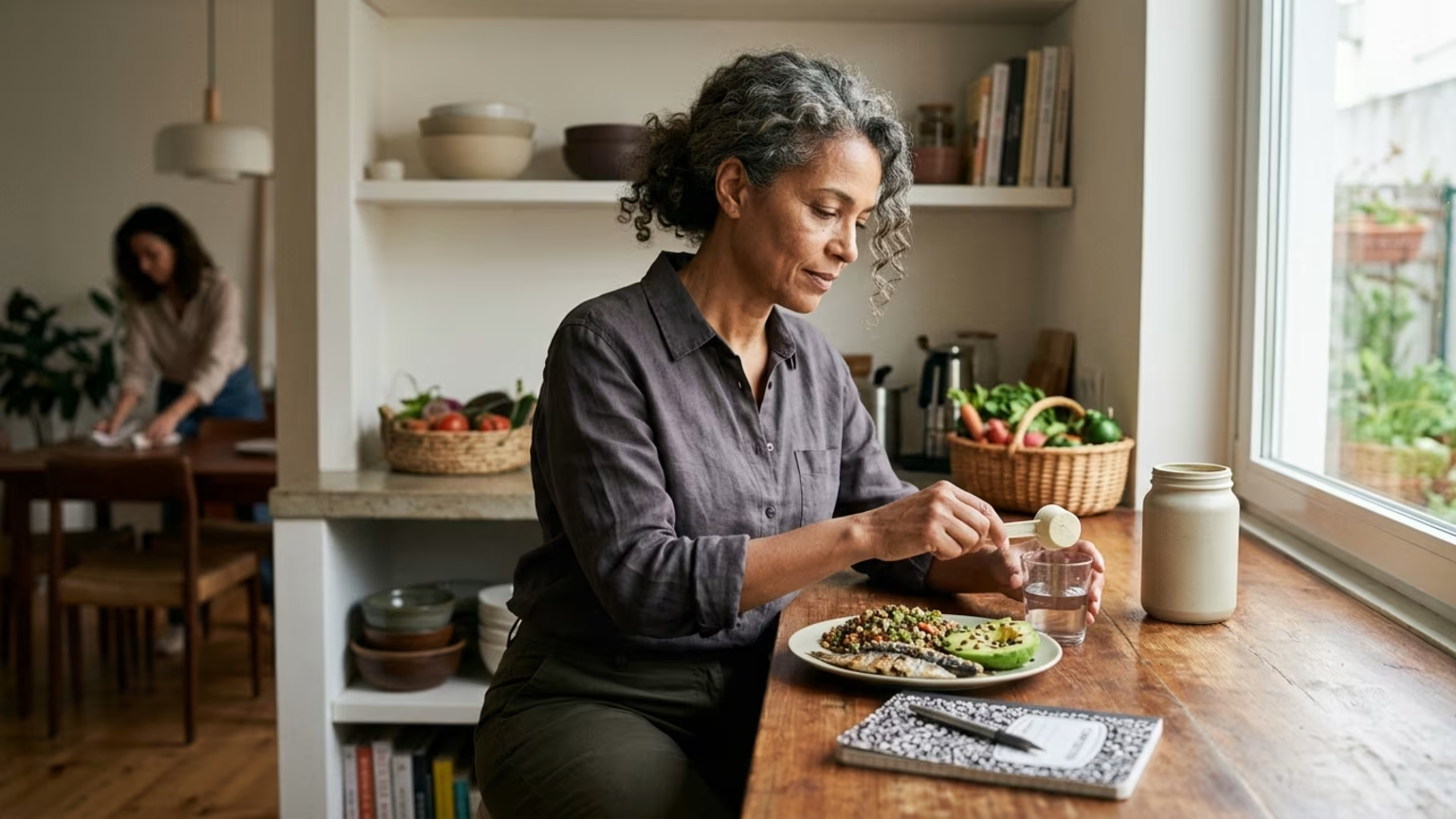

Boticaria García advises midlife women to target 1.2 to 1.6 grams of protein per kilogram of body weight, distributing intake across meals for physical support.





On September 21, 2026, El Confidencial reported on Boticaria García’s specific nutritional guidance for perimenopause and menopause, detailing her recommendations on protein distribution during an appearance on BBVA’s Aprendemos Juntos 2030.
Previous standard care for midlife women frequently prioritized broad calorie reduction and basic calcium intake for bone support. Nutritional advice rarely specified exact daily protein targets based on individual body weight. Physical activity recommendations were often vague, treating gentle walking and rigorous resistance training as interchangeable options. This approach left many women without clear metrics for maintaining physical function during major hormonal transitions.
García’s recommendation shifts the conversation from restrictive eating to measurable physical support. Aiming for 1.2 to 1.6 grams of protein per kilogram of body weight provides a concrete framework. The report notes this range could mean roughly 80 to 100 grams a day for many women, depending heavily on individual body weight. This guidance gives adult women a clear objective to focus on.
Hitting these numbers requires an understanding of what everyday food actually contains. García offered a practical illustration by noting that two eggs provide about 14 grams of protein. With each egg offering roughly 7 grams, a standard breakfast portion only covers a fraction of the daily requirement. This reality highlights the absolute necessity of deliberate daily meal planning.
The advice prioritizes actual food over highly processed commercial solutions. The report presents protein foods as obtainable from both animal and plant sources. Meat, fish, dairy products, and plant foods all contribute to the daily nutritional total. By focusing on whole foods, women can build sustainable eating habits that support their long-term physical transition.
Meeting a daily protein goal is only part of the recommended approach. García advises including a sufficient portion of protein at each meal. Cramming all required protein into a single large dinner is less effective for physical maintenance. Distributing intake evenly helps the body utilize building blocks efficiently throughout the day.
This meal-by-meal approach changes how women might structure their daily routines. Breakfast and lunch often require the most adjustment, as these meals are traditionally lower in protein content. Women reading resources on nutrition and weight management often find that structured meal planning simplifies this dietary transition. Consistent portions make the 80 to 100 gram daily target highly achievable.
Planning protein around regular daily rhythms greatly reduces unnecessary frustration. The primary goal is maintaining a steady supply of nutrients for the body. This strategy shifts the focus away from counting calories and toward meeting measurable physical needs. It respects the biological realities of midlife without medicalizing the daily diet.
The commercial wellness market often pushes protein powders as absolute requirements for midlife women. García’s advice offers a significantly more measured perspective on these retail products. The El Confidencial article describes supplements as potentially helpful in particular circumstances. They are not framed as a routine necessity for every woman navigating hormonal changes.
Supplements serve a practical, functional purpose when specific conditions apply. García notes they can be useful when someone has difficulty meeting requirements through whole food. They also have a valid place when a woman is actively participating in structured physical training programs. Outside of these specific situations, standard dietary sources remain the absolute foundation of good nutrition.
This restrained approach protects women from unnecessary spending and marketing pressure. The focus remains on capable adult maintenance rather than chasing the latest commercial trends. By treating supplements as optional tools, women can prioritize quality food sources first. This aligns with a balanced view of perimenopause, menopause and hormonal change.
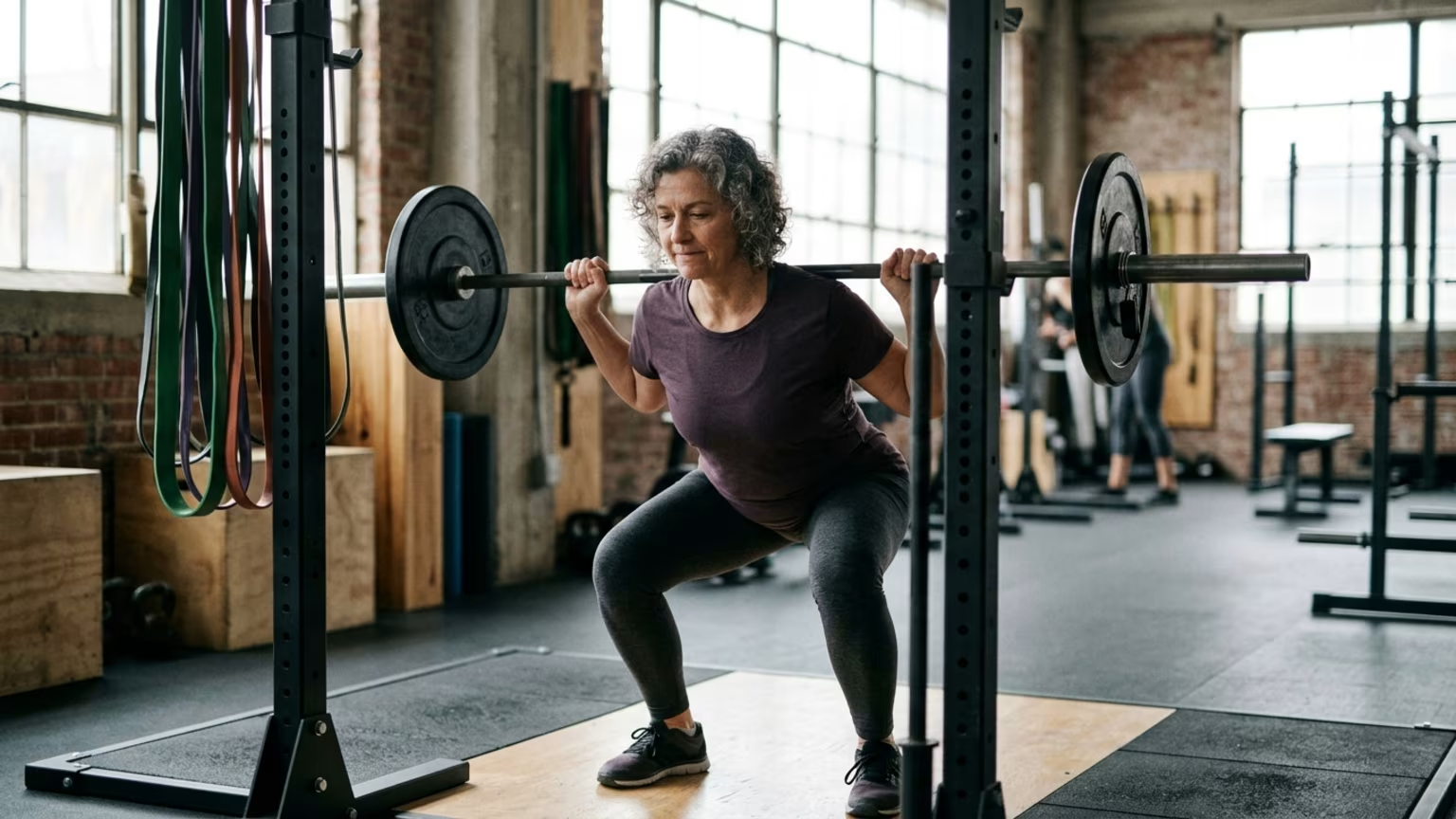
Nutritional targets achieve their absolute best results when paired with physical demands. In the interview discussed by El Confidencial, García placed protein alongside strength and impact exercise. This specific combination forms a broader approach to supporting both muscle and bone health. Food provides the building blocks, while deliberate exercise provides the necessary physical stimulus.
Established clinical organizations offer clear parameters for this required physical stimulus. The International Osteoporosis Foundation advises including both weight-bearing and resistance exercise in a weekly routine. Their public information sheet suggests 30 to 40 minutes of exercise three to four times a week. This structured volume provides a reliable baseline for women looking to build their physical resilience.
The terminology around exercise matters greatly for safe and effective implementation. The International Osteoporosis Foundation gives walking, stair climbing or jogging as valid weight-bearing examples. They list weights, resistance bands or body-weight exercises as distinct examples of resistance work. Women can select the specific modalities that best fit their current physical capacity and joint health.
The broader medical literature strongly supports this combined lifestyle approach. A 2026 osteoporosis review describes weight-bearing and resistance exercise as highly effective lifestyle measures. The clinical review notes these specific activities can improve bone mineral density and overall muscle strength. They also contribute to better physical balance and measurable fall resistance over time.
These measurable physical improvements translate directly to a much better quality of life. Maintaining muscle mass and bone density keeps women active and fully independent. The deep connection between physical capability and strength, body composition and metabolism is exceptionally well documented. Objective facts consistently point to heavy, deliberate movement as a primary defense against age-related physical decline.
While the clinical recommendations are clear, their daily application must remain completely personal. The appropriate physical activity and intensity depend heavily on individual starting points. Readers should treat numerical targets as helpful discussion points rather than individualized clinical prescriptions. This balanced perspective helps women take deliberate action without feeling overwhelmed by rigid fitness rules.
The source article frames García’s advice around maintaining physical function rather than making body weight the sole focus. Midlife physical changes often alter how the human body responds to traditional calorie restriction. Prioritizing protein intake helps protect highly valuable lean mass during these major hormonal transitions. This positive shift in priority can significantly improve a woman's daily physical confidence.
Muscle tissue plays a central and highly active role in maintaining a healthy metabolism. When women lose muscle mass, their overall daily metabolic rate often decreases noticeably. Consuming adequate protein provides the necessary structural support to maintain this metabolically active tissue. This strategy directly addresses the root physical causes of midlife body composition changes.
True physical maintenance requires a highly comprehensive view of the female body. Nutrition and exercise protocols must fit within a realistic and busy daily life. Women should avoid rigid frameworks that create unnecessary stress or highly disordered eating patterns. Flexibility and consistency always produce better long-term results than strict demands for absolute perfection.
The most effective protocols are those a woman can confidently maintain for decades. The 80 to 100 gram protein estimate is a broad guide, not a rigid threshold that triggers immediate physical failure if missed. Understanding these target numbers as flexible goals helps women build resilient daily routines. This practical mindset aligns perfectly with the goal of long-term physical independence.
Transitioning to a higher daily protein intake often requires a brief period of measurement. Many adult women completely underestimate how much protein they actually consume on a daily basis. Weighing or tracking food for a few days can rapidly recalibrate portion awareness. Once familiar with proper portion sizes, rigid daily tracking becomes completely unnecessary for most women.
Modifying the very first meal of the day often yields the greatest immediate benefit. Traditional morning meals heavily favor simple carbohydrates over meaningful protein sources. Adding Greek yogurt, cottage cheese or extra eggs can quickly address this daily dietary deficit. A strong nutritional start sets a highly positive physical trajectory for the rest of the day.
Between-meal eating presents another excellent opportunity to support broader physical goals. Reaching for protein-rich options instead of highly processed snacks helps stabilize daily energy levels. Small additions to the daily routine compound significantly over weeks and months of consistent effort. These minor adjustments form the actual mechanics of long-term physical maintenance and midlife health.
García’s advice reflects a growing medical recognition of midlife women as capable adults. Her guidance moves far beyond mere symptom management and properly addresses long-term functional health. This sensible approach completely avoids anti-aging pressure and focuses on tangible physical strength. Women are actively encouraged to build resilience rather than fighting completely normal biological transitions.
Understanding the strict limitations of any single dietary intervention is incredibly important. Protein and exercise support the changing body but do not stop the aging process entirely. Unrealistic physical expectations frequently lead to deep frustration and complete program abandonment. Setting clear, objective goals based on actual clinical research consistently produces better, more sustainable outcomes.
Navigating midlife requires clearly separating objective clinical facts from aggressive commercial marketing. Women benefit immensely from practical, evidence-based context regarding their changing physical bodies. Reading high-quality menopause and midlife health resources helps clarify these often confusing physical realities. A highly balanced approach intelligently integrates solid nutrition, deliberate movement and realistic self-compassion.
Connecting specific protein distribution goals with targeted resistance protocols will increasingly replace broad dietary advice in midlife clinical care.
Understanding practical protein targets for daily physical maintenance changes entirely when Refemina analyzes the available clinical research. We directly address skin and hair changes mixed with aggressive anti-aging marketing, translating credible evidence into clear adult guidance so you can prioritize your long-term health over commercial cosmetic promises.

Follow Refemina for research-led insights on menopause, strength, metabolism, nutrition, skin, intimacy and confidence through midlife. New articles turn complex topics into clear, useful context.





Keep learning about the changes that shape energy, strength, confidence and wellbeing through midlife.
Explore Resources