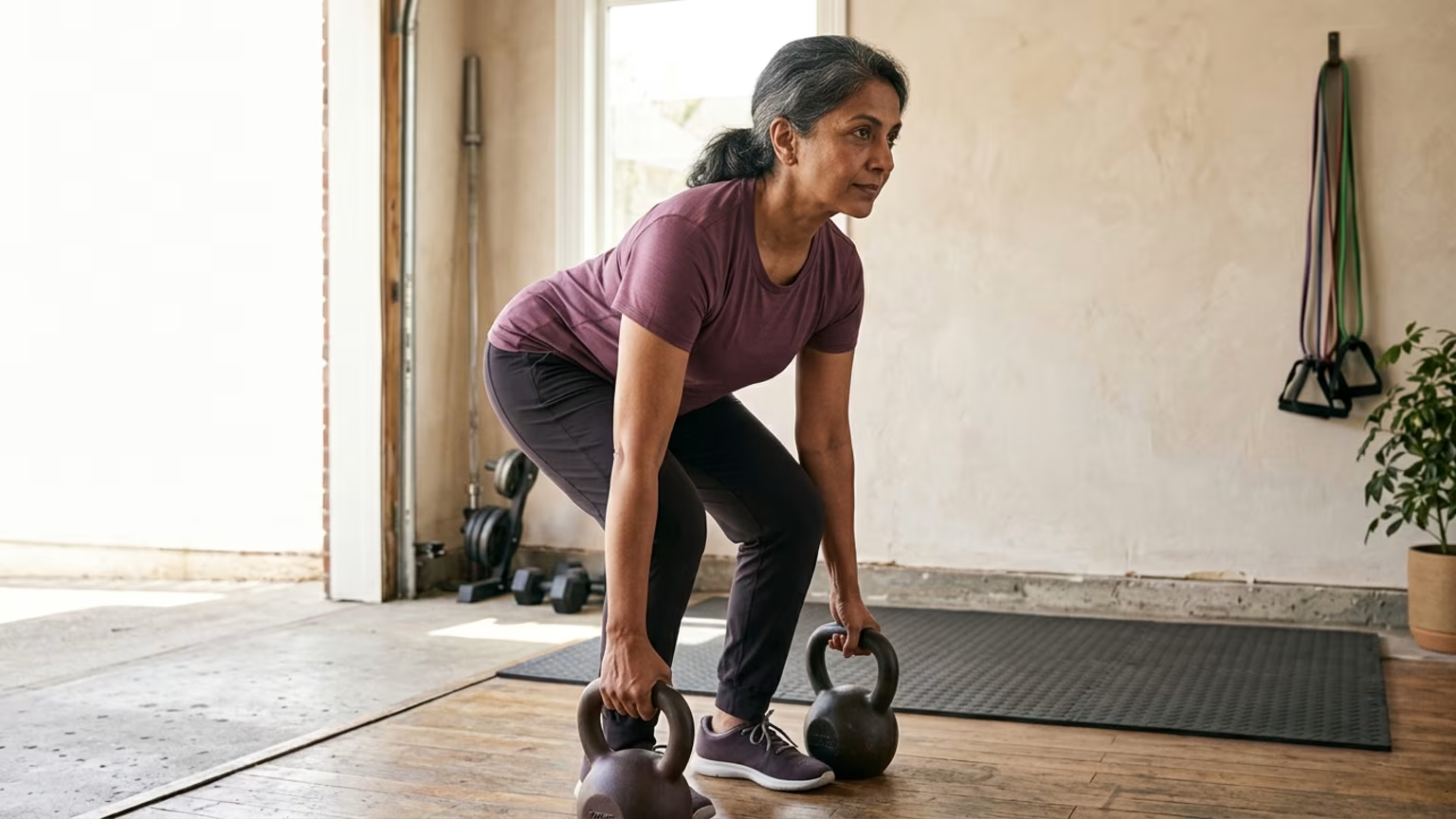

An October 2026 review shows postmenopausal women can build muscle through resistance training and adequate protein without relying on hormone therapy.





On October 1, 2026, a Gabrielle Lyon Show episode summary titled “Building Muscle in Menopause: What Studies Show” was published, detailing evidence that postmenopausal women can increase lean mass through structured resistance training without requiring hormone therapy.
Historically, the medical consensus surrounding midlife body composition often treated muscle loss as an unavoidable consequence of estrogen decline. Women were frequently told that maintaining strength after menopause required hormone replacement therapy as a primary intervention. This perspective led to widespread confusion about which physical changes were purely hormonal and which had multiple causes. It also created an environment where standard guidance leaned heavily on cardiovascular exercise.
Heavy resistance work was rarely prioritized in the conventional standard of care. For decades, fitness and medical advice for midlife women lacked a clear focus on building a sustainable physical foundation. Many clinical conversations reduced women's health to menopause symptoms alone without addressing muscle capability. This narrow view ignored the practical reality that shifting body composition requires targeted strength interventions.
Women navigating perimenopause and postmenopause were often met with conflicting information about their changing bodies. They needed credible evidence and practical context, yet they frequently received restrictive diets or superficial advice. The old paradigm often left women feeling medicalized rather than recognized as capable adults. Changes in strength, metabolism, and weight were frequently framed as aesthetic problems to be fixed.
This approach failed to connect physiology with strength, appearance, and the wider experience of midlife. It assumed that a single hormonal explanation could address complex physical shifts. Many women struggled to find evidence-based strategies to manage their changing energy levels and metabolic health. When women tried to maintain their capabilities, they often encountered content that treated every problem as a supplement opportunity.
The lack of distinct protocols for muscle preservation meant many women lost confidence during a period of personal change. They were rarely encouraged to build lean mass or pursue progressive physical strength. The conventional advice did not treat strength and quality of life as legitimate priorities. The assumption remained that without hormone therapy, meaningful improvements in physical capability were largely out of reach.
The October 2026 episode summary clarifies the distinction between resistance training, protein intake, and hormone therapy. It separates established evidence from early or commercially promoted claims about menopause and muscle. This synthesis connects hormonal change with practical actions that women can take to feel stronger. The summary details several specific findings and updated protocols regarding postmenopausal body composition:
The finding that hormone therapy is not required for muscle growth provides vital clarity for women in midlife. Recognizing that progressive movement builds lean mass independently helps women manage their shifting body composition with confidence. You do not need a medical prescription to start addressing changes in your physical strength. This research helps translate credible evidence into clear adult guidance without symptom panic.
The 12-week randomized trial demonstrating an eight-pound gain in skeletal muscle illustrates the potential impact of free weights. While this represents a single trial rather than a guaranteed outcome, it confirms that postmenopausal bodies remain highly responsive to physical stimulus. Women can improve their squat and deadlift strength significantly during this stage of life. Reading our resources on strength and body composition provides further context on building effective routines.
The analysis of hormone therapy alone reveals a crucial distinction for midlife women evaluating their options. The JAMA Network Open meta-analysis indicates that therapy alone offers practically no independent muscle-building effect. This finding actively pushes back against wellness hype that positions hormones as a passive solution for midlife weight management. Women navigating the years after menopause can make medical decisions based on accurate physiological realities.
However, the Frontiers in Physiology study introduces a nuanced view of combining interventions. Pairing transdermal estradiol with 12 weeks of resistance training yielded larger muscle gains that lasted for a full year. This suggests that while hormones alone will not build muscle, they might amplify the results of a dedicated lifting program. Deciding whether to pursue therapy remains a complex clinical choice, but its relationship to muscle requires active physical effort.
Implementing the episode's practical training recommendation of two to three full-body sessions weekly requires consistent effort rather than perfection. Progressive movements provide the necessary stimulus for older muscle to adapt and grow stronger over time. This targeted approach allows clinical topics to sit alongside substantial lifestyle habits without letting treatments dominate the conversation. Building strength slowly helps women feel more energetic and at home in themselves.
The protein guidelines offer a structured way to support these physical changes without relying on restrictive diets. Establishing a consensus floor of 1.0 to 1.2 g/kg/day provides a realistic starting point for daily nutrition. Aiming for the higher research intake of 1.6 g/kg/day, or consuming 30 to 50 g at key meals, supports muscle recovery. Proper fueling is a fundamental part of maintaining metabolism, and accessing reliable guidance on midlife nutrition helps refine these daily choices.
Addressing the physical changes of midlife through structured lifting often triggers positive shifts in personal identity. Women facing a loss of confidence during a period of physical transition frequently find that physical strength restores their sense of self. Feeling physically capable directly impacts how women navigate relationships, career shifts, and daily challenges. Strength training serves as a practical tool for reinvention that does not rely on anti-aging pressure.
The discipline of progressive movement also reframes how women view their changing bodies. Instead of focusing on youthful aesthetics, the goal becomes building a resilient system that supports long-term independence. This shift in perspective aligns with treating women as capable adults who can manage their wellbeing through evidence-based actions. Relying on concrete data helps dispel the confusion surrounding perimenopause and postmenopause.
The recommended protein intake does more than simply facilitate muscle repair after a heavy lifting session. Sufficient dietary protein acts as a foundational element for maintaining skin integrity and supporting hair health during hormonal transitions. When women experience shifting biology, aggressive marketing often pushes superficial serums rather than focusing on fundamental nutritional needs. A robust diet supports multiple physiological systems simultaneously without requiring expensive commercial products.
Meeting the consensus protein floor of 1.0 to 1.2 g/kg/day helps stabilize energy levels throughout the day. This sustained energy is critical for maintaining the motivation required to complete two to three weekly full-body training sessions. Combining adequate fueling with consistent physical exertion creates a compounding effect on a woman's overall vitality. Accessing clear information regarding hormonal changes helps separate necessary nutrition from restrictive fads.
The finding from the JAMA Network Open meta-analysis highlights the limitations of relying solely on hormonal adjustments for physical transformation. A pooled difference of just 0.06 kg in lean body mass translates to a negligible change in actual physical capability. This data reinforces the biological reality that muscle tissue requires mechanical tension to adapt and grow. Women cannot simply medicate their way to a stronger physical foundation.
Many clinical conversations overemphasize the role of systemic hormones while neglecting the basic physics of human movement. Shifting the focus back to heavy free weights empowers women to take direct control over their physical outcomes. Rather than waiting for a medical intervention to solve shifting body composition, women can initiate progress immediately. This evidence-based clarity helps eliminate the fear that menopause represents a permanent decline in physical vitality.
The episode summary highlights two to three weekly full-body sessions using progressive movements as a realistic framework. This frequency avoids the exhaustion and burnout often associated with extreme fitness protocols aimed at midlife women. Building muscle does not require living in a gym or adhering to a punishing daily schedule. It requires a focused, structured approach that respects the recovery needs of an older physical system.
Integrating these sessions into a busy life demands practical planning rather than boundless motivation. Women can focus on fundamental movements like squats and deadlifts to make the most of their training time. This targeted method directs every session to provide the necessary stimulus without wasting energy on ineffective exercises. Prioritizing recovery between these sessions is just as critical as the lifting itself for long-term progress.
Navigating the conflicting information surrounding menopause often creates a significant mental burden for women in midlife. Clarifying that hormone therapy is a separate clinical decision from muscle preservation removes a layer of unnecessary anxiety. Women can address their changing physical capability without feeling pressured to resolve every hormonal question simultaneously. This separation of concerns allows for a more measured and clear-headed approach to personal wellbeing.
Reducing health confusion directly supports better mental fitness and emotional resilience during a transitional decade. When women are informed about what credible evidence actually shows, they can reject sensationalized claims and supplement marketing. This critical thinking translates into greater confidence across all areas of a woman's daily life. Understanding these clinical realities allows women to make informed decisions about personal reinvention.
This evidence suggests that future clinical practice will increasingly prioritize progressive resistance training and adequate protein as the primary interventions for postmenopausal muscle preservation, treating hormone therapy as a distinct medical decision rather than a prerequisite for physical strength.
Achieving a measurable increase in lean muscle mass after menopause is a vital outcome that Refemina supports by translating complex physiological research into actionable steps. When navigating skin and hair changes mixed with aggressive anti-aging marketing, Refemina connects your shifting biology with practical nutrition and strength guidance to restore your overall physical confidence.

Follow Refemina for research-led insights on menopause, strength, metabolism, nutrition, skin, intimacy and confidence through midlife. New articles turn complex topics into clear, useful context.





Keep learning about the changes that shape energy, strength, confidence and wellbeing through midlife.
Explore Resources