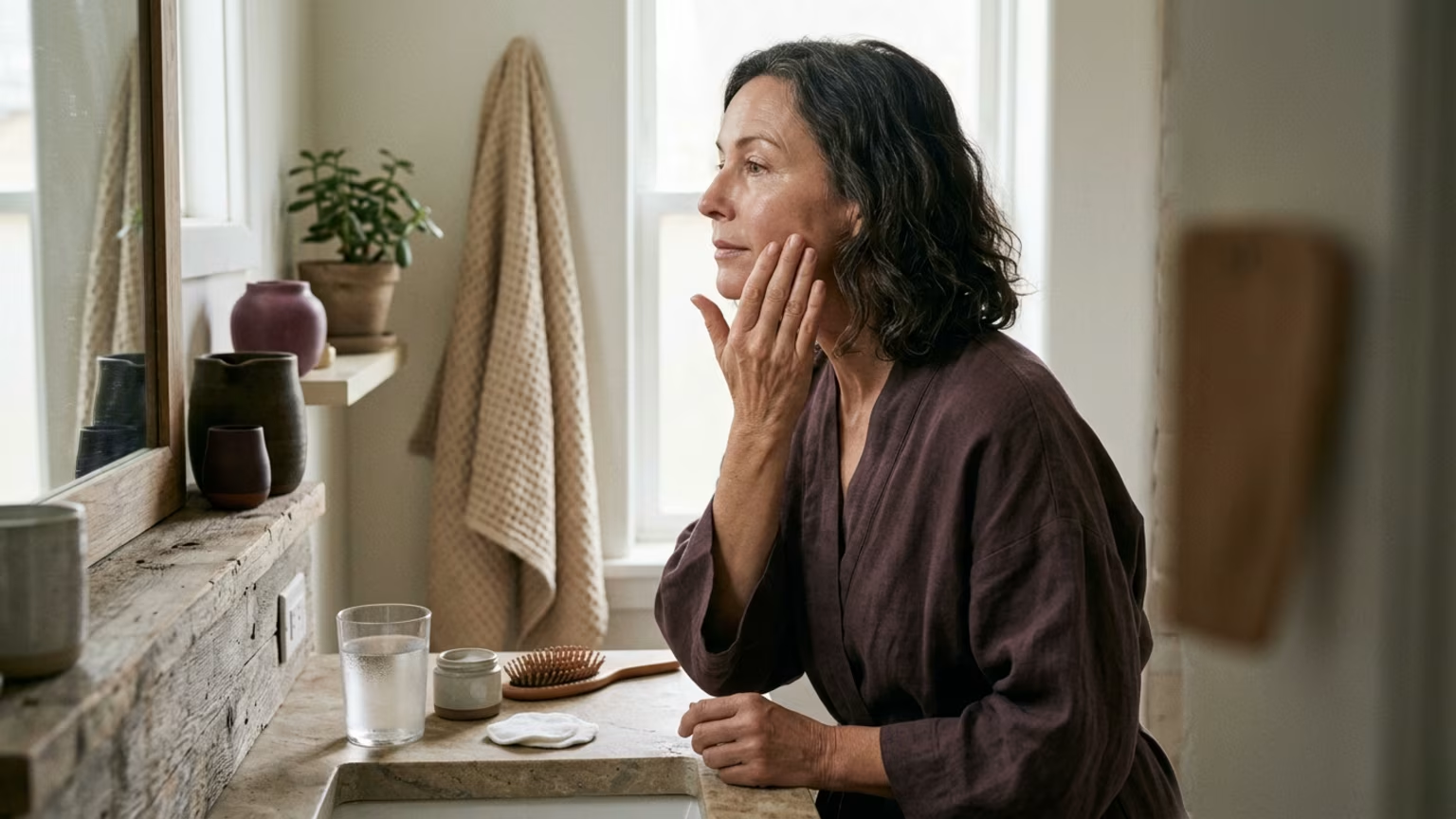

Learn how declining estrogen drives transepidermal water loss and read expert-backed hydration routines to manage perimenopausal dry skin safely.





On October 5, 2026, Allure published dermatological guidance explaining how declining estrogen during perimenopause drives transepidermal water loss and skin dryness. The publication detailed specific ingredient recommendations and routine updates from working clinical experts.
The previous standard of care for midlife skin changes often treated dryness as a simple cosmetic flaw requiring harsh exfoliation. Women were routinely directed toward complex anti-aging regimens that prioritized cellular turnover over fundamental barrier health. This conventional approach frequently minimized the specific biological mechanisms of moisture loss during perimenopause. Practitioners and consumer brands alike offered generic hydration advice that failed to address the root causes of midlife skin changes.
Many older protocols ignored the delicate nature of the skin barrier during hormonal transitions. Patients were frequently encouraged to use potent retinoids and scrubbing agents to combat dullness. This strategy often worsened the irritation and thinness associated with estrogen decline. Medical guidance is now shifting to recognize the necessity of barrier protection over aggressive resurfacing.
Refemina addresses the skin and hair changes mixed with aggressive anti-aging marketing by focusing on foundational physiological support. Connecting hormonal change with appearance and physical comfort requires separating established evidence from commercial pressure. The updated clinical consensus prioritizes protective care rather than viewing the changing face as a problem to be solved. Women are now encouraged to adjust their daily habits based on biological reality.
The beauty industry has historically framed menopause as a signal to purchase stronger chemical peels and stripping toners. This narrative suggested that women simply needed to scrub harder to reveal youthful skin. In reality, the skin becomes significantly more vulnerable as hormone levels fluctuate. The older paradigm essentially punished the skin for undergoing a completely normal biological transition.
Recent dermatological insights clarify exactly how perimenopause alters the physical structure of the skin. Medical professionals are shifting away from generic advice to offer targeted strategies for midlife moisture retention. This updated guidance connects internal hormonal shifts with tangible external symptoms. The current recommendations prioritize gentle handling and strategic ingredient layering.
The research outlines several vital discoveries regarding perimenopausal skin function and moisture retention:
Understanding the mechanics of skin hydration begins with recognizing how water escapes the body. Transepidermal water loss is the natural process where water passes from the deeper dermal layers through the epidermis and evaporates into the air. When the protective barrier is functioning optimally, this moisture loss is kept to a healthy minimum. However, a compromised barrier allows water to evaporate rapidly.
Declining estrogen levels directly influence the structural integrity of this outer defense system. As the skin loses its natural water-holding capacity, the barrier becomes porous and inefficient. This physiological reality explains why previously reliable moisturizers may suddenly feel inadequate during perimenopause. The skin is not just temporarily dry; it is actively losing its ability to trap and hold water over time.
Addressing this structural change requires a fundamental shift in how women approach their daily routines. It is no longer enough to simply apply a generic lotion and hope for the best. The focus must turn to rebuilding the barrier and reinforcing the skin's natural defenses. This requires a specific combination of ingredients designed to pull water in and lock it down securely.
Refemina helps women navigate these changes by treating them as capable adults rather than beauty problems. Reading practical articles on perimenopause and menopause provides the context necessary to make smart choices. Women can regain control over their physical comfort when they understand the biology behind the symptoms.
The specific ingredients recommended by dermatologists serve distinct functions in repairing the skin barrier. Hyaluronic acid and glycerin are highly effective humectants that bind water to the surface layers. These molecules act like microscopic sponges to plump the skin and provide immediate relief from tightness. Clinical sources highlight their utility because they address the core issue of water depletion directly.
Ceramides and squalane function as crucial building blocks for a compromised outer layer. Ceramides are lipids that naturally occur in the skin, helping to hold cells together and form a protective seal. Squalane mimics the natural oils produced by the body to soften the surface and prevent further evaporation. Incorporating these ingredients helps to reconstruct the physical shield that declining estrogen weakens.
Peptides and niacinamide offer additional support for long-term skin health. Peptides are short chains of amino acids that assist in maintaining structural proteins like collagen. Niacinamide supports overall barrier function while helping to calm the visible irritation that often accompanies severe dryness. Together, these components create a comprehensive strategy for managing perimenopausal skin changes.
Finding reliable information requires looking past wellness fads to understand actual physiology. Reviewing credible skin and aesthetic aging resources helps individuals build a sustainable routine for their changing bodies. This measured strategy protects the barrier and supports long-term confidence without the pressure of anti-aging marketing.
Replacing harsh soaps with mild cleansers is the most immediate step a person can take. Traditional soaps strip natural oils from an already fragile barrier. A mild cleanser respects the changing chemistry of the skin surface and preserves necessary lipids. This single adjustment often reduces the tight sensation that many women experience immediately after washing.
The application of active ingredients must be handled with deliberate care and patience. Retinoids remain highly valued for their clinical results, but they demand a thoroughly hydrated canvas. Building a strong moisturizing routine is non-negotiable before introducing potentially irritating compounds to the face. This measured pace prevents the skin from becoming overwhelmed, inflamed, and severely dry.
Understanding the difference between humectants and occlusives transforms how topical products are used. A humectant pulls water into the epidermal layers, providing necessary hydration. However, that moisture will simply evaporate if it is not properly sealed into the skin. Applying a richer occlusive over a humectant helps keep the hydration exactly where it is needed.
Midlife health content frequently treats every cosmetic change as an urgent problem to fix. Refemina approaches these shifts by offering clear adult guidance that normalizes the biological transition. Knowing that a midlife health blog provides research-led context allows women to navigate their options calmly. True confidence comes from understanding the body rather than constantly fighting against its natural evolution.
Self-care routines are highly effective for managing standard perimenopausal dryness and minor irritation. Regular moisturizing with glycerin or hyaluronic acid often resolves daily discomfort quite well. However, there are clear instances where topical hydration is simply not enough to correct the problem. Persistent symptoms warrant professional evaluation by a qualified clinician to rule out other issues.
A dermatologist can determine if ongoing dryness is actually a separate dermatological condition rather than standard hormonal changes. They can provide individualized guidance on whether mechanical treatments are genuinely safe for your specific skin type. This clinical triage prevents women from damaging their skin with inappropriate at-home interventions.
It is vital to remember that not every physical change has a strictly hormonal cause. Assuming that menopause is the sole culprit for new symptoms can delay proper medical diagnosis. A qualified clinician can evaluate the full picture to recommend the safest and most effective path forward. This practical approach protects overall health while responsibly addressing cosmetic concerns.
Going forward, clinical practice will likely prioritize gentle cleansing and strategic barrier repair over aggressive anti-aging treatments for women navigating the menopause transition.
Assuming that every episode of perimenopausal skin dryness requires aggressive exfoliation ignores the biological reality of a changing skin barrier. Refemina tackles skin and hair changes mixed with aggressive anti-aging marketing and the difficulty finding practical nutrition guidance that is not based on restriction or fads, helping you build a sustainable physical foundation. Explore Resources

Follow Refemina for research-led insights on menopause, strength, metabolism, nutrition, skin, intimacy and confidence through midlife. New articles turn complex topics into clear, useful context.





Keep learning about the changes that shape energy, strength, confidence and wellbeing through midlife.
Explore Resources