
Current data reveals the intense physical and financial strain sandwich-generation caregivers face, and why midlife clinical screening often misses the mark.





In October 2026, the American Psychological Association published Volume 57, Number 7 of the Monitor on Psychology. The issue lists a formal “Resolution on Family Caregivers” alongside features on fraud, medical gaslighting, workaholism and Black girlhood. While this specific issue does not feature a dedicated report on the emotional and physical toll of caregiving, the resolution itself signals a growing professional recognition of family support structures.
For decades, the medical consensus around midlife women’s health treated physical strain, energy shifts and mood changes almost exclusively as physiological symptoms of the hormonal transition. Clinicians routinely evaluated women in their forties and fifties through a strict reproductive lens. Fatigue, disrupted sleep and reduced social capacity were typically categorized as signs of perimenopause or menopause. The standard of care rarely included screening for complex social burdens, caregiving duties or unpaid labor at home.
Under that older framework, a woman experiencing high physical strain would often receive advice on symptom management or hormone treatments. The clinical approach largely ignored the practical reality that many women were simultaneously raising children and managing complex medical care for older adults. Medical appointments focused heavily on identifying biological causes for distress. They rarely addressed whether a patient was acting as an uncredited home health nurse.
This isolated view of female midlife health meant that systemic pressures were often misdiagnosed as individual hormonal problems. When women reported difficulty managing their daily routines, the historical response was to prescribe rest or wellness routines without addressing the structural impossibility of taking time off. The assumption was that any midlife health decline was inherently linked to aging ovaries rather than an unsustainable workload. Consequently, women were left trying to solve logistical and physical exhaustion with medical treatments that could not address the root cause.
The older medical paradigm essentially rendered the massive physical effort of family caregiving invisible in the clinical setting. This historical blind spot forced many women to navigate their shifting health entirely on their own. They were told that their fatigue was simply a natural part of growing older. In reality, they were managing an unprecedented volume of unpaid nursing work without any institutional support. The lack of clinical validation left an entire generation of women feeling as though they were failing at basic self-care.
Recent data provides a much clearer picture of the specific pressures midlife women face. A report from AARP and the National Alliance for Caregiving highlights the immense physical and financial load carried by the sandwich generation. This research shifts the focus from generalized stress to measurable daily demands.
Key findings from the available data include:
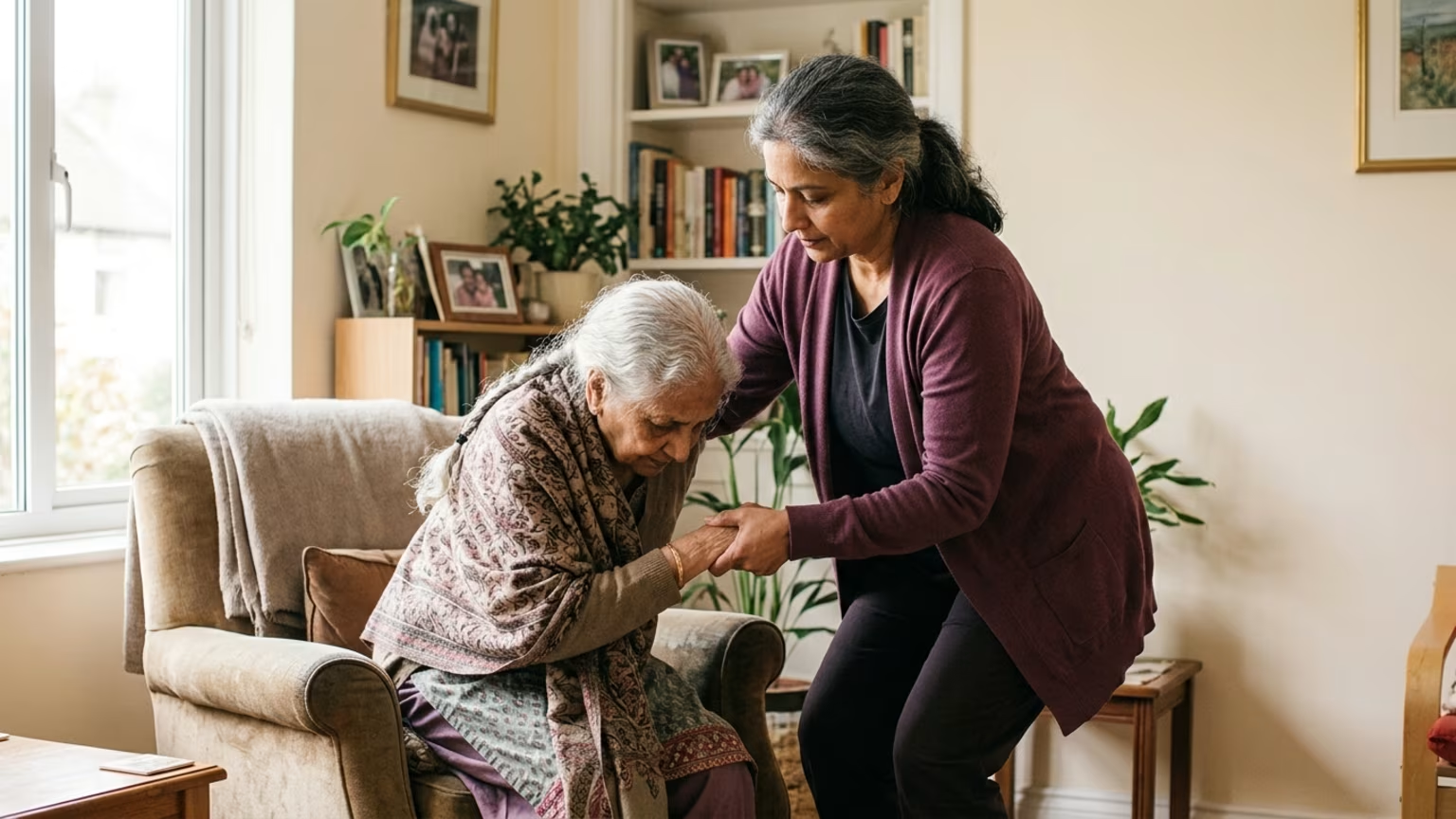
The reported physical strain does not come simply from the total number of hours spent caregiving. The AARP data points out that sandwich-generation caregivers fit complex, high-intensity tasks into their existing schedules. Handling medical or nursing tasks at home requires a level of focus and physical effort that fundamentally changes the nature of the work. It is not just about keeping someone company, but actively managing their physical safety and medical stability.
Taking on tasks usually handled by health professionals places immediate pressure on a woman's physical resilience. This level of exertion can severely limit the time available for maintaining personal strength and mobility. When a significant portion of the week is dedicated to moving another adult or managing medical equipment, personal fitness routines often collapse. This shift in daily activity patterns can rapidly affect body composition and overall energy reserves.
The emotional weight of performing unguided medical care is just as significant as the physical lifting. Navigating complex medication schedules, wound care or mobility assistance without formal training introduces constant anxiety. Women often find themselves researching medical protocols late at night to verify they are not making a critical error. This continuous state of alertness disrupts sleep patterns and depletes cognitive resources needed for their own professional or family lives.
A separate survey commissioned by Visiting Angels sheds further light on how these responsibilities impact personal time. In that survey, women were 63 percent of the caregiver respondents. Thirty-six percent reported cutting back on self-care time. Twenty-nine percent reported a reduction in their social life, and 27 percent noted effects on their mental health or wellness.
The Visiting Angels survey provides a window into the daily sacrifices made by family caregivers. Finding time for a basic walk or a brief rest often feels impossible when managing complex home health routines. The survey highlights a troubling pattern where basic personal needs are consistently treated as optional. Over months and years, this continuous deprioritization of personal health accelerates physical decline.
These figures illustrate a clear reduction in the activities that sustain long-term wellbeing. Social connection and dedicated self-care are critical components for navigating midlife successfully. When caregiving duties force a woman to withdraw from her social circles, the resulting isolation can compound existing stress. The loss of personal time makes it incredibly difficult to process the emotional toll of watching a loved one's health decline.
The reduction in self-care time often means that preventive health measures are postponed or abandoned entirely. Women might skip their own medical appointments, delay screenings or stop engaging in activities that support their mental health. AARP describes caregiving as a potential source of mental-health strain and purpose, and identifies self-care and formal support as coping approaches. Protecting time for personal wellness is absolutely necessary for maintaining the stamina required for long-term caregiving.
The finding that only 16 percent of sandwich-generation caregivers are ever asked about their own needs highlights a significant clinical gap. Medical professionals frequently interact with caregivers when discussing an older patient's health. However, those interactions rarely pivot to assess how the caregiving role is affecting the person providing the support. The focus naturally remains on the older patient requiring immediate clinical attention. This omission leaves millions of women managing high-stress situations without clinical guidance for their own health.
The failure to screen for caregiver strain means that a major contributor to midlife physical decline goes entirely undocumented. When a woman reports feeling overwhelmed or physically drained, an undocumented caregiving load can lead to ineffective recommendations. A clinician might suggest adding more exercise without realizing the patient is already performing hours of physical lifting at home. Accurate screening is necessary to provide recommendations that actually fit the patient's daily reality.
When providers fail to ask about caregiving loads, they miss crucial context for evaluating a midlife woman's physical symptoms. Discussing these responsibilities with a health care provider can help clarify which physical changes are hormonal and which are environmental. A thoughtful clinician can help a patient evaluate her physical strain objectively and recommend appropriate resources. Without this context, treatments for fatigue or physical pain may be fundamentally misaligned with the patient's reality.
It remains critical to separate the impacts of caregiving from the biological realities of menopause. The cited reports do not examine menopause directly, nor do they suggest that caregiving causes hormonal changes. A midlife woman might experience joint stiffness or energy drops caused by shifting estrogen levels. She might also experience physical exhaustion from lifting a parent or losing sleep to late-night caregiving duties. Understanding the difference allows for better decisions regarding the physical realities of the hormonal transition.
The demands of caregiving extend well beyond physical strain, frequently spilling over into professional and financial stability. The AARP and National Alliance for Caregiving report that 67 percent of sandwich-generation caregivers experienced work disruption. This disruption can take many forms, from arriving late and leaving early to turning down promotions or exiting the workforce entirely. These career compromises often occur precisely during a woman's peak earning years, compounding the long-term impact on her financial independence.
The compounding effect of lost wages and increased expenses creates a uniquely stressful environment for midlife women. Many caregivers find themselves draining their personal savings to cover the gap left by reduced professional hours. This financial vulnerability often forces women to remain in high-stress employment situations they might otherwise leave. The combination of intense home nursing duties and workplace stress creates a perfect storm for physical exhaustion.
The financial strain reported by 22 percent of this group highlights the hidden costs of managing complex family care. Providing high-intensity support often requires significant out-of-pocket spending on medical supplies, transportation or home modifications. When combined with reduced working hours, the financial pressure can become a dominant source of chronic stress. Addressing these financial realities is just as important for mental fitness as managing the physical workload.
Women navigating these pressures often need to redefine their professional boundaries and expectations. Seeking out flexible work arrangements or utilizing family leave policies can provide necessary breathing room. Accessing resources focused on building mental resilience and navigating identity shifts can offer a valuable framework for managing identity shifts when career trajectories change. Building a realistic plan that acknowledges both financial strain and caregiving responsibilities is critical for maintaining stability.
Building a network of formal support is often necessary to protect a caregiver's physical health. Relying solely on individual resilience is rarely a sustainable strategy for managing high-intensity nursing tasks at home. Seeking out community resources, respite care or professional assistance can significantly reduce the daily physical burden. Establishing clear boundaries around time and energy helps preserve the capacity for personal fitness and nutritional consistency.
Setting rigid boundaries around communication and availability is often the first step toward regaining control. Family members who are not providing direct care frequently underestimate the sheer volume of daily tasks involved. Having honest conversations about what tasks can be outsourced or delegated is vital for long-term endurance. Establishing these limits protects the caregiver from assuming an impossible level of responsibility.
Taking steps to protect self-care time is not an indulgence, but a practical necessity for long-term health. Women who manage dual caregiving roles need strategic support rather than vague encouragement. Actionable plans that address both financial strain and physical fatigue are far more effective than generic wellness advice. Reading articles related to preserving muscle mass and managing metabolic health can reinforce the importance of maintaining physical reserves during demanding periods.
Maintaining a realistic view of what one person can accomplish is a crucial component of midlife wellbeing. The pressure to manage every household and medical demand flawlessly often leads to severe burnout. Women can benefit greatly from discussing their limits with family members and prioritizing their own physical longevity. Recognizing the objective difficulty of the caregiving role validates the immense effort required during this life stage.
Moving forward, integrating routine caregiver assessments into midlife medical appointments will fundamentally shift how clinicians support women’s long-term physical and mental resilience.
Navigating the complex physical and emotional demands of the sandwich generation requires clear boundaries, practical communication and realistic support strategies. Refemina addresses the loss of confidence or identity during a period of physical and personal change, helping women separate environmental caregiving stress from true hormonal shifts to rebuild their personal resilience over time.

Follow Refemina for research-led insights on menopause, strength, metabolism, nutrition, skin, intimacy and confidence through midlife. New articles turn complex topics into clear, useful context.





Keep learning about the changes that shape energy, strength, confidence and wellbeing through midlife.
Explore Resources