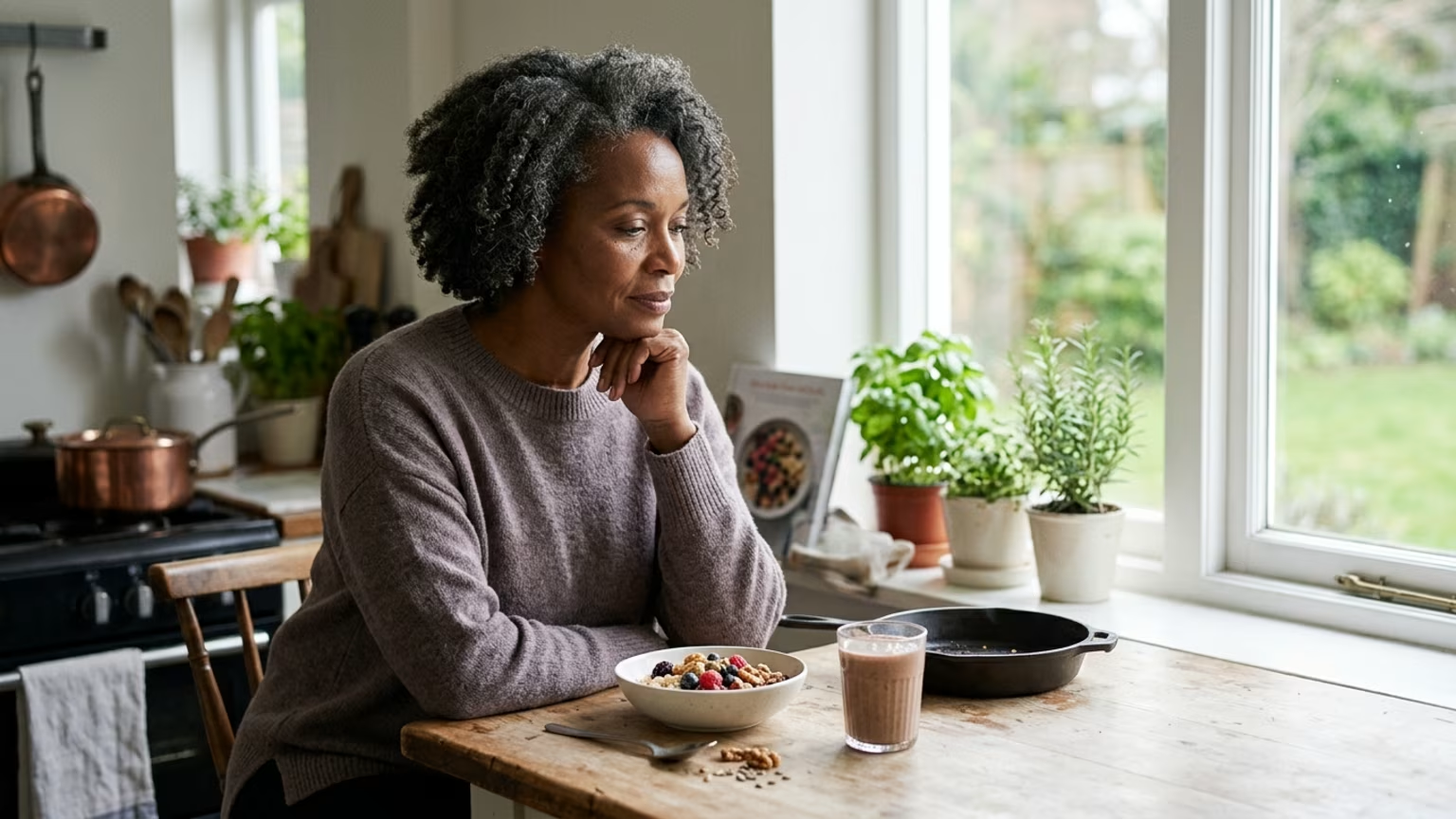

A September 2026 Everyday Health article highlights that nutrient needs remain high even when GLP-1 medications suppress appetite during menopause.





On September 25, 2026, Everyday Health published an article advising women not to take GLP-1 medications without adjusting their nutrition strategies.
The traditional medical approach to midlife weight management often treated appetite suppression as a straightforward victory. For decades, the standard of care focused heavily on reducing caloric intake to manage body composition. This older consensus frequently ignored the specific nutritional demands of the menopause transition. Clinicians rarely pointed out that eating less food makes maintaining adequate micronutrient levels significantly harder.
When women navigate menopause, they frequently notice profound shifts in their metabolism and body composition. Some women experience a natural reduction in hunger during this transition. Others take GLP-1 medications that actively cause early satiety and intense appetite suppression. Taking in smaller amounts of food creates a very practical challenge for daily living. A smaller volume of food must carry the exact same amount of nutritional value to keep the body functioning optimally.
Dietitian Maya Feller is quoted in the Everyday Health article explaining this specific physiological mismatch. She noted that a person's nutrient needs do not drop simply because her hunger diminishes. The body still requires a steady supply of vitamins, minerals and necessary macronutrients. Meeting these baseline requirements takes much more deliberate planning when a woman is simply not hungry. Building a sustainable approach to midlife nutrition requires focusing on the density of every meal.
Bone density becomes increasingly critical after menopause. The hormonal transition accelerates changes in bone architecture and structural integrity. Everyday Health frames calcium and vitamin D as working together to support this vital bone health. Building a dietary strategy around these specific nutrients helps support long-term physical resilience. The article recommends securing these nutrients directly from whole food sources.
Dairy products and fortified plant milks offer highly accessible sources of calcium. Cooked leafy greens provide another practical option for women building calcium-rich meals at home. Vitamin D appears naturally in foods like fatty fish and egg yolks. These whole foods provide a solid foundation for structural support without requiring an immediate reliance on manufactured supplements. A woman can choose the specific ingredients that fit her individual palate and daily lifestyle.
Maintaining strong bones requires consistent attention over time. The structural changes that occur during midlife do not happen overnight. Incorporating calcium and vitamin D into daily meals creates a steady defense against these gradual physiological shifts. Women can experiment with different food combinations to find meals they genuinely enjoy eating. This consistency matters far more than occasionally forcing down an unappealing meal.
Muscle loss frequently accompanies the rapid weight reduction associated with GLP-1 medications. Feller pointed out that women using these medications should pay close attention to their skeletal-muscle mass. Protecting physical strength helps women maintain their independence, mobility and confidence as they age. Feller noted that adequate protein together with weight-bearing exercise can help offset this specific muscle loss.
The Everyday Health article does not provide a universal protein target or a quantified exercise prescription. It presents protein and physical training as a helpful approach rather than an absolute guarantee against losing tissue. Women should view this broad guidance as a practical starting point for their daily routines. Adjusting daily protein intake to match individual activity levels makes the strategy much more effective. Seeking personalized medical advice helps tailor these foundational principles to specific bodies and health histories.
Readers searching for strength and body composition resources often wonder how to structure their activity. Weight-bearing exercise includes any movement that forces the body to work against gravity. This physical stimulus signals the biological systems to retain valuable muscle tissue. Pairing this mechanical stress with adequate dietary protein gives the body the crucial building blocks it needs for repair.
The wellness industry frequently pushes aggressive supplementation for women entering midlife. The Everyday Health article takes a much more grounded and realistic approach to daily micronutrient intake. It names magnesium, omega-3 fatty acids, vitamins C and E, and protein as key nutritional priorities. The article recommends getting these specific nutrients primarily from whole foods. This food-first strategy bypasses much of the confusion found in the typical supplement aisle.
The article lists nuts, seeds and whole grains as excellent additions to a midlife eating plan. Citrus fruits, strawberries and broccoli offer reliable sources of vitamins C and E for daily consumption. Vegetable oils also contribute valuable nutrients to regular meals. These common grocery items provide the exact micronutrients the body needs during the menopause transition. Eating a varied diet based on these fresh ingredients helps women meet their targets naturally.
Feller noted that women should also factor brain health into their physical changes. The article explicitly characterized the evidence for omega-3s supporting brain health and mood during menopause as early. This cautious framing protects midlife women from overpromising marketing campaigns. It means that omega-3 supplementation is not established as medically necessary or effective for every reader. Incorporating whole foods like fatty fish remains a sensible choice without escalating to expensive daily regimens.
Finding the desire to eat can feel burdensome when medications drastically reduce natural appetite. Preparing large or complex meals often seems entirely unappealing under these conditions. Women can navigate this daily friction by focusing exclusively on smaller, highly nutrient-dense portions. Incorporating egg yolks and cooked leafy greens into a single dish maximizes nutritional value per bite. A small serving of fatty fish provides substantial protein and vitamin D without requiring a massive appetite.
Snacks also play a crucial role when internal hunger cues remain quiet. Nuts and seeds deliver calories, protein and magnesium in a very compact and manageable form. A handful of nuts requires very little effort or preparation to consume. Fresh citrus or strawberries offer vitamins C and E in a refreshing and light format. These small food choices accumulate quietly throughout the day. They help bridge the difficult gap between low appetite and high nutritional requirements.
Preparing these specific foods does not require complicated cooking techniques. Simply roasting broccoli with a small amount of vegetable oil creates a highly nutritious side dish. Tossing fresh strawberries with nuts and seeds provides a fast, balanced option for a mid-afternoon snack. Keeping meal preparation simple reduces the mental burden of eating when natural hunger is absent. Focusing on straightforward, familiar ingredients makes the process of meeting nutritional needs feel much more approachable.
The conversation around menopause frequently involves aggressive marketing for cognitive support products. The Everyday Health article provides a welcome dose of restraint regarding omega-3 fatty acids. It notes that research linking omega-3s to improved mood and brain health during menopause is still in its early stages. This means the scientific community is still actively evaluating the long-term clinical benefits. Women do not need to rush out and purchase high-dose supplements based entirely on preliminary findings.
A more measured approach involves looking closely at dietary sources first. Adding fatty fish to a weekly grocery list provides omega-3s along with high-quality protein. This dual-purpose approach satisfies multiple nutritional requirements simultaneously. It also protects women from spending money on commercial supplements that lack robust clinical backing. Understanding the clear difference between early evidence and established medical consensus helps women make smarter choices.
Everyday Health offers general food examples rather than a strict, rigid dietary rulebook. Menopause-related bone and body-composition changes do not mean every single individual carries the exact same risks. A woman managing her weight with GLP-1 medications has vastly different daily needs than someone not taking the medication. The article avoids prescribing routine supplementation for all readers facing midlife changes. It instead encourages a thoughtful and deliberate assessment of personal food intake.
Readers should treat the provided food lists as highly flexible options. A woman who dislikes dairy can easily rely on fortified plant milks for her daily calcium. Someone who avoids fatty fish might look to whole grains, nuts and seeds for their mineral requirements. The complete absence of a universal protein target in the source material reinforces this need for personalization. Health professionals can help translate these broad nutritional concepts into manageable daily routines.
Understanding the physical shifts detailed in perimenopause and menopause research helps women advocate for themselves. Acknowledging that every body reacts differently to hormonal changes removes the pressure to follow a perfect diet. Women can focus on building a sustainable pattern of eating that supports their specific lifestyle. This individualized approach reduces the anxiety often associated with midlife health management.
Protecting the physical body requires a long-term view of personal health. Muscle mass and bone density act as the structural foundation for the decades following the menopause transition. When appetite falls sharply, that structural foundation can become highly vulnerable. Prioritizing dietary protein alongside consistent weight-bearing exercise helps defend against this physical vulnerability. These two elements work closely together to signal the body to retain its strength.
Eating less food is never a harmless victory if the body is starved of necessary building blocks. Dietitian Maya Feller’s core message highlights the critical separation of hunger and physiological necessity. Hunger might disappear completely, but the biological requirement for vitamins, minerals and macronutrients persists every single day. Recognizing this distinct separation empowers women to approach their plates highly strategically. They can view food strictly as a necessary tool for physical preservation.
The hormonal shifts of midlife present a profound opportunity to recalibrate daily living habits. Women navigating this transition can use their changing appetite as a direct prompt to refine their choices. Selecting cooked leafy greens, broccoli and vegetable oils adds immense physical value to a smaller diet. Choosing these items consistently builds a reliable pattern of daily nourishment. This pattern ultimately supports a stronger, more capable body through the menopause transition and beyond.
Clinical practice will increasingly treat GLP-1 prescriptions and specific nutritional coaching as inseparable requirements for midlife women.
While mapping out a diet that preserves muscle mass when your appetite drops requires very deliberate planning, establishing a solid nutritional foundation becomes much simpler when Refemina translates the evidence. We address the confusion about which midlife changes are hormonal and which have multiple causes, providing clear adult guidance without symptom panic or anti-aging pressure. Explore Resources

Follow Refemina for research-led insights on menopause, strength, metabolism, nutrition, skin, intimacy and confidence through midlife. New articles turn complex topics into clear, useful context.


Keep learning about the changes that shape energy, strength, confidence and wellbeing through midlife.
Explore Resources