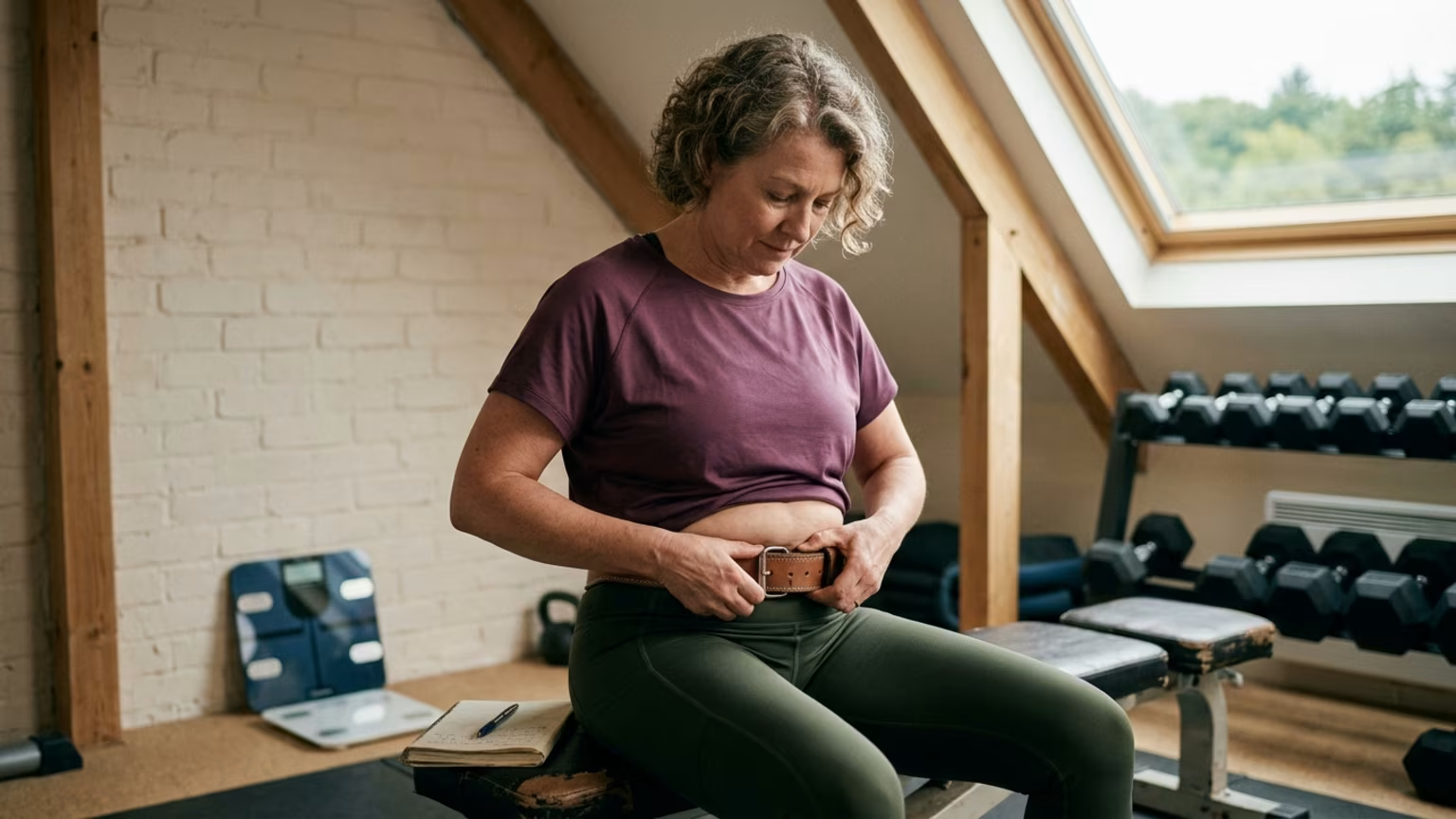

A 2026 study reveals how body composition shifts during menopause, increasing visceral fat and reducing lean mass even when scale weight remains stable.





On September 17, 2026, Infobae reported that a new study published in the Journal of Clinical Medicine identified differences in body composition among women before, during and after menopause. These shifts were observed even when women remained within the exact same body mass index category.
Medical guidelines for midlife women have historically relied heavily on standard weight measurements and basic body mass index calculations. Clinicians often assumed that maintaining a stable number on the scale indicated successful management of age-related physical changes. Women were routinely told that keeping their weight steady would protect their metabolic function and preserve their physical health. This conventional approach treated total body weight as the ultimate metric for physical wellness.
The standard scale cannot distinguish between a pound of muscle, a pound of fat or changes in bone density. Standard clinical practice rarely prioritised body composition assessments unless a patient developed a specific illness. Many women experienced unexplainable changes in their physical strength and waist size without receiving adequate medical context.
The central focus of the recent discussion stems from data gathered from 325 women. The reported study analysed records from these patients, who were treated at a university hospital in Poznań, Poland. The researchers utilised medical data that was originally collected in 2022. Because the study was retrospective and cross-sectional, it compared different groups of women at a single point in time.
This specific design means the study identified broad associations rather than following the exact same women prospectively through their menopausal transition. The findings highlight specific physical shifts that occur regardless of overall weight stability.
The most crucial takeaway is that a steady scale weight may conceal a shift toward more fat and less lean tissue. Body mass index provides a broad classification based strictly on weight and height. It does not show how much of a person's weight consists of fat versus functional muscle. It also fails to reveal exactly where the body is storing its fat deposits.
These limitations make standard measurements insufficient for evaluating changing health needs during midlife. Women often notice their clothes fitting differently without seeing any change in their overall scale weight. This frustration stems from relying on physical metrics that cannot capture internal physiological shifts. Relying solely on the scale leaves many women without clear answers about their changing bodies.
When evaluating the published data, readers should acknowledge what the report lacked. The article did not provide exact premenopausal, perimenopausal and postmenopausal lean-mass values for the public to review. It omitted the exact waist-circumference values needed to fully understand the recorded physical changes. The report lacked the precise numerical weight and body mass index measurements demonstrating that body weight remained perfectly identical. The strongest defensible wording is simply that the study observed body-composition differences within broader body mass index categories.
The increase in abdominal fat reported in the Polish study carries very specific health implications. The Infobae article connected visceral fat, which is the deep fat surrounding internal organs, with several serious cardiometabolic concerns. Cleveland Clinic women's health specialists Lynn Pattimakiel and Pelin Batur highlighted this crucial association. They linked visceral fat to elevated blood pressure, high cholesterol and high blood glucose levels.
These clinical factors explain why waist measurements offer vital context for long-term midlife health. A stable scale reading undoubtedly provides very useful health information for midlife women. It simply is not a complete assessment of overall health, functional muscle or internal fat distribution. A standard waist measurement or a calculated waist-to-hip ratio can add vital context to basic weight and body mass index numbers.
The Infobae report did not provide a specific healthy waist-circumference threshold. The article also did not recommend a particular measurement schedule for women to follow at home. A gradual increase in abdominal size is a documented physical shift for many women. Still, it should not automatically be interpreted as proof that menopause is the sole physiological explanation.
Multiple factors influence body composition over time. Sleep quality, physical activity and diet play a major role. Medications, general aging, genetics and underlying medical conditions also contribute to these physical shifts. Women concerned about changes in waist size or physical energy can take proactive steps. They can ask a healthcare professional whether a broader cardiometabolic assessment is appropriate. Understanding these connections helps women make informed decisions about their nutrition and weight management strategies.
Recent clinical discussion increasingly distinguishes standard scale weight from actual physical body composition. A separate review published in Frontiers in Medical Technology in August 2026 examined this exact topic. It identified monitoring fat increase, muscle loss and cardiovascular risk as highly relevant considerations for menopausal women. Fat distribution and lean mass may change significantly without causing a dramatic shift in total body weight.
The steady loss of body water, structural proteins and minerals after menopause further complicates the physical transition. Infobae reported these specific reductions across all the body mass index categories assessed in the Poznań hospital study. These internal structural shifts explain why women often feel radically different physically. This happens without any indication from standard medical charts that classify their weight as perfectly normal.
The Polish study results should not be treated as a universal individual diagnosis. The sample came from one specific university hospital, and the participants were selected purely by their availability. The report did not provide enough granular detail to establish how representative the group was of women internationally. More sophisticated body-composition testing is not automatically necessary or recommended for everyone.
Bioelectrical impedance estimates can vary based on hydration levels and the specific quality of the measurement device used. An isolated test result should be evaluated in its proper clinical context rather than treated as a definitive medical diagnosis. The most balanced message is reassuring but highly realistic about the physical changes involved. These physiological shifts are undeniably real, but a single number on the scale cannot explain the whole clinical picture. For more comprehensive insights, women can read resources on strength, body composition and metabolism.
If the scale does not tell the complete story, the most practical response involves supporting lean metabolic tissue. Muscle-preserving goals are more appropriate than aggressively pursuing scale weight reduction alone. A 2026 review in Frontiers in Endocrinology closely examined the vital role of specific exercise protocols. It described resistance training as an effective way to improve lean body mass and reduce body fat.
The review carefully noted that physical outcomes vary according to the specific population involved. Results also depend on whether intentional calorie restriction is included alongside the exercise program. The review specifically cited a comprehensive meta-analysis of adults living with overweight or obesity. In this specific analysis, resistance training alone was clearly associated with a small improvement in body-fat percentage.
This analysis also showed a documented reduction in total physical fat mass for the participants. More importantly, resistance training was identified as a highly effective approach for increasing crucial lean body mass. These exercise findings are not definitive proof that a particular menopause-specific program will completely prevent all visceral-fat gain. They should certainly not be viewed as a direct physical intervention tested in the original Polish study.
Instead, resistance training can be framed as a practical way to support physical strength, daily functional movement and lean muscle tissue. It is not merely a cosmetic tool designed for shrinking the waist circumference. Women can confidently discuss resistance training, adequate overall nutrition and necessary protein intake with a qualified clinician or registered dietitian.
This professional guidance is relevant for individuals managing kidney disease, digestive conditions, diabetes or other complex medical considerations. Connecting exercise directly to functional capacity helps women navigate their perimenopause and menopause years with far greater confidence.
Clinical practice will increasingly move away from relying solely on standard scale measurements, prioritising waist-to-hip ratios and muscle-preserving strategies to accurately assess midlife cardiometabolic health.
While body composition shifts often prompt frustration with the scale, midlife involves many layered physical transitions. We address the challenge of skin and hair changes mixed with aggressive anti-aging marketing, helping you find clear answers amid the noise. Refemina translates credible evidence into practical adult guidance, allowing you to approach your changing body with confidence and realism instead of relying on wellness hype. Explore Resources

Follow Refemina for research-led insights on menopause, strength, metabolism, nutrition, skin, intimacy and confidence through midlife. New articles turn complex topics into clear, useful context.






Keep learning about the changes that shape energy, strength, confidence and wellbeing through midlife.
Explore Resources