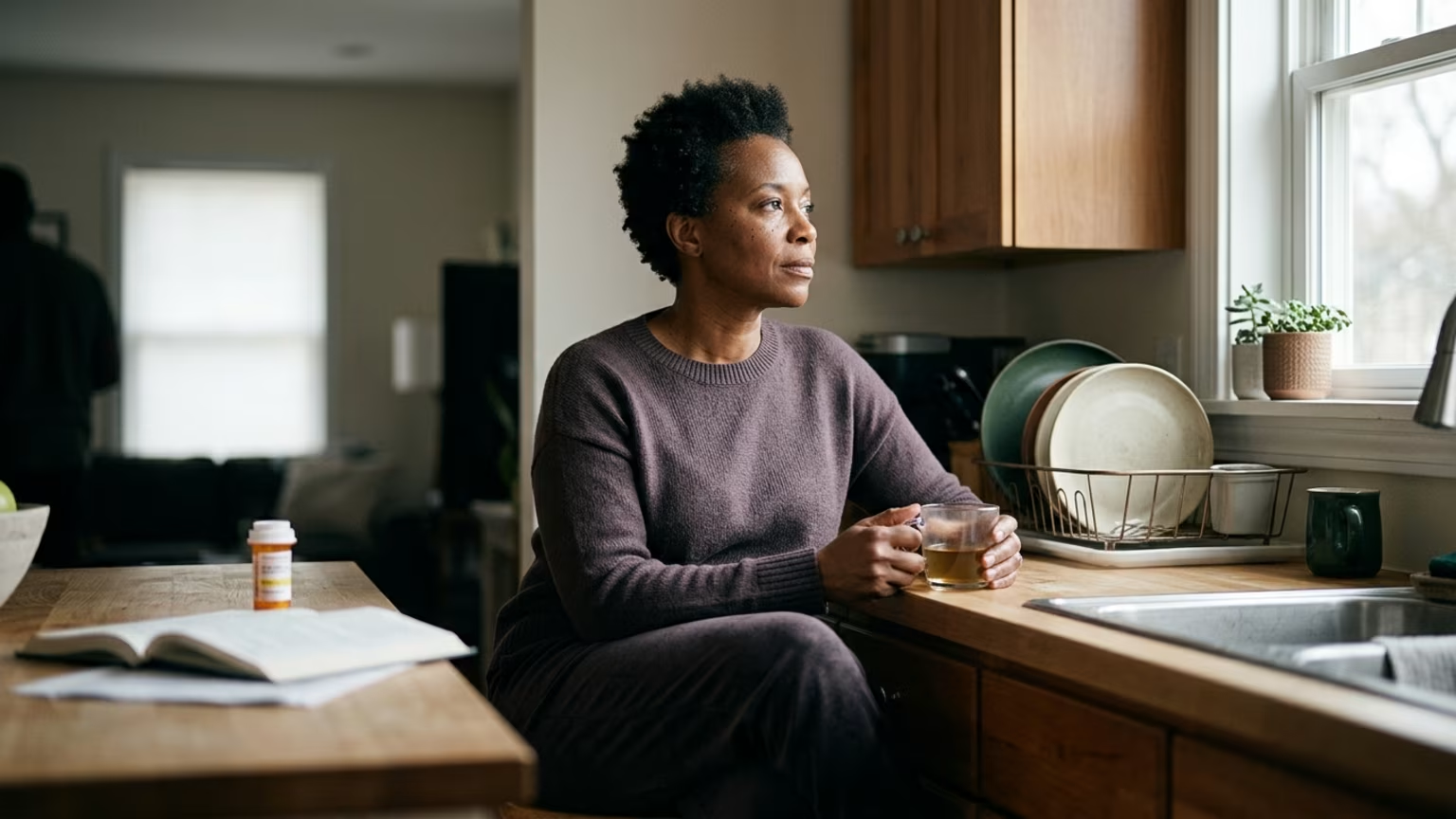

Midlife sexual changes are rarely caused by a single hormonal shift. Learn how physical comfort, medications, and sleep patterns impact your intimate life.





Why has my sex drive seemingly disappeared during the transition through menopause? Midlife sexual changes rarely stem from a single hormonal shift, and what feels like low desire is often a combination of changing physical comfort, medication side effects, sleep disruption, or shifts in how your body responds to physical touch.
Many women mistakenly believe that physical readiness perfectly mirrors emotional desire. Desire, arousal, lubrication, and orgasm are related but distinct parts of the sexual response cycle. A change in one component does not automatically mean all have changed. A woman may feel completely interested and mentally aroused while experiencing vaginal dryness. This is particularly true during or after menopause, according to Mayo Clinic store educational materials.
Physical arousal includes both psychological excitement and physical genital responses. These physical responses involve increased blood flow and heightened sensitivity. Dryness is simply not a reliable measure of your underlying desire for physical intimacy. Someone may feel fully engaged in the moment and simply need additional lubrication to feel physically comfortable.
Assuming that a lack of natural moisture signals a loss of interest can create unnecessary tension between partners. Understanding that your body can want intimacy while still needing physical support is a crucial part of midlife sexual health. Recognizing this disconnect helps women stop blaming themselves for natural physiological changes. The body often requires different forms of physical support as you age, and this does not invalidate your emotional connection.
Declining estrogen levels around menopause can certainly contribute to vaginal dryness and painful sex. These physical shifts are commonly discussed under the genitourinary syndrome of menopause (GSM). This condition can include dryness, irritation, and reduced elasticity. It may also involve discomfort during intercourse and urinary symptoms. Pain can significantly reduce your interest in sexual activity, interrupt your physical arousal, and create anticipatory anxiety before intimacy even begins.
Treating a resulting loss of desire without addressing the underlying tissue discomfort often misses the actual root of the problem. Midlife sexual changes are usually biopsychosocial rather than attributable to one single hormone. Clinical assessments may need to consider menopause-related tissue changes alongside your mood and sleep quality. Your provider might also review your stress levels, body image, and relationship circumstances.
For instance, sleep disruption and fatigue can drastically reduce the mental and physical capacity you have available for intimacy. The distinction matters deeply because different lifestyle factors affect entirely different parts of your sexual function. Treating every shift as a strict hormonal deficit ignores the reality of living in a busy, demanding world.
Different medications can alter your physical sexual response and lower your motivation for intimacy. Official prescribing information states that some common antidepressants may cause decreased libido and delayed or absent orgasm in women. This includes medications classified as selective serotonin reuptake inhibitors (SSRIs) and serotonin-norepinephrine reuptake inhibitors (SNRIs). Specifically, similar sexual side effects are listed for fluoxetine, venlafaxine, and escitalopram.
Women often assume their changing sexual function is strictly related to menopause, completely missing the impact of their daily prescriptions. If your new sexual difficulties began shortly after a medication change, reviewing the timing and dosage with a prescriber is a practical next step. Adjusting your current treatment plan might resolve your orgasm difficulties without requiring additional hormonal interventions. Always consult your prescribing physician before modifying your daily medication routine to protect your mental health. Taking control of your overall wellbeing requires understanding how your medications interact with your sexual response.
Managing the genitourinary syndrome of menopause begins with correctly identifying the severity of your specific physical symptoms. For mild GSM symptoms, over-the-counter vaginal lubricants and moisturizers may provide immediate relief from physical friction. A regular vaginal moisturizer can help with ongoing daily dryness, while lubricants are used specifically during sexual activity. When these accessible options are not enough to relieve tissue discomfort, clinical guidance identifies several prescription alternatives.
Local treatments include low-dose vaginal estrogen, vaginal DHEA, and oral ospemifene for persistent or moderate-to-severe symptoms. Local vaginal therapies address specific genital and urinary symptoms, but they should not automatically be presented as a universal treatment for low desire, relationship distress, or broader sexual dissatisfaction. Finding the right approach to your hormonal transition requires separating physical discomfort from mental engagement. If pain makes penetration intolerable, investigating pelvic-floor issues or tissue changes takes priority over trying to artificially increase desire. Treating the physical barriers first often allows your natural desire to return without forcing the issue.
The medical conversation around testosterone for women is much narrower than current menopause marketing often suggests. The 2019 Global Consensus Position Statement identified hypoactive sexual desire disorder (HSDD) in postmenopausal women as the only evidence-based indication for testosterone therapy in women. This consensus statement was endorsed by multiple international medical societies. It does not support presenting testosterone as a general treatment for energy, cognition, mood, or overall wellbeing.
Testosterone should never be positioned as a default response to any midlife sexual change. It is particularly unhelpful when your main problem is physical dryness, localized pain, medication-related orgasm difficulty, or relationship strain. The supporting evidence cited in clinical guidelines concerns carefully assessed postmenopausal HSDD. This research should not be casually generalized to all women navigating perimenopause or to all forms of sexual dissatisfaction. Exploring our educational materials on physical intimacy can help you narrow down the true cause of your symptoms before seeking new prescriptions. Relying on accurate clinical data prevents you from pursuing treatments that lack strong medical backing.
Tracking your specific physical and emotional changes can help you and your clinician understand your sexual health far better than simply labeling the issue as low libido. You might record your baseline interest before intimacy begins, paying attention to whether your desire develops naturally after touch or stimulation. This pattern is known as responsive desire. Responsive desire is a completely normal physical response and does not automatically signal a medical dysfunction.
You can also track the time you need to become physically aroused and whether dryness occurs when you feel strong mental interest. Note any pain, burning, tearing, or bleeding during physical contact. Pay close attention to changes in your orgasm intensity, delays in reaching climax, or the complete absence of orgasm entirely. Documenting your sleep quality, daily stress levels, mood shifts, and any recent medication changes provides necessary context for a productive clinical conversation.
Seeking mental-health support or couples counseling can be highly beneficial when stress, relationship dynamics, or anxiety are part of the broader picture. Maintaining your personal growth and emotional health goals often supports better intimate connections. Your daily lifestyle habits, relationship health, and emotional wellbeing all play a massive role in how you experience intimacy during midlife. Taking a comprehensive approach allows you to address every layer of your changing sexual response.
A change in your sexual function becomes clinically significant when it is persistent, unwanted, or distressing. It is not necessarily a medical problem simply because it differs from your earlier sexual patterns, especially if the change does not actively bother you. According to clinical guidance, there are clear, documented reasons to seek a medical assessment rather than assuming a change is just an inevitable part of aging.
You should schedule an evaluation if you experience new or persistent pain, burning, or dryness. Noticeably reduced sensation or bleeding also requires medical attention. An inability to tolerate penetration or a brand-new difficulty reaching orgasm also warrants a professional review. A clinician may need to review your current medications, your mental health, and your pelvic symptoms before diagnosing a specific sexual dysfunction.
Separating these physical red flags from general midlife fatigue allows your healthcare provider to target the right underlying issue. Identifying the true source of your discomfort prevents you from wasting time on ineffective wellness trends. Reaching out for professional help is a powerful step toward reclaiming your physical comfort and intimate confidence.
Identifying the specific changes in your physical arousal, bodily comfort, and emotional connection allows you to address the actual source of your distress rather than assuming your overall desire is permanently gone.
While your gynecologist addresses painful intercourse and vaginal dryness day to day, identifying the exact source of your changing sexual response takes less guesswork when Refemina steps in. We know that navigating health content that treats every problem as a supplement, hormone or weight-loss opportunity is frustrating, which is why we deliver evidence-based insight to help you reclaim your intimate confidence.

Follow Refemina for research-led insights on menopause, strength, metabolism, nutrition, skin, intimacy and confidence through midlife. New articles turn complex topics into clear, useful context.



Keep learning about the changes that shape energy, strength, confidence and wellbeing through midlife.
Explore Resources