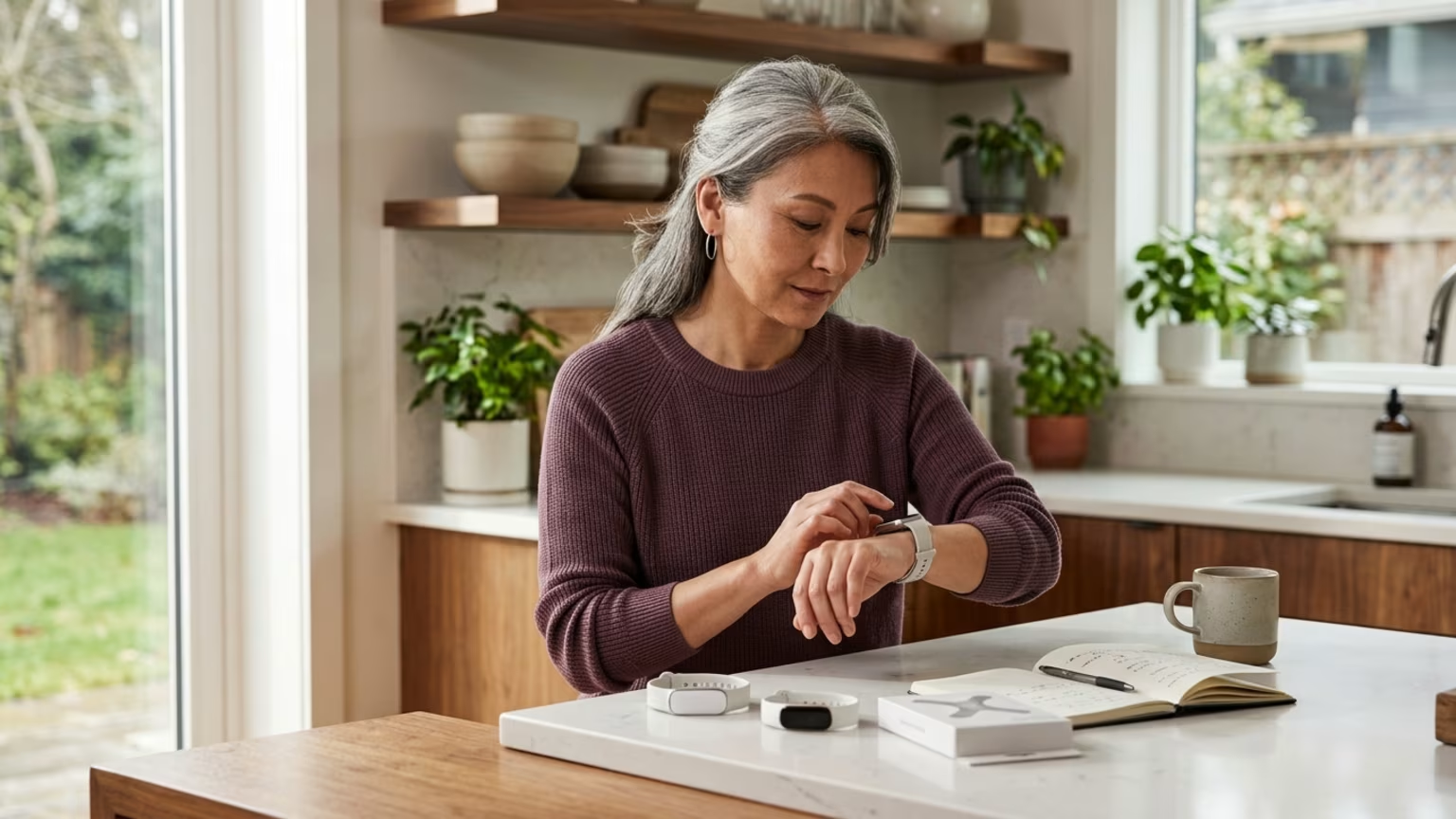

Consumer Reports evaluated midlife wellness gadgets, revealing that consistent resistance training preserves bone density and strength better than trendy devices.





On September 18, 2026, KRGV published a Consumer Reports segment examining whether popular midlife wellness products actually justify their cost and marketing claims. The evaluation reviewed weighted vests, walking pads, and vibration plates targeted at women over 40.
For years, midlife health marketing presented commercial gadgets as effortless solutions for shifting body composition and metabolism. The prevailing assumption among consumers was that purchasing a trendy wellness device could substitute for conventional exercise. Medical guidance historically allowed these products as harmless motivational tools. This approach rarely scrutinized the safety mechanics of the devices themselves, nor did it challenge the lack of clinical evidence behind their bold physiological claims. Women were frequently led to believe that a single wearable could manage the complex physical transitions of midlife.
The recent Consumer Reports segment and updated clinical literature highlight several practical realities about midlife wellness devices and physical capability.
The Consumer Reports evaluation provides a useful reality check on an industry selling convenience and effortless results. Wellness products are increasingly marketed to women over 40 who want to remain strong, mobile, and healthy as they age. The segment framed the discussion around these specific desires, acknowledging that staying capable is a valid priority. A device might offer motivation to walk or become more active in addition to an existing routine. The broader message from the testing is that women do not need a trendy gadget to stay healthy or preserve their physical function.
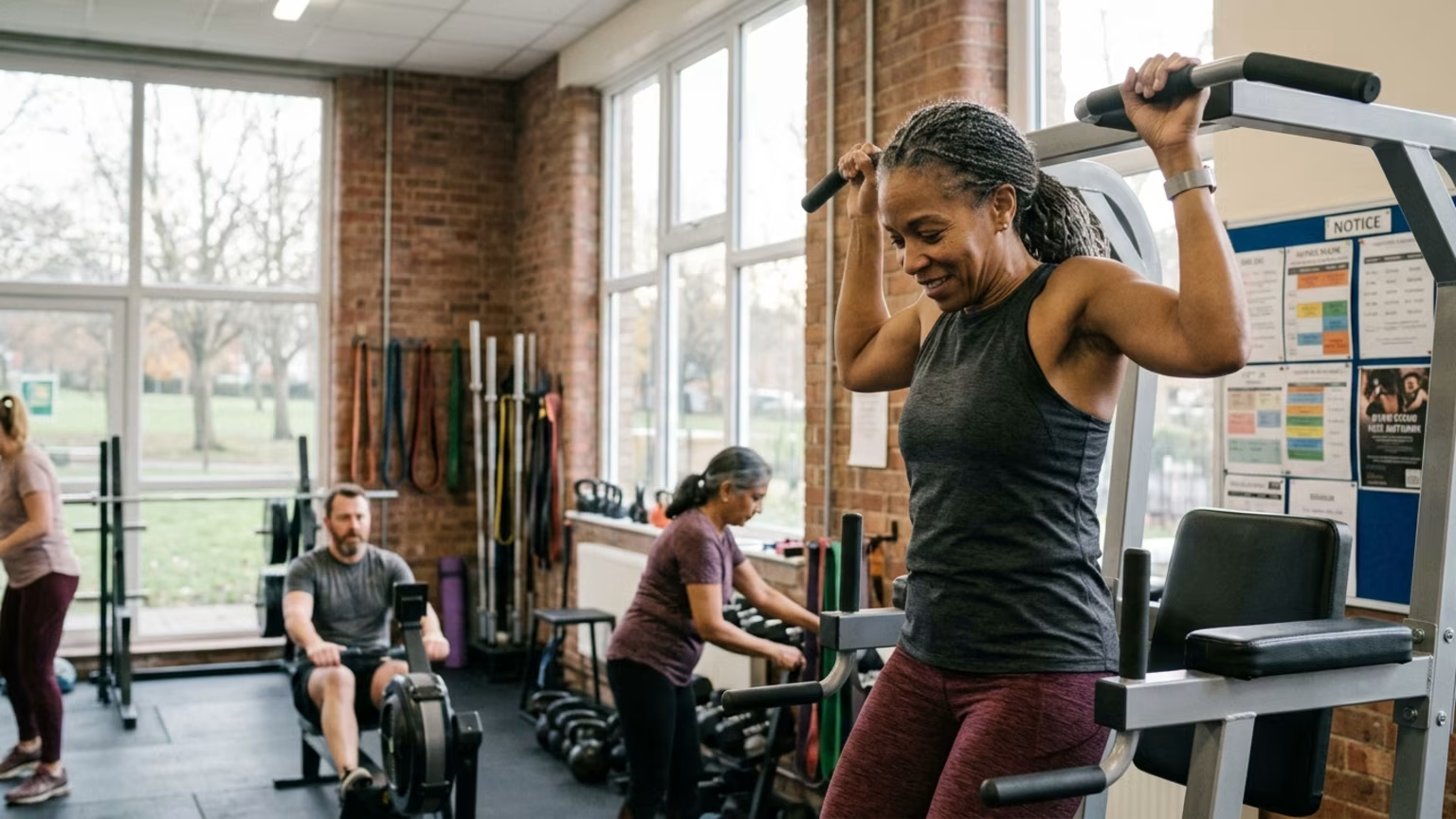
Preserving strength and bone density becomes an important health priority during the menopausal transition. Estrogen decline can contribute to losses in bone density, muscle mass, and strength over time. Dr. Shaghayegh DeNoble, a board-certified obstetrician-gynecologist and menopause specialist mentioned in the segment, noted that the growing focus on strength training is drawing much-needed attention to muscle mass and bone density. This clinical focus treats strength training as a method for maintaining physical capability, rather than merely a cosmetic strategy.
The products examined by Consumer Reports reflect a wellness market selling the promise of integrating exercise effortlessly into everyday routines. Weighted vests, vibration plates, and under-desk treadmills all appeal to the desire for convenient health interventions. The segment suggests that the most useful role for some of these devices may be purely behavioral. Helping a person walk, exercise, or remain consistent is valuable, but it does not replace the physiological need for progressive resistance training. Relying solely on a gadget can distract from the fundamental work required to maintain muscle.
Clinical research consistently supports structured physical activity for maintaining skeletal health after menopause. The evidence summarized by the Journal of Clinical Endocrinology & Metabolism confirms that resistance training is beneficial, noting that impact exercise is often included in the evidence base. This aligns with the 2024 United Kingdom osteoporosis guideline, which supports weight-bearing and resistance exercise as complementary components of prevention. The guidance focuses on reducing bone loss at the femoral neck and lumbar spine through consistent effort over time.
Observational research also highlights the relationship between muscle mass and skeletal strength. A study of 345 postmenopausal women in Thailand found that the appendicular skeletal muscle mass index was independently associated with bone mineral density at the lumbar spine, total hip, and femoral neck. These reported associations were statistically significant, with all p-values falling below 0.001. Because the study was observational, it does not prove that increasing muscle mass alone causes higher bone density. The findings simply reflect that muscle, body weight, and skeletal health are closely linked.
It is helpful to remember that body composition is multifactorial and heavily influenced by lifestyle, nutrition, and genetics. Declining estrogen contributes to changes in muscle and bone, but it is not the single explanation for every shift in weight, energy, or sleep. The available evidence does not support the idea that strength training can directly balance estrogen or progesterone. A clinical commentary clarifies that building muscle offers indirect benefits for metabolic and skeletal health rather than direct hormonal regulation. Looking for comprehensive guidance among our perimenopause and menopause articles can help clarify these distinctions.
The Consumer Reports findings illustrate a vital distinction between a well-built product and a medically proven intervention. A device can operate smoothly and feel comfortable while lacking the scientific backing to support its marketing promises. The vibration plate category warrants particular caution in this regard. Consumer Reports identified a top choice based on stability during movements like squats, lunges, and planks. Reviewers still warned that many of the broad health claims associated with vibration therapy have limited scientific support.
Comfort and convenience should not be confused with proven effects on bone remodeling or lymphatic drainage. A product receiving a favorable rating means it performed well within its specific consumer category. It does not mean the device is medically necessary or superior to conventional exercise for every user. Women seeking meaningful changes in their physical capacity are better served by treating dumbbells, machines, bands, or body-weight movements as primary tools. Gadgets might add novelty, but they cannot replace the mechanical stimulus of progressive resistance.
Improvements in bone density should never be promised as quick results from a new purchase. The available guideline and review evidence supports resistance and weight-bearing exercise as part of a longer-term skeletal strategy, not as an instant solution. A device might feel challenging initially, but sustained physiological adaptation requires a structured, progressive approach over many months. Understanding this timeline is crucial for managing expectations and avoiding the frustration that often follows impulsive wellness purchases.
When women choose to use devices to support their routines, safety and fit must take priority over promotional hype. The under-desk treadmill evaluations demonstrate why careful product selection matters. Consumer Reports evaluated safety, construction, and durability, finding significant flaws in some models. Users should evaluate belt width, check handrail stability, and test stopping behavior before committing to a purchase. Low-speed walking is beneficial, but the equipment must support safe, uninterrupted movement.
Weighted vests require a similar level of practical scrutiny before they are added to a workout. The Consumer Reports testing involved five people with different heights and body shapes. The results suggested that intended use and adjustability dictate which design works best for an individual. A vest that increases loading during a walk might feel unbalanced during a squat, meaning there is no universally perfect option for every user. Adding external weight should only happen once a person has mastered basic movement patterns.
Safety is especially relevant for individuals with preexisting health conditions or physical limitations. Consumer Reports advises people who are new to exercise, or who have balance and joint concerns, to consult a healthcare provider. Adding a weighted vest or trying a new balance device without medical guidance can increase the risk of injury. Women with diagnosed osteoporosis, a history of fracture, or significant joint problems may need highly individualized exercise selection and supervision. A generic online program or mass-market device is rarely appropriate for managing complex clinical needs.
Choosing consistency over novelty is the most practical takeaway from the recent product evaluations. Starting with activities that a person actually enjoys increases the likelihood of long-term adherence, while buying an uncomfortable wellness product often leads to abandoned routines. Sustainable midlife health relies on actions that fit realistically into a daily schedule. Reading the latest strength and body composition articles can provide clear direction for setting up an effective plan without unnecessary complication.
Tracking physical capability offers a better metric for success than relying on appearance alone. Progress can be measured by the ease of carrying heavy groceries, rising from a chair without assistance, or climbing stairs without fatigue. Improving balance and gradually lifting greater resistance align perfectly with the goal of remaining strong and mobile. This capability-focused view of aging helps women move past the pressure of rapid body transformation and preserve sexual wellbeing and intimate confidence as the body changes.
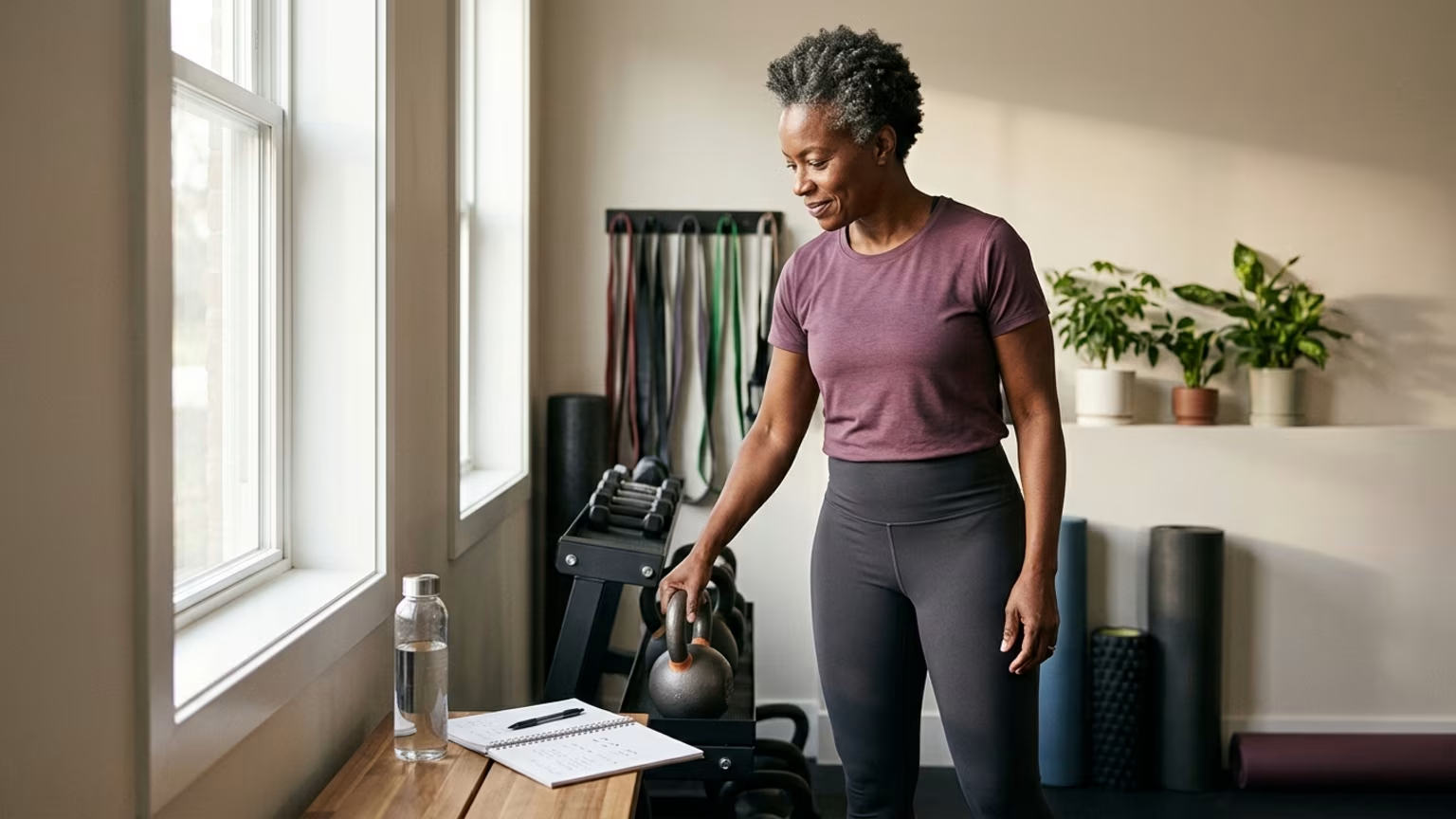
Making resistance exercise the foundation of a weekly routine delivers documented benefits without the need for expensive technology. Devices like walking pads can help a person accumulate more daily steps, acting as an optional support system. They should never automatically replace a balanced exercise routine that challenges the muscles and skeleton. True physical resilience comes from progressive effort, adequate recovery, and consistent habits over many years, proving that women are highly capable of building strength without relying on gadget-promoted promises.
Going forward, clinical practice will increasingly prioritize sustainable, progressive resistance training over commercial gadgets to preserve physical capability during midlife.
While the wellness market sells convenient gadgets to manage physical changes, finding an approach that actually preserves capability can feel overwhelming. Refemina addresses the loss of confidence or identity during a period of physical and personal change, helping you navigate the research so you can build strength and self-trust. Explore Resources

Follow Refemina for research-led insights on menopause, strength, metabolism, nutrition, skin, intimacy and confidence through midlife. New articles turn complex topics into clear, useful context.



Keep learning about the changes that shape energy, strength, confidence and wellbeing through midlife.
Explore Resources