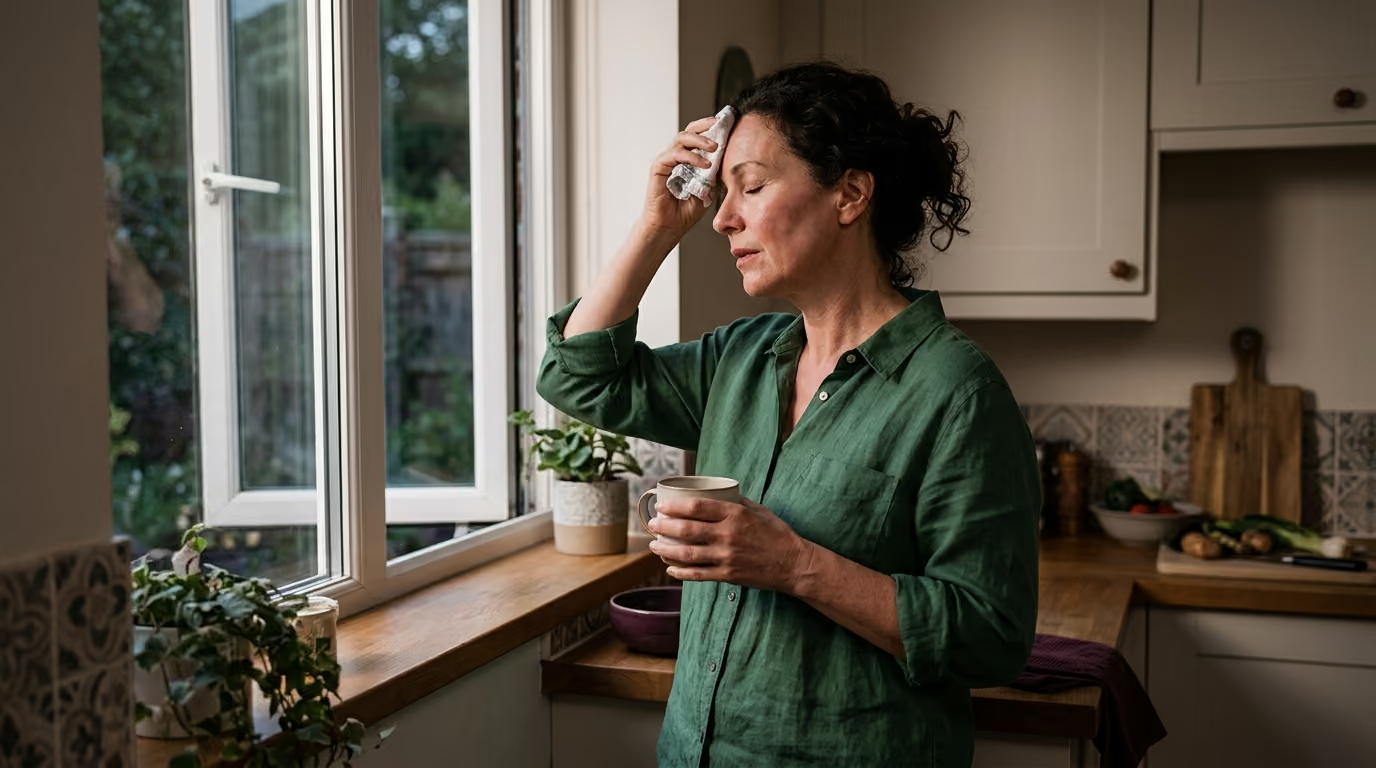

Menopausal temperature spikes stem from central brain changes instead of external warmth, pointing toward proven medical options that reduce symptom frequency and daily disruption.





Popular culture often treats hot flushes as a brief, comedic punchline of midlife. Women are told that sudden heat is a minor inconvenience lasting perhaps a single year. The clinical data reveals a very different reality.
Vasomotor symptoms represent a profound neurological recalibration that affects up to eighty percent of women during the menopause transition. For many, these episodes persist for more than seven years, disrupting sleep architecture, daytime concentration, emotional resilience and professional confidence. Understanding the true physiology of these symptoms is the first step toward reclaiming physical control. This guide provides a comprehensive, research-backed reference to why temperature regulation changes in midlife, how to separate normal hormonal shifts from other medical conditions, and which evidence-based interventions offer reliable relief.
Clinical medicine uses the umbrella term vasomotor symptoms to describe hot flushes and night sweats. These episodes are not mere sensations of being warm. They are acute physiological events involving the vascular and central nervous systems.
Research from the Study of Women's Health Across the Nation established that hot flushes and night sweats are among the most common physical experiences of midlife. Up to eighty percent of women report vasomotor episodes at some point during the menopause transition. The widely repeated belief that flushes resolve within twelve months is inaccurate. In long-term cohort analyses, the median total duration of frequent vasomotor symptoms was 7.4 years. When symptoms began during early perimenopause, the median total duration exceeded 11.8 years. After the final menstrual period, symptoms persisted for a median of 4.5 years across the wider study population.
The duration and frequency of episodes vary across different demographic groups. In large-scale observational research, Black women experienced the longest symptom duration and highest prevalence, while Asian women reported lower rates. These population-level variations reflect a complex intersection of genetics, lifestyle factors, social determinants of health and access to medical care.
Symptom frequency and functional impairment do not always correlate perfectly. One person may experience twelve mild daytime flushes that cause minimal disruption. Another may experience two severe night sweats that trigger profound insomnia, next-day cognitive fog and high anxiety. Clinical care must evaluate how intensely these events disrupt daily function rather than simply counting episodes on a chart.
A hot flush is not caused by the body suddenly overheating from the outside environment. It is triggered by thermoregulatory instability within the hypothalamus, the brain region responsible for maintaining core temperature.
In healthy adults with stable hormone levels, the body operates within a comfortable thermoneutral zone. Within this zone, small fluctuations in ambient temperature do not trigger active cooling or heating mechanisms. During the menopausal transition, changing ovarian hormone levels alter central neurotransmitter pathways. This change significantly narrows the thermoneutral zone. The internal thermostat becomes hypersensitive. A minute elevation in core temperature, which would normally go unnoticed, now breaches the upper threshold of the brain.
Once this threshold is crossed, the hypothalamus initiates an immediate heat-dissipation response. Peripheral blood vessels dilate rapidly, shunting blood to the skin surface of the face, neck and chest. This vasodilation produces visible skin redness and an intense sensation of surface heat. Sweating follows as the body attempts evaporative cooling.
Because the original increase in core temperature was minimal, this aggressive cooling response quickly drives internal temperature below the narrowed lower threshold. The person frequently experiences shivering, cold sweats and chills immediately after the flush subsides.
The subjective sensation of intense heat occurs alongside objective physiological changes:
For deeper context on how these hormonal changes connect to other physical transitions, explore our educational work on perimenopause and menopause hormonal changes.
Hot flushes and night sweats share the same underlying mechanism, but their real-world impact differs. A hot flush is experienced during waking hours, allowing immediate behavioral responses such as removing layers or sipping cold water. A night sweat occurs during sleep, often waking the person in drenched sleepwear with soaked bedding.
Not every nocturnal sweating episode is caused by hormonal transition. Primary care clinicians must distinguish menopausal vasomotor symptoms from secondary night sweats. Secondary night sweats stem from underlying medical conditions, medications or environmental extremes.
Evaluating secondary causes requires looking beyond reproductive hormones. Sweating during sleep can occur because of untreated obstructive sleep apnoea, chronic infections, thyroid dysfunction or nighttime hypoglycaemia in individuals taking glucose-lowering medications. Certain prescription drugs, particularly selective serotonin reuptake inhibitors, can induce night sweats as a pharmacological side effect.
Medical assessment is recommended when night sweats present with specific systemic features:
Persistent, unexplained night sweats with systemic symptoms warrant clinical investigation. When evaluating these concerns, primary care records help rule out systemic illness before attributing symptoms solely to midlife hormonal shifts.
For healthy women aged 45 and older presenting with irregular cycles and typical hot flushes, international guidelines recommend a clinical diagnosis. The National Institute for Health and Care Excellence advises against routine laboratory testing in this demographic.
Hormone levels fluctuate widely throughout perimenopause. A single blood test measuring follicle-stimulating hormone, estradiol or anti-Müllerian hormone provides only a fleeting snapshot. A test taken on a day when estrogen is temporarily elevated can show normal levels, yet the patient may experience severe vasomotor symptoms that very evening. Relying on laboratory values can delay appropriate support by giving false reassurance.
Diagnostic testing becomes appropriate in specific clinical scenarios:
During a clinical consultation, a detailed symptom diary is far more informative than a blood draw. Tracking the timing, severity and sleep disruption of your episodes provides clinicians with the necessary context to recommend targeted therapies. If you are preparing for a healthcare discussion, our overview of evidence-led midlife health resources offers practical frameworks for clinical conversations.
Vasomotor symptoms affect multiple facets of daily functioning. Addressing their impact requires looking at sleep architecture, occupational demands and physical activity.
Night sweats are a primary driver of midlife insomnia. An episode wakes the brain during deep rest, elevating heart rate and triggering autonomic arousal. The person must often change clothes, replace sheets or wait for shivering to pass. This interruption makes returning to sleep difficult.
Over time, this pattern creates conditioned sleep anxiety. The individual begins to anticipate nighttime waking with dread, elevating evening cortisol levels and fragmenting sleep quality. Chronic sleep deprivation diminishes cognitive focus, impairs emotional regulation and alters appetite hormones. Targeted management must address both the physical vasomotor trigger and the sleep-related anxiety that develops around it.
Daytime flushes can cause distress in professional environments. Sweating, flushing and sudden heat can feel destabilizing during presentations, patient care or client meetings. The unpredictability of these episodes adds a layer of anticipatory stress that can amplify the physical sensation.
Practical workplace strategies provide psychological and physical support:
Physical exertion naturally raises core body temperature. In a person with a narrowed thermoneutral zone, exercise can trigger an immediate flush. Some women respond by avoiding vigorous activity altogether, which undermines cardiovascular and metabolic health.
Exercise does not cure vasomotor symptoms, but maintaining muscle mass and aerobic capacity supports long-term thermoregulation and stress resilience. To stay active comfortably, exercise in well-ventilated spaces, hydrate consistently with cool fluids, wear lightweight athletic apparel, and build intensity gradually. For structured guidance on maintaining strength and physical function, see our articles on strength, body composition and metabolism.
Night sweats can disrupt a partner's sleep when sheets are frequently changed or windows are opened in cold weather. Waking up drenched in sweat can also impact body image, physical comfort and sexual desire.
Open communication about sleeping arrangements, such as using separate duvets with different weights, helps maintain restorative rest for both partners. Separating vasomotor episodes from romantic intimacy prevents unnecessary relationship strain. When hot flushes occur alongside changes in intimate comfort, you can read our focused guides on sexual wellbeing and intimate confidence.
When lifestyle measures do not provide adequate relief, evidence-based medical treatments offer reliable therapeutic options. Medical decisions should be guided by individual health history, symptom severity and personal preferences.
Systemic hormone replacement therapy remains the most effective treatment for menopausal hot flushes and night sweats. Clinical guidance from major international societies, including the American College of Obstetricians and Gynecologists and the North American Menopause Society, recognizes systemic estrogen as the gold standard for vasomotor relief.
Systemic estrogen widens the thermoneutral zone in the hypothalamus, restoring baseline temperature regulation. For individuals who have a uterus, systemic estrogen must be combined with a progestogen to protect the uterine lining from endometrial hyperplasia. Individuals who have undergone a hysterectomy typically use estrogen alone.
Hormone therapy is available in oral tablets and transdermal preparations such as patches, gels and sprays. Transdermal estrogen is absorbed directly through the skin, avoiding first-pass liver metabolism. Health authorities, including NHS guidelines, note that transdermal routes do not increase the risk of venous blood clots in the way oral estrogen tablets can.
Hormone therapy requires careful individual evaluation. Absolute contraindications and situations requiring specialist consultation include active or past hormone-sensitive cancers, unexplained vaginal bleeding, severe active liver disease and history of cardiovascular disease. The balance of benefits and risks is generally most favorable for healthy women who start therapy within ten years of their final menstrual period or before age sixty.
Cognitive behavioral therapy tailored for menopause is an evidence-supported, nonhormonal approach recommended by NICE guidelines. It is effective both as an independent therapy and alongside medical treatments.
Menopause-specific CBT does not claim to stop the physiological hormonal transition. Instead, it targets the autonomic cycle that amplifies hot flushes:
Clinical trials demonstrate that CBT significantly reduces the perceived severity, distress and daily disruption of hot flushes, even when total flush frequency changes modestly. For further perspectives on cognitive tools and emotional stability, explore our resources on mental fitness and midlife confidence.
Fezolinetant is an oral, nonhormonal medication specifically developed to treat moderate-to-severe vasomotor symptoms. It works by blocking the neurokinin 3 receptor in the hypothalamus, directly modifying the neural pathways that trigger hot flushes.
This medication provides an evidence-based option for women who cannot use hormone therapy due to medical contraindications, or who choose to avoid hormones. Clinical trials have demonstrated significant reductions in both the frequency and severity of hot flushes.
Because fezolinetant is metabolized by the liver, safety protocols require hepatic monitoring. Regulatory agencies, including the United States Food and Drug Administration, advise baseline liver function blood tests before starting the drug. Follow-up liver tests are scheduled monthly for the first three months, with further checks at six and nine months. Patients must report signs of liver stress, such as jaundice, dark urine or unexplained abdominal pain, immediately.
Several other prescription medications have demonstrated efficacy for vasomotor symptoms in clinical trials:
The wellness market offers an overwhelming array of products claiming to eliminate hot flushes naturally. Evaluating these options requires distinguishing between low-risk comfort habits and unproven commercial claims.
Practical comfort measures carry no risk and provide day-to-day relief:
In its 2023 nonhormonal position statement, the North American Menopause Society evaluated the scientific literature on complementary and alternative treatments. The review found insufficient or inconsistent evidence to recommend over-the-counter supplements, including red clover, black cohosh, evening primrose oil, dong quai, soy extracts and equol, as proven therapies for vasomotor symptoms.
Many commercial botanicals suffer from unregulated manufacturing, variable compound concentration, potential liver toxicity and unrecognized interactions with prescription medications. Assuming a product is safe simply because it is marketed as plant-derived is a common error. A structured nutritional approach supports metabolic health throughout midlife, but dietary supplements cannot be relied upon to resolve hypothalamic thermoregulatory shifts. For broader dietary guidance, explore our evidence-based articles on midlife nutrition and metabolism.
Every midlife transition follows a unique path. The following illustrative models show how evidence-based choices apply across varying health profiles.
A 47-year-old marketing director with regular menstrual cycles begins experiencing sudden, intense facial flushing and sweating during client meetings. The episodes cause anxiety, loss of focus and embarrassment. She assumes she must wait for her periods to stop before seeking help.
A 51-year-old teacher experiences two to three night sweats each evening. The physical flushes last only three minutes, but she remains awake for over an hour after each episode, worrying about her energy levels for the next school day.
A 54-year-old accountant with severe hot flushes has a personal history of deep vein thrombosis following orthopedic surgery. She was previously told she could never use any form of hormone therapy.
A 53-year-old nurse presents with drenching night sweats that require changing her nightclothes twice every night. She also reports feeling unusually fatigued and notes that her uniforms have become loose over the past three months without changes to her diet.
The scientific understanding of midlife thermoregulation has advanced, but critical research gaps remain. Acknowledging where data is incomplete protects women from unsupported commercial claims and unrealistic clinical promises.
First, the exact neurochemical pathways that link fluctuating ovarian steroids to hypothalamic thermoregulation are not fully mapped. While neurokinin B and estrogen interactions explain part of the mechanism, individual susceptibility remains unpredictable. Science cannot yet predict why one woman experiences fifteen years of debilitating flushes while another transitions through menopause with none.
Second, long-term safety data for newer nonhormonal therapeutics, including selective neurokinin receptor antagonists, continues to develop. While short-term and medium-term trials demonstrate strong efficacy and acceptable safety profiles with appropriate liver monitoring, multi-decade registry data will refine our understanding of their role in long-term care.
Third, the literature evaluating herbal supplements, botanical extracts and acupuncture remains plagued by small sample sizes, lack of standardized dosing and high placebo response rates. Placebo responses in vasomotor clinical trials routinely reach thirty to forty percent, making rigorous blinded research necessary before treatments can be declared effective.
Finally, health research has only recently begun investigating how occupational environments, housing quality, chronic structural stress and racial health disparities shape the duration and severity of vasomotor symptoms. More diverse, inclusive clinical trials are needed to optimize individualized symptom care across all populations.
Hot flushes and night sweats are manageable physiological events that respond to evidence-based medical care and practical lifestyle strategies.

Follow Refemina for research-led resources on hormonal change, strength, metabolism, nutrition, skin, intimate wellbeing and confidence through midlife.


Keep learning about the changes that shape energy, strength, confidence and wellbeing through midlife.
Explore Resources