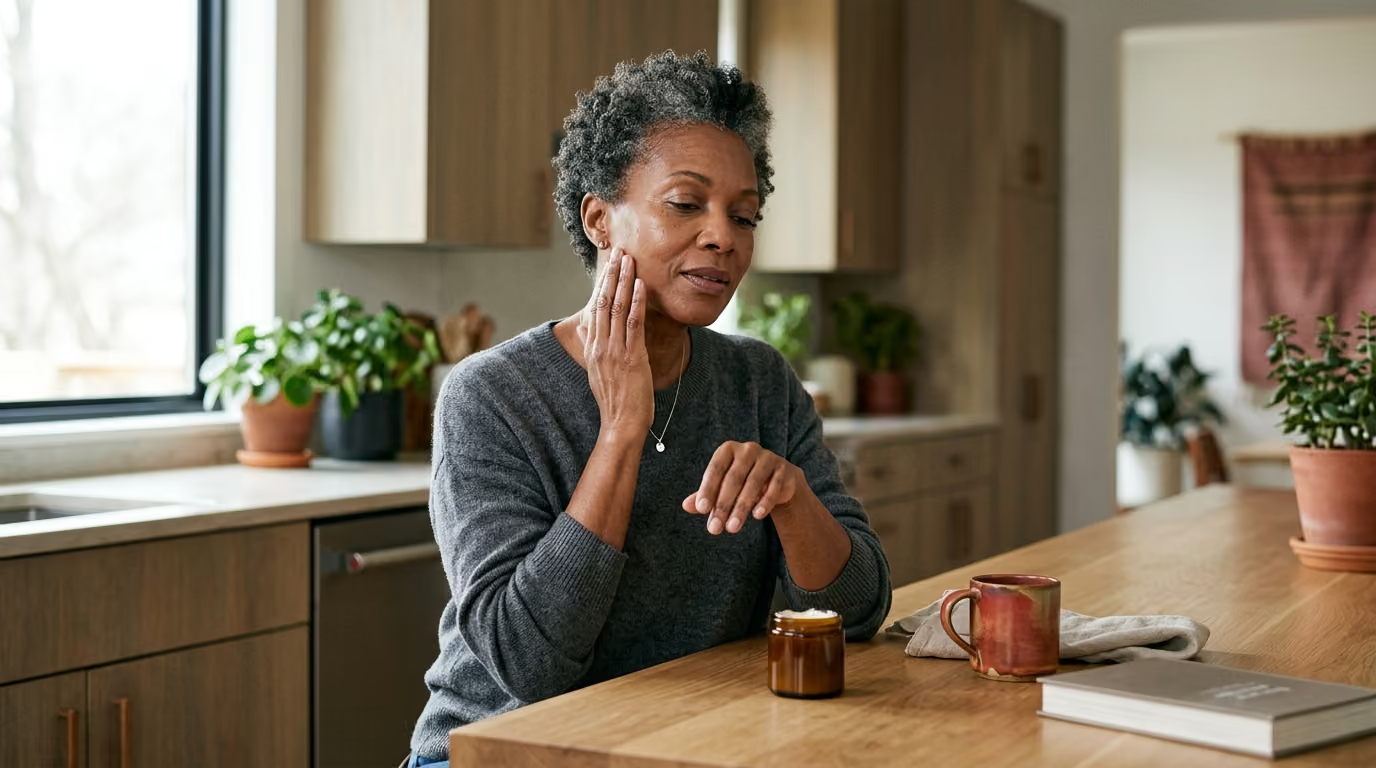

Sudden midlife changes in your skin reflect complex hormonal shifts that you can effectively manage with evidence-based skincare protocols and targeted daily routines.





Many women search online for why their skin feels suddenly dry, fragile, or prone to unexpected breakouts in their late forties. Products that worked for years can begin to cause stinging or redness. Skin can lose its bounce, and blemishes may appear along the jawline while cheeks feel parched. This guide explains the exact physiological shifts taking place across the cutaneous layers during the midlife hormonal transition.
Current dermatological research shows that midlife skin changes stem from a combination of factors. Declining ovarian hormones interact with chronological aging, cumulative sun exposure, genetics, lifestyle, and overall health. Clinical studies confirm that oestrogen receptors exist throughout the skin, including within fibroblasts, keratinocytes, and sebaceous units. When circulating oestrogen drops during perimenopause and menopause, collagen production slows, epidermal hydration decreases, and the skin barrier weakens.
At the same time, research demonstrates that not every midlife skin issue is purely hormonal. Solar radiation remains the primary cause of pigmented spots and deep cellular damage. Understanding where hormonal withdrawal ends and cumulative environmental exposure begins allows you to make calm, evidence-backed choices for your skin health.
Skin aging in midlife reflects multiple biological mechanisms working at once. Dermatologists separate these mechanisms into intrinsic chronological aging, photoaging, and endocrine aging. Chronological aging involves the natural, genetically programmed decline in cellular turnover and repair. Photoaging represents decades of ultraviolet radiation breaking down deep dermal structures. Endocrine aging specifically describes the tissue shifts that follow the decline of ovarian oestrogen and progesterone.
The hormonal transition does not happen overnight. Perimenopause involves fluctuating and irregular hormone production over several years before the final menstrual period. Menopause is defined clinically as reaching twelve consecutive months without a period. During this transition, circulating oestrogen drops significantly, creating a state of hypo-oestrogenism.
Receptors for oestrogen are distributed across almost every layer of human skin. Keratinocytes in the outer epidermis, fibroblasts in the deeper dermis, blood vessel linings, and hair follicles all rely on oestrogenic signaling. When oestrogen drops, these cells receive weaker biochemical cues to maintain thickness, produce structural proteins, and retain water.
Hormones work alongside lifetime sun exposure, daily stress, metabolic health, and skincare habits. Attributing every midlife skin symptom exclusively to hormone levels overlooks other treatable factors. Evaluating your skin through a broad physiological lens helps you address genuine hormonal shifts while managing everyday barrier protection. Women seeking a deeper understanding of these overlapping bodily changes can consult our guide to the perimenopause and menopause transition.
The dermis provides the physical scaffolding, tensile strength, and bounce of your skin. It consists of an extracellular matrix rich in collagen fibers, elastin bundles, and water-binding glycosaminoglycans. Fibroblasts are the master cells within this layer, tasked with producing and repairing these structural components.
Collagen type I and type III provide the structural framework that keeps skin firm. Research indicates that women lose nearly thirty percent of their dermal collagen during the first five years following menopause. Over the next fifteen years, collagen levels decline by an average rate of roughly 2.1 percent each year. This significant reduction explains why skin often appears thinner and less firm in the postmenopausal years.
This statistical average is an aggregate finding across study populations rather than an exact script for any single individual. A woman with minimal lifetime sun exposure and robust genetics will maintain dermal density differently than someone with extensive UV exposure. Collagen loss happens alongside natural chronological changes, so hormone loss acts as an accelerator rather than the sole cause.
Elastin fibers also change during the menopause transition. Oestrogen deficiency slows the synthesis of new elastin while promoting the fragmentation of existing elastic networks. Without strong elastin, skin loses its ability to snap back after stretching. This structural shift shows up as fine crinkling, laxity around the jawline, and a crepey texture across the neck and chest.
Water-binding molecules called glycosaminoglycans, including hyaluronic acid, also decrease as fibroblast activity slows. Hyaluronic acid holds water within the deep dermis to create internal volume and firmness. When oestrogen levels decline, the loss of these water-binding polymers reduces skin fullness. Thinning dermal layers also make underlying blood vessels more visible, contributing to increased bruising and surface transparency.
The stratum corneum is the outermost layer of the epidermis, acting as the primary protective barrier between your body and the environment. It functions like a brick wall, where flattened skin cells act as bricks and a matrix of ceramides, cholesterol, and free fatty acids acts as mortar. A healthy barrier prevents irritants from entering and keeps internal water from evaporating.
During menopause, epidermal cell renewal slows down, and the production of stratum corneum lipids declines. These lipid alterations weaken the intercellular mortar, leading to higher transepidermal water loss. When water evaporates too quickly through the skin, the surface becomes dry, rough, and dull.
This compromised barrier explains why skin often becomes reactive to everyday items. Skincare products containing fragrance, essential oils, or exfoliating acids that previously caused no issues can suddenly produce stinging and burning. The weakened lipid matrix allows environmental irritants and harsh surfactants to penetrate deeper into living tissue. This penetration triggers low-grade inflammation and surface redness.
Dryness in midlife can also lead to chronic itching, clinically termed pruritus. Pruritus during the hormonal transition involves mechanical irritation from flaking skin along with neuroinflammatory pathways. Research suggests that declining oestrogen may alter cutaneous nerve fiber density and increase specific immune signaling molecules in the skin.
It is a common mistake to treat all midlife itching as simple dry skin. Persistent, intense itch or visible rashes can indicate conditions like atopic dermatitis, contact allergies, scabies, or underlying thyroid dysfunction. If regular moisturising does not relieve the itch, a clinical evaluation is needed to identify the exact cause.
Sebaceous glands produce sebum, a natural lipid mixture that lubricates the skin and helps maintain barrier defenses. Oestrogen and androgens work in opposition to regulate these glands. Oestrogen generally suppresses gland size and keeps sebum flow balanced, while androgens stimulate sebum production.
As ovarian oestrogen drops during menopause, circulating androgens like testosterone and DHEA become relatively more prominent. This shift in the hormone ratio can cause unpredictable changes in sebum output. Some women experience a marked reduction in oiliness, resulting in parched facial skin. Other women find their sebaceous glands become more active along the chin and jawline.
This relative androgen dominance can trigger adult acne during perimenopause and menopause. Breakouts in midlife often present as deep, tender papules and nodules around the lower face rather than surface blackheads. Treating midlife acne with aggressive, drying teen products can severely damage an already fragile moisture barrier.
Rosacea is another common inflammatory skin condition that frequently surfaces or flares during the midlife transition. It presents as central facial flushing, visible capillaries, and persistent redness across the nose and cheeks. Rosacea can also produce small, inflammatory bumps that look like acne, but it requires a very different, soothing therapeutic approach.
Perioral dermatitis can also develop when midlife women use heavy anti-aging creams or topical steroids to treat facial irritation. This condition presents as clusters of tiny red bumps around the mouth and nose accompanied by burning sensations. Correct diagnosis is critical because acne treatments can worsen rosacea, and heavy moisturisers can worsen perioral dermatitis.
Uneven skin tone and dark spots are among the most frequent cosmetic concerns reported in midlife. Many women refer to these as age spots or hormone spots. Understanding the cellular biology of melanocytes helps clarify which pigment changes stem from sun exposure and which relate to hormonal activity.
Actinic lentigines are flat brown spots that appear on sun-exposed areas like the face, hands, and shoulders. These spots are primarily caused by cumulative ultraviolet radiation over decades rather than hormonal decline. UV rays damage local melanocytes, causing them to produce excess melanin in localized clusters. While they become more visible around menopause, cumulative photodamage is the primary driver.
Melasma presents a different biological picture. Melasma creates symmetric, patchy brown or gray-brown patches across the forehead, cheeks, or upper lip. While melasma is common during pregnancy, it can also occur in midlife, especially among women using hormone replacement therapy. Clinical studies show that up to eighty percent of women with extrafacial melasma, which appears on the forearms and neck, are postmenopausal.
Research shows that menopausal skin may produce more pigment in response to UV exposure than younger skin. Because the protective barrier is thinner, ultraviolet rays penetrate easily to trigger melanocyte activity. Daily sun protection remains the most effective way to prevent both lentigines and melasma from darkening.
Differentiating harmless pigmentation from skin malignancies is a vital health priority. Any pigmented spot that changes size, develops uneven borders, shows multiple colors, or bleeds requires immediate examination by a dermatologist. Midlife is the peak time for sun-related skin cancers, making regular professional skin checks indispensable.
Oestrogen plays a regulatory role in the cardiovascular system and the cutaneous microcirculation. Capillaries in the dermis deliver oxygen, micronutrients, and immune cells to skin tissue while removing cellular waste products. Oestrogen promotes healthy endothelial function, supporting strong, flexible blood vessels.
When oestrogen declines, microvascular blood flow to the skin can diminish. Reduced circulation can give the skin a pale, dull look and slows down cellular renewal. At the same time, dermal thinning leaves tiny capillary walls with less physical support. Minor bumps that previously left no mark can result in noticeable purpura, also known as senile purpura or easy bruising.
Wound healing also changes during the midlife transition. Normal wound healing moves through four coordinated phases: stopping bleeding, clearing debris with inflammation, rebuilding tissue, and remodeling the scar. Oestrogen deficiency affects every step of this repair cascade. It alters immune cell recruitment, slows down fibroblast migration, and impairs the deposition of new collagen.
Cuts, scrapes, and surgical incisions may take longer to heal in postmenopausal skin. Skin tears become more common, particularly on the lower legs and arms where skin is naturally thinner. Gentle handling of the skin, avoiding harsh adhesive bandages, and keeping wounds clean and moisturized helps protect fragile tissue.
Systemic factors can influence tissue repair far more than hormonal changes alone. Conditions such as diabetes, peripheral vascular disease, smoking, and poor protein intake significantly slow wound healing. Non-healing wounds or expanding ulcers must always be assessed by a physician to rule out infection or underlying disease. Nutrition also provides raw materials for repair; read our guide on nutritional support in midlife to learn more.
Hair follicles are complex mini-organs that rely heavily on systemic hormone levels. Each follicle moves through cycles of growth, regression, and rest. Oestrogen lengthens the growth phase and keeps hair strands thick and healthy.
When oestrogen levels drop during menopause, hair follicles spend less time in the active growth phase and move into resting and shedding phases more quickly. Many women notice diffuse shedding across the scalp, known as telogen effluvium. This temporary shedding can be triggered by hormonal shifts, major illness, iron deficiency, or high stress.
Female-pattern hair loss is another common condition that becomes more noticeable after menopause. Under the relative influence of androgens, sensitive hair follicles undergo miniaturization. Over successive cycles, the hair shaft becomes finer and shorter, resulting in visible scalp along the central parting line while the frontal hairline is usually preserved.
Frontal fibrosing alopecia is a scarring hair loss condition that primarily affects postmenopausal women. It causes the front and sides of the hairline to recede, often accompanied by the loss of eyebrows. Unlike female-pattern loss, frontal fibrosing alopecia destroys the stem cells within the follicle, leading to permanent hair loss. Early diagnosis by a dermatologist is essential to stop the inflammation before scarring occurs.
Shifts in the androgen-to-oestrogen ratio can also stimulate hair follicles on the chin, upper lip, and jawline. Fine, light vellus hairs can turn into coarser, darker terminal hairs. While occasional chin hairs are common in midlife, sudden or rapid facial hair growth accompanied by a deepening voice or severe acne warrants a medical workup for androgen excess. For broader guidance, browse our resources on midlife skin and hair changes.
Skin changes during menopause are not limited to the face, neck, and scalp. The mucosal and epithelial tissues of the vulva, vagina, and lower urinary tract are among the most oestrogen-sensitive structures in the human body. As hormone levels drop, these intimate tissues undergo significant structural and functional shifts.
These changes are known collectively as Genitourinary Syndrome of Menopause, or GSM. The condition affects nearly half of all postmenopausal women. GSM develops because the vulvar and vaginal epithelium loses cellular layers, collagen support, and moisture-retaining capacity. The tissue becomes thinner, paler, less elastic, and much more vulnerable to micro-tears.
Symptoms of GSM include persistent dryness, burning, itching, painful intercourse, and light spotting after friction. The decrease in local glycogen production also alters the vaginal microbiome, raising pH and leaving the urinary tract more vulnerable to recurrent infections. Unlike hot flushes, which often improve over time, untreated GSM typically progresses without targeted local care.
Many women mistakenly believe that intimate discomfort is something they must accept as part of aging. Highly effective non-hormonal and local hormonal options exist to restore tissue elasticity, relieve pain, and protect urinary health. For a detailed breakdown of treatments, read our guide on intimate health and sexual comfort.
Not every vulvar symptom is due to simple oestrogen deficiency. Conditions like vulvar lichen sclerosus, lichen planus, contact allergies, and vulvar intraepithelial neoplasia can mimic hormonal dryness. Any persistent vulvar itching, white architectural patches, erosions, or unexplained pain requires an in-person gynecological or dermatological exam.
Managing midlife skin effectively requires shifting away from harsh, stripping products toward barrier support, cellular communication, and photoprotection. A supportive daily routine does not require dozens of complicated steps. Instead, it relies on consistent use of well-researched ingredients applied in the right order.
Gentle cleansing forms the foundation of any midlife skincare routine. Avoid foaming, high-pH cleansers and harsh scrubs that strip away natural surface lipids. Use lukewarm water instead of hot water to prevent unnecessary barrier disruption. Wash once or twice daily with a fragrance-free, cream-based or hydrating gel cleanser that leaves the skin soft rather than tight.
Moisturisers for midlife skin should combine three classes of ingredients: humectants, emollients, and occlusives. Humectants like glycerin and hyaluronic acid draw water into the upper epidermal layers. Emollients such as squalane, ceramides, and fatty acids fill gaps between shedding skin cells to restore smoothness. Occlusives like shea butter or dimethicone form a breathable seal over the surface to stop moisture loss.
Sun protection is the most effective topical intervention for maintaining skin structure and preventing further collagen breakdown. Daily application of a broad-spectrum sunscreen with SPF 30 or higher protects the dermis from UV rays that activate destructive matrix metalloproteinases. Mineral sunscreens containing zinc oxide or titanium dioxide are well tolerated by reactive, rosacea-prone skin.
Retinoids remain the gold standard topical active for stimulating collagen production and speeding cellular turnover. Retinol and retinaldehyde help smooth fine lines, improve texture, and unclog pores. Because menopausal skin is more susceptible to dryness, introduce retinoids gradually, applying them two nights per week over a layer of moisturiser to prevent barrier damage. For more specialized self-care strategies, look through our collection of evidence-based midlife health resources.
The wellness and beauty industries frequently promote oversimplified solutions for midlife skin changes. Separating confirmed biological facts from marketing claims prevents frustration, wasted money, and unhelpful treatments.
One common misconception is that systemic hormone replacement therapy works as a complete cosmetic anti-aging treatment. While HRT improves skin thickness, collagen density, and hydration in clinical studies, it does not stop or reverse photoaging. Medical guidelines recommend prescribing HRT to manage systemic menopausal symptoms like hot flushes, sleep disruption, and bone loss, rather than as a standalone cosmetic intervention.
Topical oestrogen creams have also gained attention online as anti-wrinkle products. Small clinical trials show that topical estradiol or estriol creams can increase dermal collagen and improve elasticity over sixteen weeks. However, topical oestrogens are pharmacologically active hormones rather than ordinary cosmetic ingredients. Long-term safety data, optimal dosing guidelines, and systemic absorption profiles for cosmetic facial use remain limited.
Another misconception is that midlife skin is always universally dry. Sebum output varies from person to person based on relative androgen activity, genetics, and stress levels. Assuming your skin is completely dry can lead to using heavy, comedogenic creams that clog pores and worsen adult acne.
Finally, remember that collagen loss rates reported in scientific literature are population averages. Losing thirty percent of skin collagen in five years does not mean your skin will suddenly fail or lose its integrity. Healthy lifestyle habits, consistent sun protection, adequate dietary protein, and a resilient moisture barrier all support long-term skin health.
Supporting your skin through the menopause transition is about practical care, not complicated routines or unachievable anti-aging goals. You can begin optimizing your skin health this week with a few targeted adjustments.
Use this simple checklist over the coming days to build a routine that supports your skin's changing physiology:
Midlife skin changes reflect real biological shifts in collagen, moisture, and repair that respond well to gentle, evidence-based care. By protecting your skin barrier and addressing specific concerns with targeted treatments, you can maintain healthy, comfortable, and resilient skin throughout the midlife years.

Follow Refemina for research-led resources on hormonal change, strength, metabolism, nutrition, skin, intimate wellbeing and confidence through midlife.


Keep learning about the changes that shape energy, strength, confidence and wellbeing through midlife.
Explore Resources