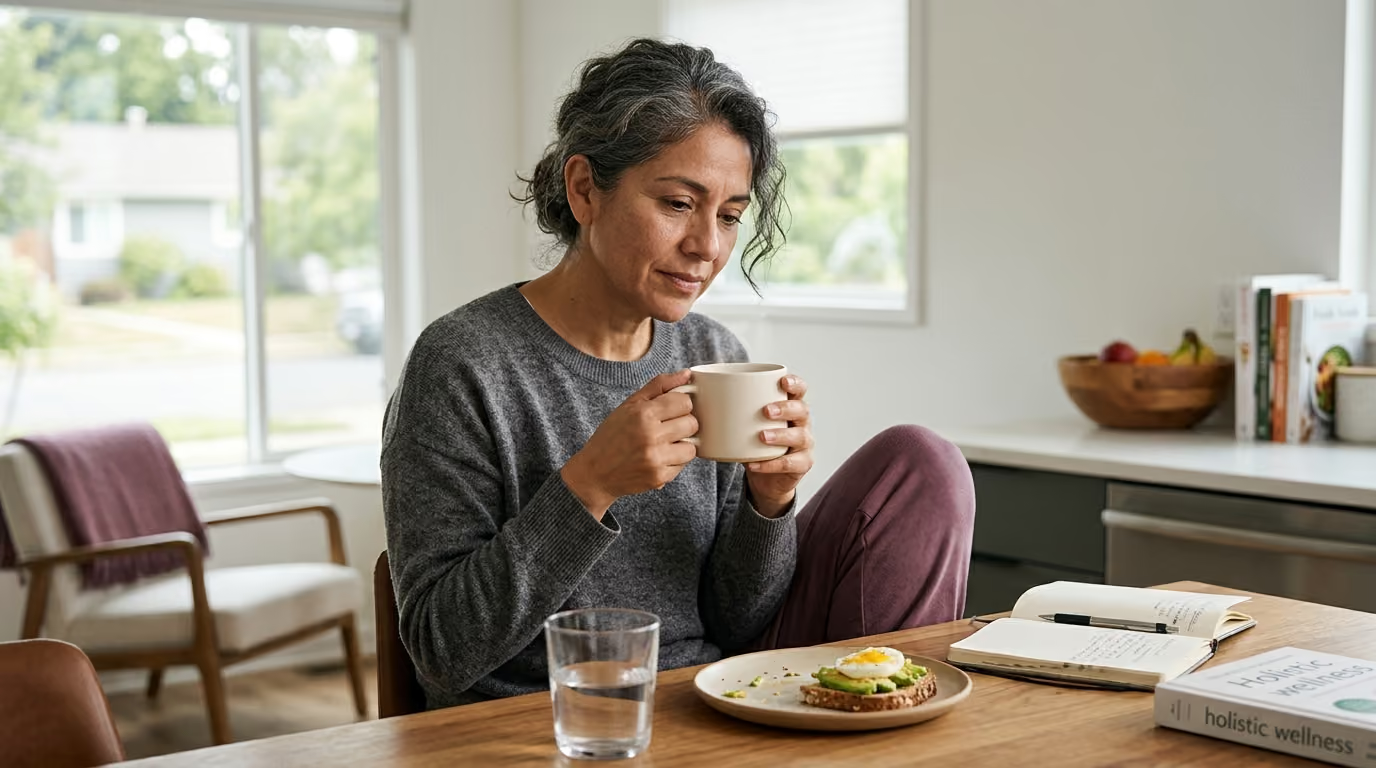

Greater comfort and sexual satisfaction become achievable in midlife by adapting personal techniques, managing tissue changes, and selecting the right supportive intimate products.





A woman in her late forties reaches for a familiar personal vibrator on a quiet morning. She notices that the sensation feels unexpectedly sharp, or perhaps that reaching arousal takes twice as long as it did five years ago. She may wonder if her body is shutting down, if her sex life is quietly coming to an end, or if self-pleasure even makes sense for her anymore. These thoughts are common, but they reflect a lack of clear information rather than a biological dead end.
Midlife brings real physical changes, but it does not remove your capacity for pleasure. The shift through perimenopause and postmenopause alters how vulvovaginal tissues respond to touch, blood flow, and friction. Understanding these physiological shifts allows you to adapt your routine rather than give up on self-touch. Self-pleasure in midlife is an optional tool for body knowledge, stress release, and intimate comfort. It is never a duty, a medical obligation, or a test of your youthfulness.
Credible data shows that sexual pleasure remains a meaningful part of life for many women as they age. A nationally representative study of American women aged 40 to 65 found that postmenopausal women experienced orgasm during masturbation at rates comparable to younger age groups. The same report noted that orgasm occurred roughly 81% of the time during self-pleasure across various stages of the menopause transition. Furthermore, many midlife participants reported that the overall quality of their orgasms had improved over the preceding decade.
At the same time, patterns of self-pleasure often shift across the menopausal transition. Large observational studies, such as the Study of Women's Health Across the Nation, indicate that masturbation frequency sometimes increases during early perimenopause before declining in the postmenopausal years. Researchers attribute these shifts to a blend of fluctuating hormones, changing relationship dynamics, physical comfort levels, and shifting stress levels.
To evaluate these research findings accurately, it helps to break sexual function into distinct components rather than viewing it as a single drive. Clinical researchers assess six primary areas:
Separating these elements makes it easier to understand what is happening in your body. You might experience low spontaneous desire yet still experience deep physical pleasure once you begin touching yourself. Alternatively, you may have high mental desire while experiencing physical discomfort that requires practical management. Understanding these distinct pathways prevents you from mistaking a simple tissue issue for a permanent loss of sexuality.
For more foundational insights on navigating hormonal shifts across midlife, explore our dedicated guide on perimenopause and menopause articles.
The hormonal shifts of midlife directly alter the anatomy and physiology of the pelvic region. As ovarian production of estrogen and progesterone fluctuates and eventually declines, the tissues of the vulva, vagina, and urethra undergo specific physical structural changes. Recognizing these shifts helps demystify why self-pleasure may feel noticeably different than it did in earlier decades.
The primary driver of these physical changes is the reduction of circulating estrogen. Estrogen maintains the thickness, elasticity, and moisture of the vulvovaginal lining. When estrogen levels fall, several predictable tissue adjustments occur:
These combined tissue changes are clinically recognized as Genitourinary Syndrome of Menopause. This term describes a collection of vulvovaginal, urinary, and sexual symptoms caused by lower estrogen levels. Symptoms can include vulvar itching, burning, dryness, feeling light friction as painful tearing, and experiencing more frequent urinary urgency or irritation.
Because Genitourinary Syndrome of Menopause affects both internal and external structures, it can alter how self-pleasure feels. Direct clitoral touch that used to feel delightful might now feel overly intense or sharp due to thinner surface tissue. Internal penetration that was once effortless may feel tight, dry, or abrasive. These changes are physical realities, not psychological failings or proof that your body is broken.
Arousal speed also changes during this transition. Blood flow to the erectile tissues of the clitoris takes longer to build up in an estrogen-low environment. This means that achieving comfortable engorgement requires more time, deliberate touch, and adequate warmth. Expecting your body to respond instantly can lead to frustration and friction, whereas allowing extra time creates a far more comfortable experience.
To read more about maintaining comfort and body confidence as your physical needs evolve, browse our collection of sexual wellbeing resources.
Managing friction is the most critical step for comfortable self-pleasure in midlife. Delicate vulvar tissues require thoughtful lubrication to prevent microscopic tears, burning, and post-activity soreness. Improving comfort involves establishing a practical baseline for pelvic tissue care and choosing the right products for sexual play.
The most vital distinction to make is between a lubricant and a vaginal moisturizer. These two product categories perform completely different roles in intimate care, and confusing them often leads to ongoing discomfort:
When selecting a personal lubricant for self-pleasure, product composition matters significantly. Thinning menopausal tissues are especially sensitive to chemical irritants and high osmolality. High-osmolality lubricants draw moisture out of delicate skin cells, causing irritation, cell breakdown, and burning sensations.
To keep your tissues comfortable and healthy, follow this checklist when purchasing intimacy products:
Water-based lubricants are versatile, clean up easily, and are safe to use with all device materials and latex barriers. However, water-based formulas can evaporate or absorb quickly, requiring reapplication during longer sessions. Silicone-based lubricants provide long-lasting glide and do not absorb into skin, making them ideal for sensitive or dry tissues. Note that silicone lubricants should not be used with silicone devices, as they can degrade the surface over time.
Natural oils such as pure coconut oil or sweet almond oil offer an effective, low-irritant alternative for pure hand-to-vulva stimulation. However, oils must never be used with latex condoms or latex barriers, as they rapidly break down latex fibers. Oils can also trap heat or disrupt natural flora in women prone to recurrent yeast imbalance. Testing any new oil on your inner forearm first is a wise precaution.
For broader perspectives on supporting physical resilience through midlife health habits, see our articles on nutrition and weight management.
Using the exact same touch patterns, speeds, and pressure levels at age fifty that you used at twenty-five often leads to frustration. As tissue sensitivity shifts, relying on old habits can cause numbness or discomfort. Embracing new techniques allows you to tune into your current nervous system rather than trying to force an old response.
A common pattern in midlife is the "same technique trap." Women often apply harder pressure or faster speeds when arousal feels slow, assuming that stronger input will force a quicker reaction. On thinner tissues, this added force usually causes soreness or triggers a reflexive tightening of the pelvic floor muscles. Slower, broader, and more gradual stimulation is generally much more effective.
Consider making these structural adaptations to your self-pleasure routine:
Orgasm patterns can also shift during perimenopause and postmenopause. You may notice that orgasms take longer to build, feel localized rather than systemic, or feel like a series of gentle waves rather than an intense peak. Conversely, some women report richer, deeper orgasms once they are free from contraception worries or monthly hormonal shifts. Neither pattern is superior; both are normal expressions of midlife nervous system response.
Releasing the expectation that every session must end in orgasm can dramatically improve your experience. Self-pleasure provides real nervous system benefits without requiring a specific physical peak. Gentle touch releases endorphins, improves localized blood circulation, reduces resting tone in tight pelvic muscles, and supports restful sleep. Approaching touch as an exploratory practice removes performance pressure and restores genuine pleasure.
Personal devices can be valuable allies during midlife. Vibrators, air-pulsation devices, and ergonomic tools provide consistent stimulation without straining tired hands, wrists, or thumbs. Research published in pelvic health literature indicates that regular vibrator use can support pelvic floor blood flow, improve tissue responsiveness, and support overall intimacy satisfaction.
However, selecting and using devices safely requires basic care, particularly when tissues are sensitive or thin. To navigate device choices confidently, consider these core recommendations:
Select non-porous, medical-grade materials such as 100% silicone, ABS plastic, or body-safe glass. Avoid inexpensive jelly rubber, vinyl, or scented plastics, which contain phthalates and chemical plasticizers that can leach into thin skin and cause severe burning or allergic reactions.
Air-pulsation devices use soft waves of air pressure to stimulate the clitoris without direct physical friction. This style is often ideal for menopausal women because it minimizes tissue friction while delivering effective stimulation. Traditional vibrating wands provide deep tissue sensation, but they should be used on low settings to avoid temporary numbness.
If you enjoy internal stimulation, select slender, flexible shapes made from smooth silicone. Avoid large, rigid, or deeply textured devices if you experience any tightness at the vaginal opening. Always select devices with a wide, flared base for safety if exploring anal stimulation.
Clean devices before and after every single use using warm water and a specialized antibacterial toy cleaner or mild, fragrance-free soap. Never submerge motor compartments unless the manufacturer explicitly certifies the item as fully waterproof. Allow items to air dry completely before storing them in breathable cotton bags.
If you use devices with a partner, practice meticulous hygiene to protect your natural flora. Never transition an insertable device from the anal area to the vaginal area without thoroughly washing it first or changing the latex barrier. Bacterial transfers can quickly cause stubborn urinary tract infections or bacterial vaginosis, particularly in menopausal environments where protective lactobacilli populations are lower.
If you notice temporary numbness after using a high-powered vibrator, do not panic. This is a normal, short-term nerve reaction to intense vibration. Simply turn down the power setting, shorten your sessions, or place a layer of clothing between the device and your skin. Persistent numbness that lasts for hours after play indicates that you need to reduce vibration strength significantly.
To explore additional resources focused on physical vitality and well-being, visit our section on strength, body composition, and metabolism.
Solitary self-pleasure exists alongside partnered relationships, and its role often evolves in midlife. Some women use masturbation to maintain a personal connection with their body when a partner is unavailable, experiencing health issues, or managing low libido. Others use self-touch to discover what rhythms and angles feel good before showing those techniques to a partner.
A common point of tension in relationships occurs when one partner misinterprets self-pleasure as a sign of rejection or betrayal. Clear, neutral communication helps reframe masturbation as healthy body care rather than a dynamic of rejection:
Privacy can also present practical challenges in midlife. Homes are often busy with teenager routines, adult children moving back home, or aging parents moving in. Finding uninterrupted personal time requires simple planning:
Remember that you are entitled to physical privacy at any age. Enjoying private time with your own body is a normal component of self-care that requires no justification or permission.
While shifts in sensation, timing, and lubrication are expected parts of midlife, physical distress, pain, and bleeding are not things you simply have to endure. Knowing when to step back from self-care and consult a knowledgeable healthcare provider protects your health and helps you find targeted solutions.
Schedule a clinical review with a gynecologist, menopause specialist, or qualified healthcare provider if you experience any of the following warning signs:
Postmenopausal bleeding deserves specific attention. Any vaginal bleeding occurring twelve months or more after your final period requires medical evaluation. While post-touch spotting may turn out to be a simple tissue scratch from a fingernail or low estrogen dryness, a clinician must rule out uterine or cervical causes. Do not assume postmenopausal bleeding is harmless friction.
For persistent tissue dryness and thinness, professional care offers effective, evidence-aligned treatments. Low-dose vaginal estrogen (available as creams, small tablets, or flexible rings) delivers localized estrogen directly to pelvic tissues. This treatment restores epithelial thickness, improves blood flow, and restores natural tissue moisture with minimal systemic absorption.
If you have a history of hormone-sensitive cancers, such as breast or endometrial cancer, nonhormonal options are usually evaluated first. If nonhormonal measures prove insufficient, consult your oncology team and gynecologist to evaluate localized treatments based on your medical history.
To connect with additional educational tools and symptom guides, view our full menopause and midlife resources.
It is equally important to recognize where research claims end and marketing hype begins. The commercial wellness industry frequently promotes products using exaggerated health claims that go far beyond existing research.
Be mindful of these common industry marketing claims:
Approaching new products with practical critical thinking protects both your money and your delicate skin tissues. Focus on simple, evidence-backed fundamentals: low friction, gentle pressure, body-safe materials, and prompt medical care when physical discomfort persists.
Revisit this practical resource whenever you experience a shift in your pelvic health, such as transitioning from perimenopause to postmenopause, starting a new medication, or recovering from surgery. It is also helpful to re-read these steps if you notice new friction, purchase a new personal device, or want to refresh your knowledge on product ingredients.
Self-pleasure in midlife is a personal tool for physical comfort, autonomy, and body appreciation that remains available whenever you choose to draw upon it.
Midlife changes your body's physical needs, but it does not diminish your capacity for intimacy and pleasure. By managing friction, adapting your touch, selecting safe products, and seeking clinical support when needed, you can enjoy a comfortable, confident relationship with your body through every stage of life.

Follow Refemina for research-led resources on hormonal change, strength, metabolism, nutrition, skin, intimate wellbeing and confidence through midlife.


Keep learning about the changes that shape energy, strength, confidence and wellbeing through midlife.
Explore Resources