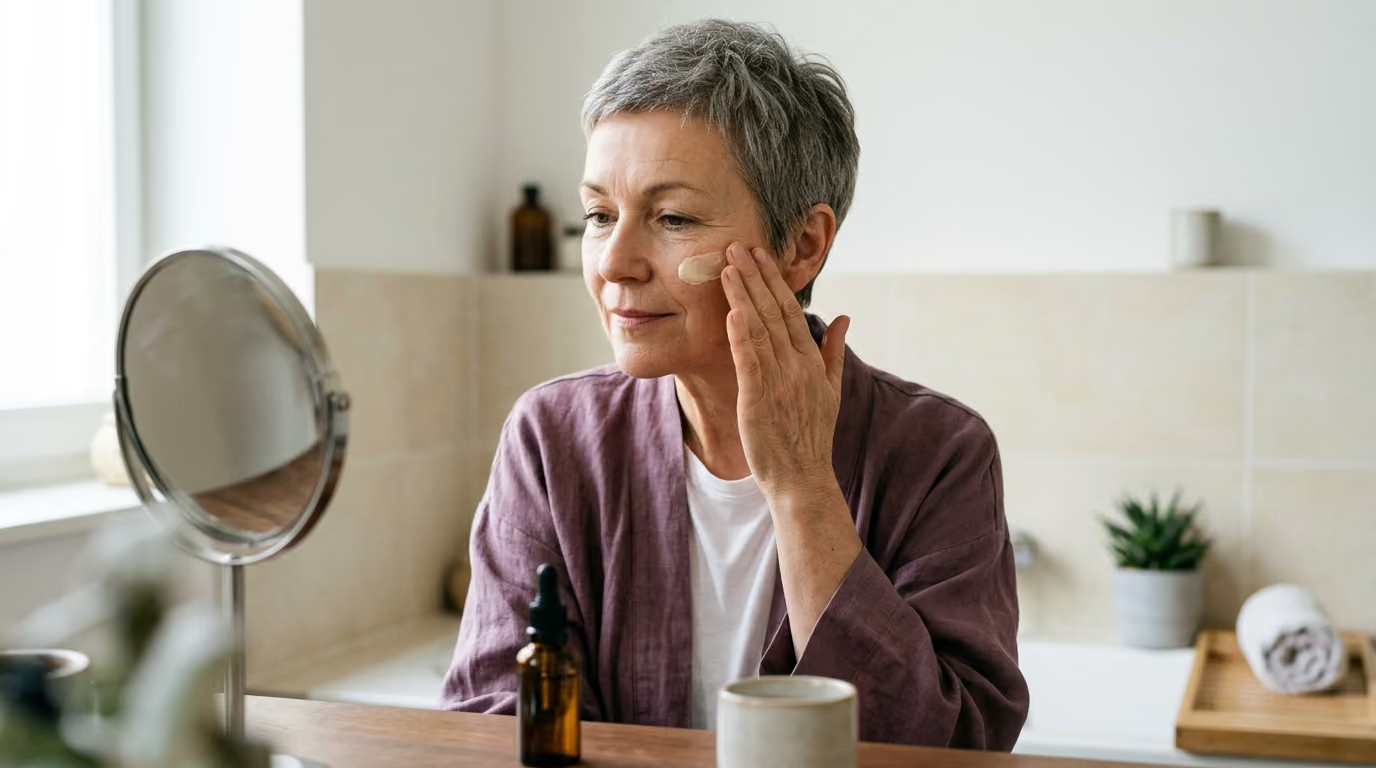

Lasting relief from menopausal dryness and heightened reactivity comes from repairing the skin barrier with targeted humectants, replenishing emollients, and protective occlusives.





You wake up to find your skin feeling tight, itchy, and irritated by products you used for years without trouble. A search for "menopause dry skin sudden sensitivity" brings up thousands of conflicting remedies, miracle claims, and anti-aging jars. This comprehensive guide provides clear, clinical answers on why your skin barrier changes during midlife and how to repair it without unnecessary products.
The outer layer of your skin faces real biological shifts during the menopausal transition. Estrogen plays a direct role in maintaining epidermal moisture, cellular turnover, and natural lipid production. When circulating hormone levels drop, the stratum corneum loses water faster, natural sebum declines, and the underlying dermal structure thins.
Treating this transition does not require an endless collection of aggressive anti-aging serums. The goal is simple: reduce irritation, restore hydration, and seal in natural lipids so your skin can function comfortably again. You can read more about caring for your appearance in our collection of skin, hair and aesthetic aging articles.
Research confirms that skin changes are among the most widespread physical symptoms reported during the menopausal transition. Clinical surveys show that a vast majority of midlife women experience noticeable shifts in skin texture, moisture levels, and comfort. Understanding these findings helps separate standard biological transitions from isolated skin disorders.
In a clinical study published in the British Journal of Dermatology evaluating patients at a dedicated menopause clinic, every participant reported at least one cutaneous symptom. Itchiness affected 78 percent of respondents, while dry skin was reported by 76 percent. Another survey across menopause clinics documented dry skin in 78 percent of women and itchiness in 75 percent. Vulval symptoms were also prominent in that group, including dryness in 66 percent, itchiness in 55 percent, and persistent soreness in 41 percent.
Large patient surveys outside specialty clinics demonstrate similar patterns across broader populations. In a survey of 1,457 menopausal respondents, 36 percent classified their skin problems as a dominant or major daily symptom. Moderate to severe symptoms were reported by 46 percent of the participants. Within that same cohort, 70 percent experienced dry skin, 64 percent reported itching, 55 percent noted reduced skin elasticity, and 35 percent dealt with facial redness.
A wider survey examining postmenopausal skin changes showed that 82.7 percent of respondents noticed at least one distinct skin shift after menopause. Dryness appeared in 60.2 percent of those participants, while deepening wrinkles appeared in 45.9 percent. An observational study of 150 postmenopausal women identified xerosis in 78 percent and pruritus in 46 percent.
These data points reflect patient-reported symptoms and clinical examinations rather than mere commercial beauty surveys. Estrogen receptors are distributed throughout the dermis, epidermis, and blood vessels. When hormone concentrations fall during perimenopause, the biological machinery that retains water and supports elasticity slows down. The resulting dryness is a physiological change in barrier function rather than a superficial aesthetic flaw.
The skin barrier operates through a precise biological architecture often compared to bricks and mortar. The corneocytes act as structural bricks, while intercellular lipids serve as the mortar that locks moisture in and keeps irritants out. These lipids consist of ceramides, cholesterol, and free fatty acids arranged in organized lamellar sheets. When this structure is intact, it prevents excessive transepidermal water loss and blocks environmental allergens.
Estrogen regulates several enzymatic pathways that synthesize these critical barrier lipids. As estrogen levels decline during the menopause transition, the production of ceramides and surface sebum decreases significantly. Without adequate lipid mortar, microscopic gaps appear between the corneocytes. Water evaporates outward into the air, and airborne irritants penetrate deeper into living tissue layers.
Below the stratum corneum, estrogen supports fibroblasts, the specialized cells responsible for producing collagen, elastin, and glycosaminoglycans. Glycosaminoglycans, including hyaluronic acid, are large sugar molecules that hold up to a thousand times their weight in water. They form a resilient gelatinous ground substance that cushions the skin and keeps it supple.
As ovarian hormone production slows, glycosaminoglycan synthesis decreases steadily. The dermis loses its internal water reservoir, which reduces structural fullness and surface firmness. At the same time, dermal collagen synthesis declines significantly in the initial postmenopausal years. This combined loss of collagen scaffolding and water-binding sugars makes the skin physically thinner, less elastic, and more vulnerable to shearing forces.
Estrogen plays a key regulatory role in dermal immune function and inflammatory control. In an estrogen-deficient state, local cutaneous immune responses shift toward a more reactive baseline. The skin produces higher levels of pro-inflammatory signaling molecules when challenged by everyday environmental stressors.
This heightened immune reactivity is paired with changes in superficial sensory nerve endings. When the stratum corneum dries and develops micro-fissures, peripheral nerve fibers are exposed directly to temperature changes, sweat salts, and topical chemicals. The result is a sensation of persistent burning, prickling, stinging, or unprovoked itching.
Natural moisturizing factors are water-soluble compounds found inside corneocytes, including amino acids, pyrrolidone carboxylic acid, and urea. These hygroscopic compounds absorb atmospheric moisture and retain water within the cells. During midlife, decreased epidermal enzyme activity impairs the proper breakdown of filaggrin, the parent protein of natural moisturizing factors.
When natural moisturizing factor levels drop, corneocytes become brittle, shrink, and detach unevenly from the skin surface. This uneven shedding causes the rough, flaky texture typical of mature xerosis. The skin loses its natural flexibility, leading to sensations of tightness, especially after washing or exposure to cold, dry air.
Understanding the clinical reality of midlife skin helps women navigate daily routines without frustration or self-blame. A woman who managed oily or acne-prone skin in her thirties may suddenly find her face parched, sensitive, and stinging in her late forties. These changes reflect shifting physiology rather than poor hygiene or incorrect lifestyle choices. Explore our full library of perimenopause and hormonal transition guidance for wider context.
A frequent source of distress in perimenopause is the sudden intolerance of long-used personal care items. Products that once delivered a smooth finish, such as glycolic acid toners, scented cleansers, or high-strength retinoids, begin to produce burning and blotchiness. This does not mean the user has developed a sudden allergy to every ingredient. Rather, the protective barrier has become porous, allowing common ingredients to penetrate too quickly and trigger sensory nerves.
When products sting upon application, it is a signal that the epidermal barrier is compromised. Continuing to apply harsh formulations in an attempt to resurface the skin will worsen inflammation and accelerate water loss. Halting active treatments allows the lipid bilayer to rest and rebuild its baseline defenses.
Aggressive beauty marketing often tells midlife women to fight visible aging by layering multiple active treatments at once. A typical routine might combine a foaming cleanser, vitamin C serum, chemical exfoliant, retinol cream, and fragranced firming lotion. In skin with reduced estrogen support, this multi-step approach overwhelms the tissue.
The resulting irritation presents as tight, red, flaking patches that are frequently mistaken for simple dryness. Many women respond by scrubbing harder or adding more exfoliants, believing they need to remove dead skin cells. This creates a destructive cycle where repeated exfoliation strips away the few protective lipids the stratum corneum has managed to produce.
Pruritus, or persistent itching, is a major daily complaint during perimenopause and menopause. Dryness compromises the physical barrier, allowing external triggers like wool fabrics, dry indoor air, or laundry detergents to provoke intense sensations of itch. When a woman scratches, fingernails cause micro-trauma to the superficial skin layers.
This physical trauma triggers a local release of histamine and inflammatory cytokines, which heightens the sensation of itching. The cycle becomes self-reinforcing, disrupting daytime concentration and disturbing restorative sleep. Calming this cycle requires barrier-replenishing topical care rather than willpower alone.
Repairing a depleted skin barrier requires an evidence-based selection of ingredients that replicate the natural lipid bilayer, draw in hydration, and prevent evaporation. Effective moisturizers combine three distinct functional classes: humectants, emollients, and occlusives. Using a single class in isolation rarely delivers lasting relief to menopausal skin.
Humectants are water-loving molecules that pull water from the deeper dermis and ambient air into the outer stratum corneum. For menopausal skin, specific humectants provide substantial hydration benefits when paired with protective top layers:
Emollients are lipid-based substances that soften rough, scaling skin by filling the micro-voids between shedding corneocytes. They improve flexibility, reduce friction, and restore a smooth texture:
Occlusives form a physical, hydrophobic film over the stratum corneum that prevents moisture from evaporating into the environment. They are indispensable for menopausal skin experiencing high transepidermal water loss:
Certain non-lipid ingredients provide targeted anti-inflammatory and soothing support for reactive midlife skin:
For more evidence-based approaches to aging skin, check out our evidence-based skin and aesthetic aging resources.
How you wash your skin is just as important as the moisturizers you apply. Traditional bathing routines that felt fine in early adulthood can strip away essential lipids during midlife. Adjusting water exposure and cleansing mechanics protects fragile skin and preserves natural moisture.
Hot water dissolves and strips the natural surface sebum that protects the skin. Taking long, steaming showers softens the stratum corneum excessively, washing away natural moisturizing factors and accelerating water loss.
Dermatology guidelines consistently advise keeping bathing sessions under ten minutes. Water should feel comfortably warm or lukewarm rather than hot. Reducing shower frequency or alternating full showers with targeted sponge bathing can prevent severe winter drying on the arms and legs.
Standard bar soaps and heavily foaming body washes contain harsh surfactants that elevate the skin's natural acidic pH. True soap has an alkaline pH of 9 to 10, which disrupts the skin's normal acid mantle of 4.5 to 5.5. This pH shift deactivates the enzymes needed for natural ceramide synthesis and encourages bacterial imbalances.
Switch to syndet bars or non-foaming, lotion-based cleansers formulated specifically for dry, sensitive skin. These products use gentle, non-ionic surfactants that clean without stripping intercellular lipids. Wash only areas with concentrated sweat glands, such as underarms and groin, while allowing plain water to rinse over dry limbs.
The timing of moisturizer application directly influences how much water the stratum corneum retains. When you step out of the shower, water begins evaporating from the skin surface immediately, pulling deeper moisture with it.
Pat the skin lightly with a soft cotton towel, leaving a thin film of dampness on the surface. Within three minutes of exiting the shower, apply a rich cream or ointment over your entire body. This traps the residual surface moisture underneath a protective layer of emollients and occlusives, preventing rebound dryness.
Not all midlife skin changes are simple consequences of hormonal aging. Several chronic inflammatory, allergic, and systemic conditions become more common during midlife, presenting with dryness, itching, or redness. Knowing when a skin problem requires prescription therapy or clinical evaluation prevents months of ineffective cosmetic experimentation.
Rosacea frequently appears or intensifies during perimenopause, often mistaken for simple dryness or hot flash flushing. While xerosis causes fine scaling and tightness across the cheeks and limbs, rosacea causes central facial redness, stinging, visible blood vessels, and inflammatory bumps.
Applying heavy facial oils or harsh exfoliating scrubs to rosacea will trigger inflammatory flares and worsening broken capillaries. If facial flushing is accompanied by intense burning, persistent central redness, or pustules, a medical evaluation from a dermatologist is necessary to explore targeted topical medications.
Because a compromised skin barrier permits deeper penetration of environmental substances, midlife women experience higher rates of contact dermatitis. Irritant contact dermatitis occurs when a harsh substance, like an acid or detergent, directly damages the epidermal surface. Allergic contact dermatitis is an acquired immune response to an allergen, such as fragrance, methylisothiazolinone preservatives, or essential oils.
If a new product causes localized swelling, small water blisters, intense itching, or weeping patches, discontinue all skincare items immediately. A dermatologist can perform diagnostic patch testing to identify the exact chemical allergens triggering your immune system.
Certain anatomical areas present unique barrier vulnerabilities that require modified care strategies:
The vulval and vaginal tissues possess high concentrations of estrogen receptors. Genitourinary syndrome of menopause causes marked thinning, dryness, and fragility of the vulvovaginal epithelium. It affects over half of postmenopausal women, yet it is frequently suffered in silence.
Vulval itchiness and soreness must not be dismissed as simple cosmetic dryness. These symptoms can stem from genitourinary syndrome, contact dermatitis, yeast infections, or chronic inflammatory conditions like lichen sclerosus. Lichen sclerosus causes progressive architectural changes, white plaques, and painful fissuring that require prescription high-potency topical corticosteroids to prevent scarring.
If you experience persistent genital itching, burning, soreness, or skin changes, schedule a dedicated evaluation with a gynecologist or dermatologist. For broader context on intimate wellness, read our guidance on sexual wellbeing and midlife confidence.
Inflammation presents differently across varied skin phototypes. In deeper skin tones, erythema or redness may not appear distinctly pink or red. Instead, inflammation often presents as hyperpigmented dark brown, violaceous, or grayish-slate patches.
Post-inflammatory hyperpigmentation is a major risk when barrier disruption or scratching occurs in melanated skin. Aggressive treatments, rough washcloths, and scratching can leave dark marks that persist for months after the initial dryness heals. Focus on calm, friction-free moisturizing and non-irritating mineral sunscreen to protect against persistent hyperpigmentation.
Seek prompt clinical evaluation from a primary care provider or dermatologist if you notice any of the following symptoms:
Real-world scenarios show how midlife women encounter skin barrier breakdowns and recover their skin comfort through simple, structured adjustments. These illustrative models show how barrier-first principles work in everyday life.
A 49-year-old woman in perimenopause noticed dullness and fine crinkling around her eyes and cheeks. She started a new routine containing a foaming glycolic cleanser, a 15 percent vitamin C serum, a prescription retinoid, and a scented peptide cream. Within two weeks, her cheeks felt hot, tight, and began flaking, with sudden stinging whenever she applied any cream.
The Underlying Issue: The patient introduced multiple active exfoliants and cell-turnover agents while her baseline barrier was naturally losing lipids. The rapid loss of moisture and compromised stratum corneum allowed the acids and retinoids to penetrate too deeply, triggering an irritant dermatitis.
The Recovery Protocol:
A 54-year-old postmenopausal woman experienced intense, burning itch on her lower legs every winter. Her daily habit included twenty-minute hot showers while scrubbing her shins with a loofah and fragranced body wash. Her legs showed dry, crisscross scaling resembling cracked porcelain, leading to intense nighttime scratching.
The Underlying Issue: Prolonged hot water exposure combined with surfactant-heavy body wash and physical loofah abrasion removed all residual surface lipids. Low indoor winter humidity accelerated transepidermal water loss, exposing sensory nerve endings on the shins.
The Recovery Protocol:
A 51-year-old woman noticed her skin felt parched by mid-afternoon. She purchased a pure hyaluronic acid serum and applied it three times daily to dry skin without an overlying moisturizer. After several days, her face felt tighter and began stinging upon application.
The Underlying Issue: Applying a pure humectant in a low-humidity environment without an overlying emollient or occlusive pulls water from the deeper living dermis toward the surface, where it evaporates into the dry air. This worsens deep dehydration and compromises the barrier.
The Recovery Protocol:
Separating solid dermatologic evidence from aggressive commercial marketing is essential for midlife skin health. The beauty industry regularly markets products using terms that lack standard regulatory definitions. Understanding the limits of current research protects you from ineffective, costly treatments.
Products marketed as "clean," "all-natural," or "botanical" are often assumed to be non-irritating for sensitive midlife skin. However, plant extracts, citrus distillates, tea tree oil, lavender, and floral fragrances are frequent triggers of allergic contact dermatitis.
A synthetic, highly refined ingredient like white petrolatum or medical-grade dimethicone has a vastly superior safety profile for reactive skin compared to unrefined plant seed oils. Look for products labeled "fragrance-free" rather than "unscented," as unscented formulas often contain masking fragrances that neutralize chemical odors while still triggering allergic reactions.
Systemic hormone replacement therapy provides well-documented benefits for vasomotor symptoms, bone density preservation, and genitourinary health. Studies indicate that estrogen therapy also supports dermal collagen density, reduces transepidermal water loss, and improves skin thickness in postmenopausal women.
However, systemic hormone therapy should never be prescribed solely as a cosmetic treatment for wrinkles or dry skin. It carries individual medical considerations, benefits, and risks that must be evaluated with a qualified healthcare provider. Topical over-the-counter moisturizers and barrier creams remain the primary, low-risk tools for managing cutaneous dryness regardless of hormone therapy status.
Many commercial moisturizers highlight collagen on their front packaging, implying the product will integrate directly into the skin's collagen network. In reality, collagen molecules are far too large to penetrate the stratum corneum barrier.
When applied topically, collagen functions purely as a humectant film former, binding water on the outer surface of the skin. It cannot migrate into the deeper dermis or rebuild lost connective tissue. Simple, inexpensive humectants like glycerin deliver equivalent surface hydration benefits at a fraction of the cost.
Midlife self-care is about maintaining health, energy, and comfort rather than chasing perfection. For broader perspectives on personal reinvention during this stage of life, visit our articles on mental fitness and midlife confidence.
Caring for dry, sensitive skin during perimenopause and menopause requires shifting from aggressive resurfacing toward consistent barrier preservation. By eliminating irritating products, lowering shower temperatures, and combining humectants with rich lipid creams, you can restore lasting comfort to your skin.
Skin resilience during midlife is rebuilt through gentle, steady habits rather than dramatic overnight interventions. Discover more about our approach to evidence-based wellness by exploring our midlife health publication.

Follow Refemina for research-led resources on hormonal change, strength, metabolism, nutrition, skin, intimate wellbeing and confidence through midlife.


Keep learning about the changes that shape energy, strength, confidence and wellbeing through midlife.
Explore Resources