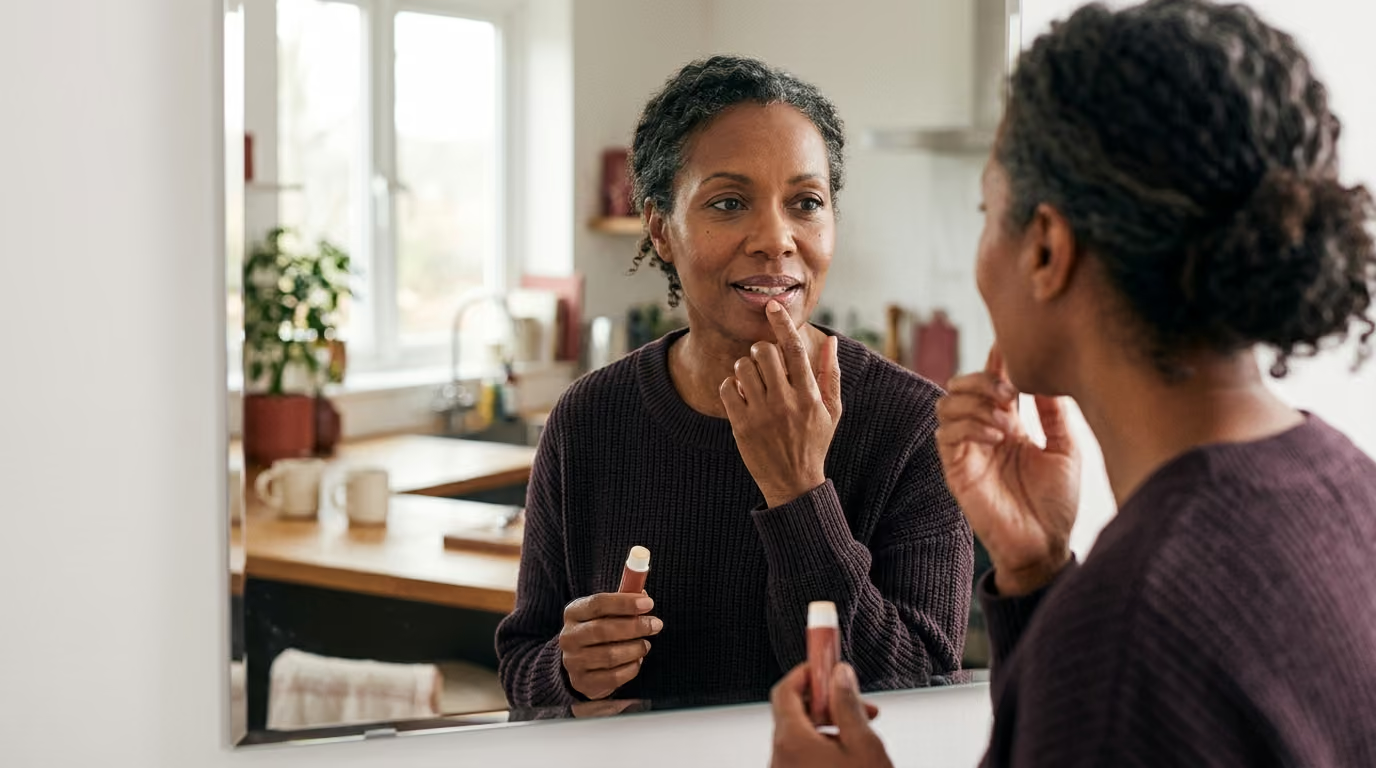

Clear insights into midlife oral changes help you protect your teeth, soothe sensitive gums, maintain lip volume, and manage menopausal dryness effectively.





You wake up with a mouth that feels like sandpaper, or you notice your morning coffee leaves a strange metallic tang. Perhaps your dental floss catches on new spaces between your lower incisors, or your gums bleed when you brush. When you look in the mirror, your teeth seem longer and your lips appear thinner.
If you have searched online to ask whether menopause ruins your teeth, you are not alone. This guide provides a definitive, research-led breakdown of what happens to the mouth during midlife, separating normal physiological shifts from dental disease and cosmetic changes.
Midlife brings substantial hormonal, vascular, and tissue adjustments. Understanding the distinction between subjective symptoms, visible tissue alterations, structural dental disease, and normal facial aging allows you to protect your oral health with clarity and confidence.
The menopausal transition alters tissues throughout the body, and the oral cavity is no exception. Estrogen receptors exist throughout the oral mucosa, salivary glands, and periodontal ligament. When estrogen levels fluctuate during perimenopause and decline after menopause, these tissues experience measurable shifts in vascularity, cellular turnover, and collagen synthesis.
A comprehensive 2025 scoping review of midlife oral health evaluated thirty studies examining how hormonal transitions alter the mouth. The findings highlighted salivary changes, periodontal shifts, alveolar bone density variations, and alterations in the oral microbiome. Rather than showing a single universal disorder, the evidence reveals a complex biological environment where estrogen decline interacts with existing dental history, daily habits, and systemic health.
Across the wider scientific literature, researchers identify four recurring themes during midlife:
Review estimates suggest that periodontal health is affected in up to 60 percent of studied menopausal populations. Dry mouth is reported in roughly 25 percent, while burning sensations occur in approximately 15 percent.
These figures must be interpreted with care. They represent pooled estimates across diverse study populations with varied health profiles rather than a guaranteed outcome for every individual. Estrogen decline increases biological susceptibility, but it does not act in isolation.
Midlife oral health sits at the intersection of biology, pharmacology, and ordinary cumulative wear. While declining hormones play a documented role, daily oral hygiene, prescription medications, stress, sleep disruption, autoimmune factors, and routine dental maintenance remain equally decisive. You can learn more about how midlife transitions affect connective tissues across our skin and aesthetic aging resources.
Saliva is the primary protective fluid of the oral cavity. It delivers calcium and phosphate to remineralize enamel, neutralizes dietary acids, washes away food debris, and supplies antimicrobial proteins that suppress opportunistic fungi and bacteria. When salivary quality or volume drops, every surface inside the mouth becomes vulnerable.
To understand midlife oral changes, one must distinguish between xerostomia and hyposalivation. Xerostomia refers to the subjective feeling of oral dryness. Hyposalivation is the objective, measurable reduction in salivary output.
A woman may experience severe xerostomia while her salivary glands produce a normal volume of liquid. Conversely, another woman may have low salivary flow without reporting extreme discomfort.
Research demonstrates that resting and stimulated salivary flow rates often decline in postmenopausal women compared to younger cohorts. As estrogen decreases, the acinar cells within the salivary glands may alter their secretion patterns. Saliva frequently becomes thicker, more viscous, and less capable of rapid acid clearance.
This biological shift creates practical consequences for oral comfort and tooth preservation:
A dry oral environment also transforms how the mouth responds to common products. Toothpaste formulas with aggressive foaming agents, alcohol-based rinses, cinnamon flavoring, and strong mint extracts can cause stinging. Food items containing modest amounts of spice, salt, or citrus may trigger sudden burning sensations against the delicate lining of the cheeks and palate.
The structural foundation of your smile consists of the gingiva, the periodontal ligament, and the alveolar bone. The alveolar bone forms the specialized ridges of the jaw that hold the tooth sockets. Estrogen plays an active regulatory role in maintaining the balance between bone formation and bone resorption throughout the skeleton, including the jaws.
Systemic bone loss and local oral bone loss share biological pathways. When systemic bone mineral density drops during the menopausal transition, alveolar bone resorption can accelerate if local inflammation is present. Estrogen loss also influences the connective tissue within the gums, reducing cellular turnover and altering local microcirculation.
It is vital to distinguish between standard gingivitis and destructive periodontitis:
Menopausal gingivostomatitis is a historical term used to describe pale, dry, or unusually shiny and sensitive gum tissues observed in some midlife women. While hormonal fluctuations can make gum tissues more reactive to plaque, bleeding gums should never be dismissed as an inevitable symptom of midlife.
Gums that bleed consistently during daily brushing indicate active bacterial inflammation that demands professional periodontal care. Explore our guidance on perimenopause and hormonal change for more on systemic tissue health.
Gum recession happens when the margin of the gum tissue pulls away, exposing the softer root surface underneath. While alveolar bone resorption can contribute to recession, mechanical trauma from stiff toothbrush bristles, anatomical tooth positioning, and prior orthodontic movement also cause the gums to recede. Exposed root dentin lacks protective enamel, making teeth sensitive to temperature changes and vulnerable to root cavities.
Few midlife oral symptoms cause as much frustration as burning mouth syndrome. Also known as glossodynia or stomatodynia, this condition is characterized by an ongoing burning, scalding, or tingling sensation across oral surfaces that look entirely normal upon physical examination.
The sensation most commonly centers on the tip and lateral borders of the tongue, the hard palate, and the inner surface of the lips. The discomfort typically follows a daily pattern: it may start mild upon waking, intensify steadily through the afternoon, and peak in the evening hours without interrupting sleep.
Scientific reviews estimate that burning sensations affect between 10 and 40 percent of perimenopausal and postmenopausal women. The wide variance in these numbers stems from differing diagnostic criteria and study selection methods.
Burning mouth syndrome is a diagnosis of exclusion. It cannot be confirmed simply because a woman is in perimenopause. A comprehensive clinical evaluation must rule out other underlying causes before assigning this diagnosis:
The biological mechanism behind true primary burning mouth syndrome involves neuropathic dysfunction within the small sensory nerve fibers of the oral mucosa. Estrogen acts as a neuroprotective agent; its decline can lower the sensory threshold, causing standard sensations to register as burning pain.
When oral dryness is also present, physical friction from speaking and chewing compounds the nerve irritation. This creates a difficult cycle where discomfort leads to anxiety, which further reduces salivary output and elevates pain sensitivity.
Midlife often brings noticeable changes to the visual appearance of the smile. Many women observe that their teeth look longer, their smile appears darker, or their lips have lost their youthful fullness. While these changes coincide with the menopausal transition, they stem from a combination of tissue remodeling, enamel thinning, and natural facial volume redistribution.
When gums recede due to prior inflammation, aggressive mechanical brushing, or alveolar bone resorption, the tooth roots become visible. Roots have a narrower profile and a yellower hue than anatomical crowns. This root exposure shifts the proportions of the smile, making the central and lateral teeth appear elongated.
Teeth naturally darken with age as the protective outer enamel thins from decades of chewing, acid exposure, and mechanical abrasion. As enamel becomes thinner and more translucent, the underlying yellow dentin reflects more light through the surface.
Existing dental fillings, bonding materials, and porcelain crowns placed decades earlier do not change shade at the same rate as natural tooth structure, creating a patchy, uneven coloration across the arch.
Adult teeth do not remain completely static throughout life. If the underlying alveolar bone support softens or recedes, the constant forces of chewing, swallowing, and nighttime clenching can shift teeth into new positions. Lower front incisors frequently crowd, while upper teeth may flare forward slightly, creating unexpected gaps that trap food particles and collect plaque.
The external lips are bordered by facial skin on one side and wet oral mucosa on the other. The visible pink portion, known as the vermilion border, relies on underlying collagen scaffolding, orbicularis oris muscle tone, and dentoalveolar support.
Midlife lip thinning reflects several overlapping processes:
While hormonal changes reduce systemic skin hydration and elasticity, scientific reviews do not show a simple, direct, menopause-only mechanism that causes the lips to thin. Lip volume shifts represent facial aging rather than an isolated oral pathology.
The wellness and beauty industries often market products promising to restore midlife lips, rebuild gum tissue, or revitalize the smile. It is essential to recognize the biological limits of topicals and aesthetic treatments. Skincare formulations and non-dental cosmetic procedures cannot resolve structural, infectious, or mucosal dental conditions.
Bland petrolatum, mineral oil, or ceramide-rich lip ointments create an effective barrier that prevents transepidermal water loss from the outer lips. However, they do not increase internal salivary flow or resolve intraoral dryness.
Flavored balms containing menthol, camphor, eucalyptus, peppermint, or cinnamon can irritate delicate, thinning tissues, worsening burning sensations and causing contact cheilitis.
Hyaluronic acid injections can restore volume to the vermilion border and soften vertical perioral lines. Lip-plumping glosses containing mild irritants like capsicum temporarily swell surface tissues by triggering local blood flow.
Neither approach treats underlying dry mouth, periodontal pockets, exposed root surfaces, candidiasis, or tooth mobility. Injecting volume over active periodontal disease or unstable teeth risks masking functional problems that need clinical attention.
Whitening strips, abrasive charcoal powders, and peroxide gels lighten extrinsic stains on natural enamel. However, peroxide agents readily penetrate exposed root dentin, triggering severe, sharp tooth sensitivity.
Whitening products will not alter the color of existing composite bonding, porcelain crowns, or exposed roots. Using high-strength whitening kits in an already dry, sensitive mouth can inflame the marginal gums and irritate the tongue.
Porcelain veneers and composite bonding can reshape worn edges, close new gaps, and restore lost visual proportions. However, placing elective cosmetic restorations on teeth with active gum inflammation, untreated cavities, or unresolved nighttime grinding leads to premature restoration failure. Biological stability must always precede aesthetic smile reconstruction.
Estrogen therapy preserves systemic bone density, and long-term observational studies indicate that postmenopausal women using hormone therapy may retain more teeth over time. However, hormone therapy is not an indicated, standalone treatment for dental cavities, dry mouth, or periodontal disease.
Decisions regarding systemic hormone therapy must be made with a physician based on overall symptoms, cardiovascular health, bone density profiles, and individual risk factors. You can review our detailed evidence-based midlife resources to understand how hormone options are evaluated clinically.
Midlife symptoms that manifest inside the mouth often have non-hormonal origins. When a woman enters perimenopause, several medical and lifestyle factors shift simultaneously. Automatically attributing dry mouth, burning, or bleeding to hormones can delay the diagnosis of treatable medical conditions.
According to data from the National Institute of Dental and Craniofacial Research, more than 400 commonly prescribed medications list xerostomia as a primary side effect. In midlife, women are frequently prescribed new medications for blood pressure, depression, anxiety, sleep disruption, allergies, and overactive bladder.
If your mouth becomes noticeably dry shortly after starting a new prescription, the medication is the probable culprit rather than hormone decline alone.
Sjögren's disease is an autoimmune condition that targets the moisture-producing glands, primarily the salivary and lacrimal glands. Its peak incidence occurs in women during their late forties and early fifties, directly overlapping with the menopausal transition.
When severe dry mouth is accompanied by gritty, dry eyes, joint pain, profound fatigue, and recurrent salivary gland swelling, a medical workup for autoimmune markers is warranted.
Shifting metabolic health and insulin resistance can alter salivary composition and reduce fluid flow. Persistent thirst, frequent nighttime urination, recurrent oral thrush, and delayed soft-tissue healing should prompt an assessment of fasting blood glucose and hemoglobin A1c levels. For more on metabolic balance in midlife, read through our nutrition and metabolism guidance.
Oral lichen planus is a chronic, T-cell-mediated inflammatory condition of the oral mucosa that occurs most frequently in middle-aged adults. It often presents as delicate, white, lacy patterns (known as Wickham striae) on the inner cheeks, red erosive patches on the gums, or painful mucosal ulcerations.
Because it causes burning sensations, it is easily mistaken for simple dry mouth or menopausal gingivostomatitis. A clinical examination is necessary to distinguish lichen planus from other mucosal diseases.
Midlife sleep fragmentation, hot flashes, and elevated stress levels frequently coincide with subconscious jaw clenching or tooth grinding during the night. Bruxism places intense mechanical load on the teeth, leading to chipped enamel, morning jaw stiffness, temporal headaches, gum recession, and generalized cold sensitivity. These mechanical symptoms require a custom nightguard rather than hormonal or cosmetic treatments.
Examining real-world clinical patterns illustrates how multiple midlife factors interact inside the mouth, helping you identify when to seek targeted dental or medical care.
An illustrative model involves a 52-year-old woman who notices that her mouth feels sticky and dry at night, followed by the appearance of two new cavities at her routine dental checkup. Her symptoms began three months after her doctor started her on a low-dose antihypertensive and an evening sleep aid.
While she is in perimenopause, her sudden salivary drop is driven primarily by medication side effects. The appropriate response involves a medication review with her physician, transitioning to a high-fluoride remineralizing toothpaste, and using a bedside humidifier.
Consider a 55-year-old woman who notices that her lower front teeth appear longer and sting sharply whenever she sips iced water. A clinical examination reveals three millimeters of gum recession and exposed root dentin, caused by a combination of vigorous brushing with a stiff manual toothbrush and mild underlying bone remodeling.
Cosmetic lip plumping or over-the-counter whitening would worsen her pain. Her care plan involves switching to an ultra-soft electric brush, applying an in-office desensitizing resin, and maintaining regular periodontal cleanings.
In another common pattern, a 58-year-old woman experiences an intense burning sensation across the tip of her tongue and the roof of her mouth that worsens as the day progresses. Her dentist finds healthy, pink tissues with no visible redness, ulcers, or white patches.
Her provider avoids dismissing the complaint, ordering blood tests to evaluate her ferritin, vitamin B12, and blood glucose levels, while advising her to switch to a bland, foaming-agent-free toothpaste.
A 60-year-old woman observes that her dental floss regularly shows blood and that a new space has opened between her upper front teeth. She considers cosmetic dental bonding to close the gap.
However, her dental examination reveals active periodontal pockets measuring five to six millimeters with underlying bone loss. Cosmetic bonding is paused while she completes deep periodontal scaling and establishes an effective interdental cleaning routine to stabilize the supporting bone.
Maintaining oral health through midlife does not require complex routines or expensive specialty gadgets. It calls for gentle, consistent, evidence-backed habits designed to preserve natural enamel, support salivary flow, and keep gum inflammation low.
Aggressive brushing with hard bristles wears away thin enamel and damages delicate gum margins. Use a soft or extra-soft bristled toothbrush, or an electric brush with a built-in pressure sensor. Brush twice daily for two full minutes, holding the bristles at a 45-degree angle toward the gumline using gentle, circular motions.
If you have exposed roots, dry mouth, or a history of frequent cavities, speak with your dentist about prescription-strength high-fluoride toothpaste containing 5,000 ppm fluoride. Alternatively, toothpastes formulated with nano-hydroxyapatite can help occlude exposed dentinal tubules and reduce temperature sensitivity. After brushing at night, spit out the excess paste but avoid rinsing immediately with water, leaving a thin layer of protective minerals on your teeth.
Toothbrush bristles reach only sixty percent of tooth surfaces. The remaining forty percent lies in the interdental space where gum disease and root decay typically begin. Clean between your teeth daily using traditional string floss, interdental brushes sized to your specific spaces, or a pressurized water flosser.
If your mouth feels dry throughout the day, simple behavioral habits provide relief and protect your teeth:
While daily oral hygiene is fundamental, certain signs and symptoms require prompt professional evaluation by a dentist, periodontist, or physician. Oral diseases rarely resolve on their own, and early intervention preserves tooth structure and systemic health.
Schedule a professional dental appointment if you notice:
According to guidance from the National Institute of Dental and Craniofacial Research, any sore, irritation, lump, or thickened area on the lips, tongue, cheeks, or throat that fails to heal after two weeks requires formal clinical assessment.
Other red flag symptoms include white or red mucosal patches, numbness in the lips or chin, persistent hoarseness, difficulty swallowing, or unexplained ear pain. These signs require a thorough examination to rule out dysplasia, infections, or other significant mucosal disorders.
Navigating midlife wellness requires a clear understanding of what scientific research has proven versus where evidence remains early, mixed, or commercially driven.
The relationship between estrogen decline and oral tissue changes is biologically real, but current research has distinct boundaries:
Approaching your oral health with scientific discernment allows you to invest your time, attention, and resources into proven dental care rather than unvalidated cosmetic promises.
You can take practical, evidence-aligned steps this week to evaluate and support your oral health:
The changes you notice in your mouth during midlife are not an inevitable decline, nor are they a cosmetic flaw to conceal. By pairing daily preventive care with timely professional guidance, you can protect your oral tissues, preserve your teeth, and maintain a comfortable, healthy smile through every stage of midlife.

Follow Refemina for research-led resources on hormonal change, strength, metabolism, nutrition, skin, intimate wellbeing and confidence through midlife.


Keep learning about the changes that shape energy, strength, confidence and wellbeing through midlife.
Explore Resources