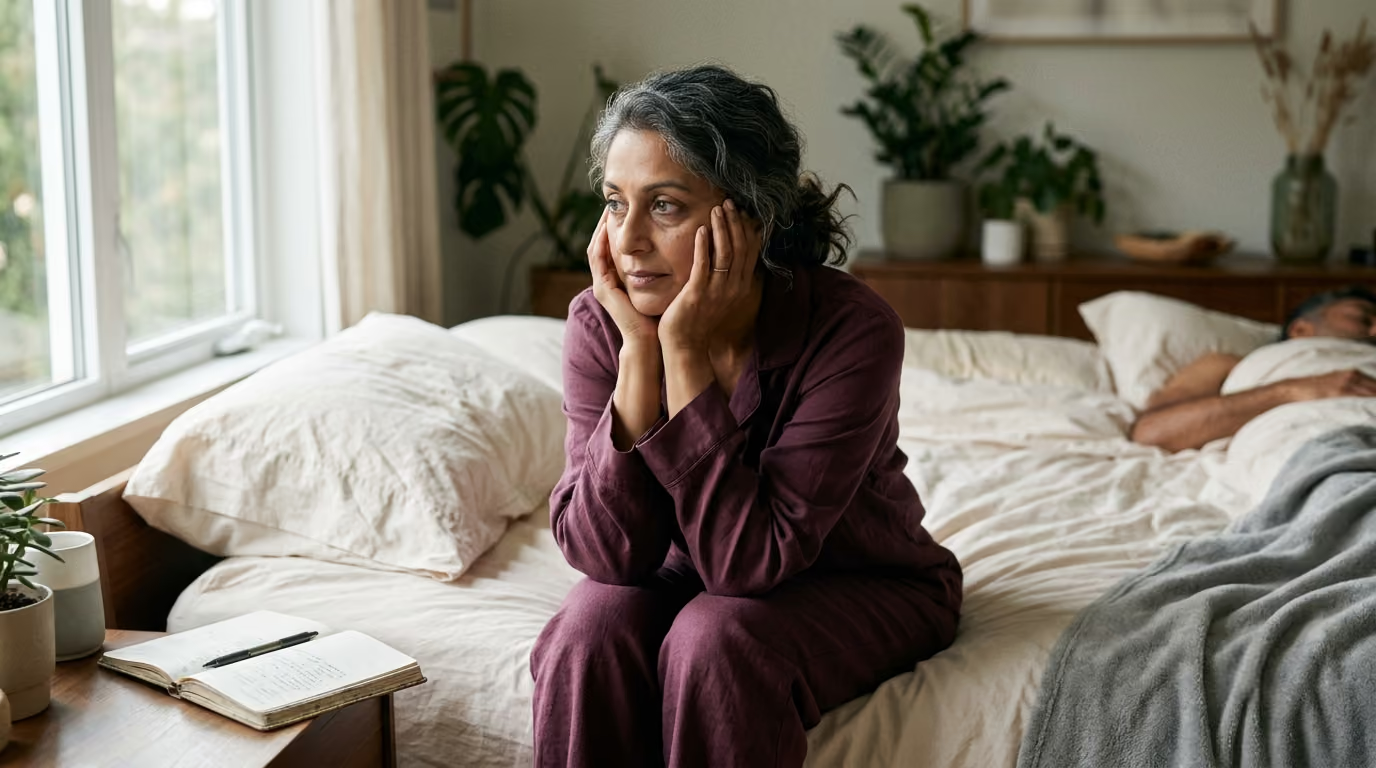

Tossing and turning at night often drains the mental and physical capacity required to cultivate sexual desire during the midlife years.





It is 11:30 PM on a Tuesday. You have been in bed for an hour. Your mind is scrolling through tomorrow's work calendar, aging parent needs, and household tasks. Your body feels heavy with exhaustion, yet your nervous system feels alert. Next to you, your partner reaches out a hand for physical connection. You pull back slightly, feeling guilty, annoyed, and deeply tired. You wonder whether your sexual desire has vanished forever or if you are simply too depleted to care.
This experience is common among women navigating perimenopause and menopause. Many women assume that a drop in sexual interest during midlife is an unavoidable hormonal outcome. Clinical evidence shows a far more dynamic picture. The relationship among sleep quality, chronic stress, physical energy, and sexual wellbeing operates as a two-way street. Physical changes can disrupt sleep and stress management, while exhaustion can make erotic attention nearly impossible to access.
To understand why this happens, it helps to examine how physiological shifts interact with daily life demands. The following analysis breaks down what scientific research shows, how midlife changes alter sleep and stress, and how to practicalize these insights for your overall wellbeing.
Research shows that sleep disturbances affect between 40 percent and 56 percent of women during the menopausal transition. In comparison, sleep difficulties affect around 31 percent of premenopausal women in their late reproductive years. Some global reviews estimate that up to 54 percent of postmenopausal women experience disrupted sleep. These numbers demonstrate that sleep disruption becomes significantly more frequent as reproductive hormones shift.
Large population studies demonstrate that sleep loss directly alters daytime capacity and sexual response. In longitudinal research from the Study of Women's Health Across the Nation, sleep maintenance problems rose from 26 percent in premenopause to over 40 percent in late perimenopause. Sleep architecture changes during this period, leading to lighter sleep, frequent night waking, and less deep restorative rest. When sleep is consistently disrupted, daytime cognitive resources become drained.
Observational studies show a clear link between nightly sleep duration and sexual engagement. In one observational study of women, every additional hour of sleep was associated with a 14 percent increase in the odds of engaging in partnered sexual activity the next day. Longer sleep duration was also tied to greater next-day sexual desire. Conversely, sleeping five hours or less was linked to lower sexual satisfaction and fewer intimate encounters. These findings do not mean adding one hour of sleep acts as a direct libido treatment. They show that baseline physical rest provides necessary fuel for erotic interest.
Research evaluating postmenopausal women with insomnia shows higher rates of low sexual arousal, orgasmic difficulty, and sexual distress. Stress dysregulation appears to play a central role in connecting poor sleep with low desire and genital pain. When the body suffers from continuous sleep debt, stress hormones remain elevated. This physiological state reduces the brain's ability to focus on pleasure, touch, and intimate connection.
To understand more about physical changes across the menopausal transition, you can read our comprehensive perimenopause and menopause guidance.
The midlife transition introduces overlapping biological and environmental demands. Clinicians often refer to this as the interplay between the biological clock and the life clock. The biological clock involves fluctuating estrogen and progesterone levels, shifting circadian rhythms, and physical tissue changes. The life clock encompasses career milestones, teenage children, caregiving for elderly parents, and shifting relationship dynamics.
Hormonal changes directly influence sleep stability and stress resilience. Progesterone has mild sedating effects in the brain, while estrogen helps regulate serotonin and body temperature. During perimenopause, erratic drops in estrogen trigger vasomotor symptoms like hot flashes and night sweats. Studies indicate that 60 to 80 percent of women experience vasomotor symptoms during the transition. Night sweats disrupt sleep continuity, forcing the brain into lighter sleep stages or full awakenings multiple times per night.
Estrogen decline also affects the genitourinary system. Reduced systemic estrogen causes vaginal tissues to lose elasticity, moisture, and blood flow. This condition, known as genitourinary syndrome of menopause, can make physical intimacy uncomfortable or painful. When a woman anticipates pain during intercourse, her body responds by tightening pelvic floor muscles and triggering a stress response. Over time, physical discomfort creates self-protective avoidance, which suppresses sexual interest.
Stress physiology adds another layer to midlife fatigue. Chronic stress keeps the sympathetic nervous system in a state of hyperarousal. Even when you lie down in a dark room, your body remains vigilant. High levels of cortisol and adrenaline interfere with deep sleep recovery. This leaves you feeling wired yet exhausted, a state that directly competes with sexual responsiveness.
To read more on maintaining physical energy and metabolic health during this transition, review our selection of midlife strength and energy resources.
When stress remains unmanaged, the central nervous system struggles to downshift into sleep. Cortisol levels, which should drop in the evening, stay elevated. This keeps heart rate and core body temperature higher than normal.
When a hot flash occurs in a hyperarousal state, the brain reacts with heightened panic or annoyance. Instead of rolling over and falling back asleep, you wake up fully alert. Your mind immediately begins processing worry, work tasks, or relational stress.
Sexual arousal requires a shift in cognitive focus. The brain must turn off external monitoring and shift attention to internal sensory pleasure. Sleep deprivation impairs the prefrontal cortex, which controls emotional regulation and attention shifting.
When you are chronically tired, the brain struggles to filter out distractions. Thoughts about unfinished chores, morning alarms, or bodily discomfort intrusive thoughts dominate. The brain prioritizes survival and basic recovery over erotic engagement.
To understand midlife sexual wellbeing, it helps to separate physical capacity from sexual interest. Many women believe they have lost their libido when they have actually lost their physical and mental bandwidth. Sexual desire requires cognitive focus, emotional presence, and physiological energy. When sleep debt, stress, and physical pain consume your available capacity, erotic interest naturally drops to the bottom of your priorities.
Clinical frameworks distinguish between spontaneous desire and responsive desire. Spontaneous desire is an unprompted sexual urge or fantasy that arises out of nowhere. This form of desire is common in early relationships or periods of high energy. Responsive desire emerges only after affectionate, sensual, or relaxing contact has begun. Many women rely primarily on responsive desire during midlife, especially when carrying heavy physical or emotional loads. Expecting spontaneous desire to appear during periods of exhaustion often leads to unnecessary self-doubt.
To assess your intimate wellbeing, consider the capacity-desire-comfort triad. This framework separates your experience into three distinct questions:
Separating these three elements prevents you from viewing every sexual change as a fundamental loss of interest. If capacity is low due to severe sleep loss, addressing sleep recovery is the first logical step. If comfort is missing due to vaginal dryness, addressing tissue health takes priority.
To explore more articles on communication and sexual health, visit our collection of sexual wellbeing and intimate confidence articles.
Responsive desire is a healthy biological response pattern. It does not indicate a lack of love or sexual dysfunction. It simply means your system needs safety, physical relaxation, and sensory warmth before turning on sexual motivation.
When you are depleted, expecting your brain to generate spontaneous sexual urges is unrealistic. Understanding responsive desire allows you to create conditions for closeness without waiting for a random surge of libido.
Midlife women frequently manage complex household schedules, professional goals, and family healthcare. This invisible mental load creates ongoing cognitive strain.
By the end of the day, the brain reaches maximum decision fatigue. Adding physical intimacy as another task on a late-night list breeds resentment. True desire requires space where no one is demanding performance or management.
Examining real-world scenarios helps clarify how sleep, stress, and physical changes interact. The following illustrative models show common patterns women encounter during midlife.
A 49-year-old woman experiences frequent night sweats and wakes up three times every night. She wakes up exhausted and relies on caffeine to get through her workday. At night, she avoids physical contact with her partner because she feels too tired for conversation or intimacy.
Her sexual interest is suppressed by a lack of physical capacity. Her night sweats disrupt sleep architecture, leaving her in a chronic state of fatigue. Treating her vasomotor symptoms and restoring sleep continuity often restores her baseline interest without needing specific libido treatments.
A 56-year-old postmenopausal woman still experiences sexual fantasies and feels warm toward her partner. However, she pulls away from physical intimacy because sexual entry causes sharp burning pain.
Her primary challenge is physical discomfort caused by genitourinary tissue changes. Her underlying desire is intact, but her brain naturally avoids activities associated with physical pain. Addressing vaginal dryness and tissue fragility removes the barrier to her existing desire.
A 45-year-old woman manages a demanding job while caring for her aging mother. She arrives in bed completely depleted. Her partner misinterprets her lack of sexual initiation as emotional rejection, leading to bedtime arguments.
The main issue is a mismatch between physical capacity and partner expectations. The partner's frustration creates an environment of pressure, making bedtime a source of anxiety rather than rest. Open communication that distinguishes physical exhaustion from personal attraction helps reduce relationship tension.
A 53-year-old woman sleeps seven hours per night, feels physically energetic, and reports no pain or relationship conflict. Yet she has felt zero sexual interest, spontaneous or responsive, for over eight months. She feels deeply distressed and frustrated by this change.
This pattern aligns with hypoactive sexual desire disorder. When low desire persists for more than six months, causes significant personal distress, and is not caused by exhaustion, pain, or medication, a comprehensive clinical evaluation is appropriate.
A 58-year-old woman reports profound daytime exhaustion, morning headaches, and zero sexual interest. Her partner mentions that she snores loudly and occasionally pauses her breathing during sleep.
Her symptoms point toward obstructive sleep apnea, which becomes more prevalent after menopause. Sleep apnea disrupts oxygen levels and deep sleep, leading to severe daytime depletion. Diagnosing and treating sleep apnea addresses her fatigue and restores her overall physical vitality.
A 51-year-old woman begins taking a selective serotonin reuptake inhibitor for anxiety. While her sleep and anxiety improve, she notices that achieving orgasm becomes nearly impossible, causing her sexual motivation to drop.
Medication side effects are a frequent contributor to sexual changes in midlife. Rather than stopping medication independently, discussing timing, dosage, or alternative options with a prescribing clinician can help maintain mental health while improving sexual responsiveness.
Rebuilding intimate wellbeing in midlife begins with restoring your physical foundation. Rather than trying to force desire, focus on creating physical and emotional conditions that allow desire to emerge naturally.
Prioritize sleep continuity and recovery above all else. If night sweats disrupt your sleep, discuss evidence-based options for vasomotor symptom management with your healthcare provider. Position your sleeping environment to stay cool using breathable bedding, light nightwear, and ambient temperature controls.
Establish a predictable wind-down routine that allows your nervous system to shift out of work mode before you enter the bedroom. Limit screen exposure and dark room light exposure to promote natural melatonin secretion.
When energy is low, fear of where touch might lead can cause partners to avoid physical contact entirely. Agree with your partner to engage in touch, hugging, or massage without any obligation for sexual activity.
This removes anticipatory pressure and preserves emotional intimacy. It allows your nervous system to associate physical touch with safety and relaxation rather than demand.
Shift your mindset from spontaneous desire to responsive desire. Recognize that feeling neutral before physical contact begins is completely normal.
Allow yourself to explore sensory touch, warmth, and relaxation before deciding if you feel like continuing. Consider shifting physical intimacy away from late bedtime hours to times of day when your physical energy is higher, such as weekend mornings or quiet afternoons.
Quality over-the-counter vaginal moisturizers used regularly, along with water-based or silicone lubricants during intimacy, can reduce friction and tissue irritation.
For persistent tissue changes, low-dose vaginal estrogen recommended by clinical guidelines can rebuild local tissue health and make touch comfortable again. Treating local symptoms removes physical fear and allows arousal to develop without distraction.
Practice clear communication with your partner. Clearly state your physical state without blaming yourself or your partner. Useful communication scripts include:
For a broader directory of practical tools and articles, explore our evidence-based midlife resources.
While many midlife sleep and sexual changes respond well to lifestyle adjustments and open communication, certain symptoms require professional medical evaluation. You should schedule an appointment with a healthcare provider if you experience persistent sleep disruption, severe daytime fatigue, or unmanaged pain.
Clinical evaluation is recommended for the following conditions:
When preparing for a medical consultation, bring a written summary of your symptoms. Include details about your sleep patterns, night sweats, physical comfort, energy levels, current medications, and mood shifts.
Guidance from major medical organizations like the North American Menopause Society and the American College of Obstetricians and Gynecologists emphasizes that menopausal symptoms are treatable. A clinical evaluation can help distinguish between sleep apnea, mood disorders, tissue atrophy, and medication side effects.
A clinical assessment for midlife sleep and sexual health generally involves a thorough review of your health history. Your provider will evaluate sleep duration, night awakenings, and daytime sleepiness.
They will also review current medications, examine vulvovaginal tissues for signs of estrogen decline, and assess mood patterns. Identifying specific root causes ensures you receive targeted support rather than generic advice.
If you choose to discuss hormone therapy with your clinician, focus on specific symptoms like hot flashes, night sweats, or vaginal pain. Medical guidelines state that systemic estrogen is effective for treating vasomotor symptoms, which secondarily improves sleep.
Local vaginal estrogen targets genitourinary symptoms directly with minimal systemic absorption. Having clear symptom goals helps guide productive treatment decisions.
It is equally important to acknowledge where scientific research remains incomplete or nuanced. While population studies demonstrate clear links between sleep loss, stress, and sexual health, individual experiences vary significantly.
Observational studies linking sleep duration to sexual activity show associations, not guaranteed causation. Adding an extra hour of sleep will not automatically increase sexual desire for every person. Sleep quality, emotional safety, and physical comfort play equal or greater roles than simple hours spent in bed.
Measuring blood hormone levels rarely provides a complete explanation for libido changes. Estrogen and progesterone levels fluctuate unpredictably during perimenopause. Clinical research shows that single lab values do not accurately predict sexual desire or satisfaction. Hormonal treatments, such as systemic estrogen, effectively treat hot flashes and vaginal dryness, but evidence shows they do not act as direct desire enhancers unless low desire was secondary to physical discomfort.
Guidelines from organizations like the International Society for the Study of Women's Sexual Health specify that testosterone therapy is not a first-line treatment for general fatigue or sleep loss. Comprehensive medical and psychological evaluations are required before considering hormone therapies for sexual desire disorders.
Much of the existing research on midlife sexuality relies on cross-sectional survey data. These studies capture a single snapshot in time, making it difficult to isolate the effects of chronological aging from menopausal transitions, chronic health conditions, or long-term relationship dynamics. Readers should view population averages as broad trends rather than absolute predictions for their personal health journey.
To read more grounded analysis across midlife health topics, visit the main Refemina publication.
When to revisit this resource: Revisit this guide whenever you notice shifting sleep patterns, rising stress levels, or changes in how you experience intimacy. Use it as a clear framework to separate physical exhaustion from lost attraction and to guide conversations with your partner or doctor.
Physical capacity forms the foundation of sexual desire in midlife. By addressing sleep loss, managing stress, and protecting physical comfort, you can support your intimate wellbeing with clarity and confidence.

Follow Refemina for research-led resources on hormonal change, strength, metabolism, nutrition, skin, intimate wellbeing and confidence through midlife.


Keep learning about the changes that shape energy, strength, confidence and wellbeing through midlife.
Explore Resources