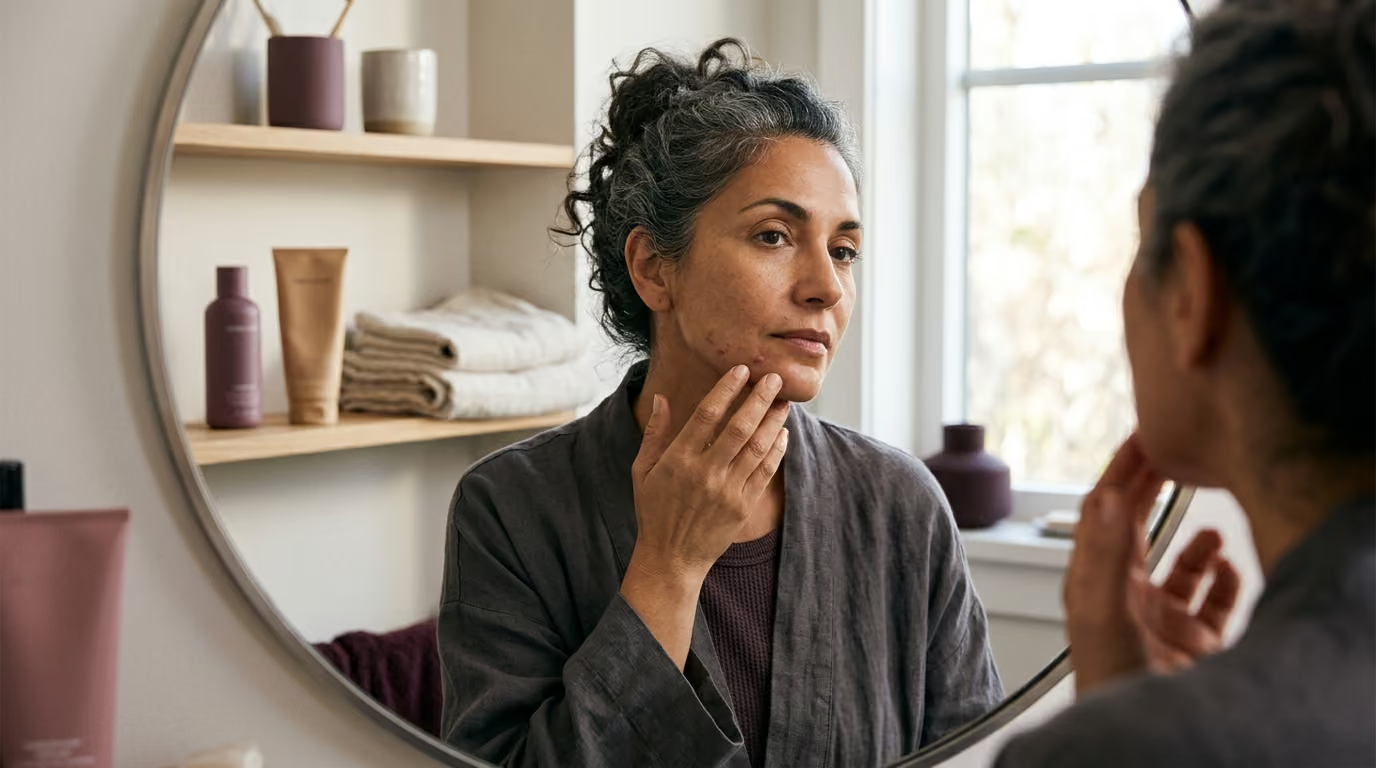

Breakouts are commonly associated with teenage years, but menopausal hormonal shifts actively drive adult acne that responds best to proven topical treatments.





Menopausal acne is not a continuation of teenage skin problems, nor is it a personal failing of hygiene. It is a specific inflammatory condition of the hair follicle and oil gland, shaped by shifting hormone ratios and changes in the skin barrier.
Midlife breakouts present distinct challenges. Skin at this stage often becomes thinner, less resilient, and more prone to dryness. This comprehensive guide covers the biological triggers, clinical patterns, differential diagnoses, and evidence-supported topical and medical approaches for managing midlife breakouts.
Clinical research shows that acne is far more common in adult women than was once recognized. Studies across dermatology literature indicate that adult female acne affects between 12% and 54% of women at various points in adulthood. Large population surveys show that while acne rates decrease with chronological age, significant numbers of women continue to experience breakouts throughout their 40s and 50s.
Dermatologists classify midlife breakouts into three distinct clinical histories:
Research indicates that persistent acne is the most frequent form. Clinical reviews estimate that persistent disease accounts for roughly 75% to 85% of adult female cases, while late-onset acne accounts for roughly 20% to 40%. The French survey of 3,305 adult women aged 25 to 40 revealed an overall acne prevalence of 41%, with 41% of those affected reporting no history of adolescent acne. This confirms that midlife-onset skin congestion is a distinct clinical reality.
Epidemiological data shows that roughly 26% of women in their 40s report active breakouts. In women aged 50 and older, reported rates drop to around 15%. While the population prevalence declines after the final menstrual period, acne remains a meaningful concern for many postmenopausal women. The average age of natural menopause in Western populations is 51 years. Experiencing breakouts during this transition does not signify an obscure medical defect, but rather a recognized dermatological response to changing internal biology.
The primary hormonal driver of menopausal acne is not necessarily an absolute surge in testosterone. Instead, it is the shifting relative balance between circulating estrogens and androgens.
During the reproductive years, estradiol provides a moderating effect on sebaceous glands. Estrogens suppress sebum production and help regulate the cellular turnover within pores. During perimenopause, ovarian estrogen production becomes erratic, fluctuating widely before declining permanently.
When estrogen levels drop, the counterbalancing effect on sebaceous tissue weakens. This makes normal circulating levels of androgens, such as testosterone and dehydroepiandrosterone sulfate, more clinically dominant. The hair follicles and sebaceous glands respond directly to this unopposed androgenic signaling.
Androgens trigger several downstream biological events in the pore:
Perimenopause is defined by hormonal volatility rather than a smooth, steady descent. Ovarian production can spike high one month and drop precipitously the next. This explains why some women experience predictable premenstrual flares, while others face erratic breakouts that seem to appear without warning. Exploring perimenopause and menopause changes helps explain why these erratic cycles create sudden dermatological shifts.
A woman can have normal serum testosterone levels on a standard blood test and still experience severe hormonal acne. The sebaceous gland possesses its own internal enzyme machinery, including 5-alpha-reductase, which converts testosterone to the more potent dihydrotestosterone directly at the tissue level. Tissue sensitivity varies widely between individuals.
The hallmark paradox of menopausal skin is the simultaneous presence of deep breakouts and severe surface dryness. This dual presentation often baffles women who associate acne exclusively with oily adolescent skin.
Estrogen plays a direct role in maintaining the structural integrity of the skin barrier. It stimulates the synthesis of ceramides, hyaluronic acid, and natural moisturizing factors within the epidermis. As estrogen production declines, the skin undergoes distinct structural changes:
This creates a scenario where the T-zone and jawline produce oxidized, sticky sebum inside the pore, while the outer stratum corneum remains parched and flaky. When women attempt to treat their breakouts using harsh, drying acne products designed for teenagers, the compromised barrier breaks down further.
Over-cleansing and excessive exfoliation strip the remaining surface lipids. This causes stinging, persistent erythema, and micro-fissuring. When the skin barrier is damaged, environmental irritants penetrate more easily, generating secondary inflammation that mimics or worsens existing blemishes. For more on navigating skin shifts without damaging the barrier, reading about midlife skin and aesthetic health provides additional clinical context.
Understanding this biological reality changes the treatment approach. Managing midlife acne requires clearing the follicular pore unit while actively reinforcing the surrounding moisture barrier.
Correct identification is the most critical step before beginning any treatment protocol. Several midlife skin conditions produce red bumps and surface irritation that look identical to acne but respond poorly to standard acne medications.
True acne vulgaris is defined by the presence of comedones. Closed comedones appear as small, flesh-colored bumps beneath the skin surface. Open comedones, or blackheads, contain oxidized melanin and keratin debris within a widened pore opening. If comedones are entirely absent, the condition is likely an acne mimic.
Papulopustular rosacea frequently appears or worsens during perimenopause, often triggered by vasomotor flushing. It presents with dome-shaped red papules and pustules across the central face, particularly the nose, cheeks, and forehead.
Rosacea lacks true blackheads or closed comedones. It is accompanied by visible telangiectasias, generalized facial redness, and burning sensations. Using traditional acne treatments like benzoyl peroxide or high-strength salicylic acid on rosacea can cause severe contact irritation and worsen the condition.
Perioral dermatitis presents as clusters of tiny, inflammatory papules and micro-pustules concentrated around the mouth, nasolabial folds, and occasionally the outer eye corners. The skin immediately adjacent to the vermilion border of the lips is often spared.
This condition is frequently provoked by heavy occlusive face creams, fluorinated toothpastes, or the inappropriate use of topical corticosteroids. It causes marked stinging and tightness rather than deep, painful nodules. It clears when occlusives are stopped and barrier-supportive or anti-inflammatory topical therapies are applied.
Pityrosporum folliculitis, also known as fungal acne, is an inflammatory condition of the hair follicle caused by yeast overgrowth. It presents as uniform, itchy, pinhead-sized papules and pustules.
These lesions appear along the hairline, jawline, upper chest, and back. Unlike acne vulgaris, the bumps are monomorphic, meaning they all look almost identical in size and shape. Comedones are absent, and standard antibacterial acne topicals rarely provide relief.
Irritant contact dermatitis occurs when active ingredients disrupt the stratum corneum. Allergic contact dermatitis occurs when the immune system reacts to a specific fragrance, preservative, or plant extract.
Both conditions produce redness, scaling, surface roughness, and small pruritic bumps. Midlife skin has a higher susceptibility to contact dermatitis because of decreased barrier lipids. Stacking multiple new skincare products at once often provokes this reaction, which is then mistaken for a sudden acne breakout.
Certain prescription drugs cause acneiform eruptions that appear abruptly. Systemic corticosteroids, oral testosterone, certain anticonvulsants, and high-dose B-vitamin supplements can trigger widespread, uniform inflammatory papules across the face and upper torso. Reviewing all active prescriptions and over-the-counter supplements helps rule out drug-induced flares.
Any persistent bump that bleeds, ulcerates, crusts, or fails to heal after several weeks must be evaluated by a medical clinician. Basal cell carcinoma and other cutaneous malignancies can initially resemble a benign, pearly pimple. Never repeatedly apply acne spot treatments to a solitary non-healing lesion.
Adult breakouts carry an emotional burden that differs markedly from adolescent acne. Women navigating midlife often feel frustrated by developing blemishes at the same time they notice fine lines, loss of firmness, and graying hair.
Many women report that sudden breakouts undermine their professional presence, social ease, and overall self-image. Adult acne can feel isolating, particularly because society often treats acne as a temporary teenage rite of passage.
Midlife skin heals more slowly than youthful skin. Cellular turnover in the basal layer decelerates from roughly 28 days in early adulthood to 45 days or longer after menopause. This slower renewal process creates distinct practical challenges:
Addressing these issues requires a shift away from panic-driven product purchasing. Developing a structured, low-irritation routine supports both physical skin repair and mental peace of mind. Cultivating midlife confidence and wellbeing helps women navigate these physical changes without feeling defined by temporary skin disruptions.
Dermatological guidelines emphasize matching treatment intensity to lesion type, severity, and individual skin tolerance. Because midlife skin is prone to xerosis and irritation, therapies must be selected with barrier protection in mind.
Topical retinoids are the foundation of medical acne therapy. They normalize keratinocyte shedding, prevent pore blockages, accelerate cellular turnover, and reduce localized inflammation. They also offer structural benefits by encouraging dermal collagen production.
To minimize peeling and erythema, apply retinoids to completely dry skin using a pea-sized amount for the entire face. Starting two nights per week and applying moisturizer before or after the retinoid preserves the skin barrier while building tolerance.
Azelaic acid is a dicarboxylic acid that provides multiple mechanisms of action. It reduces cutibacterium acnes, normalizes follicular keratinization, and acts as a mild anti-inflammatory agent.
Azelaic acid is particularly valuable for midlife women because it inhibits tyrosinase, the enzyme responsible for melanin synthesis. This makes it highly effective at fading post-inflammatory hyperpigmentation without causing widespread bleaching of normal skin. It is available over the counter at 10% and by prescription at 15% gel or 20% cream formulations.
Salicylic acid is a lipid-soluble beta-hydroxy acid that penetrates into the sebum-filled pore to dissolve keratin plugs. The American Academy of Dermatology highlights salicylic acid cleansers as a practical choice for midlife acne.
Cleansers containing 0.5% to 2% salicylic acid allow the active ingredient to clear follicular debris without remaining on the skin long enough to cause significant barrier breakdown. Leave-on salicylic acid formulations should be used sparingly to prevent excessive dryness.
Benzoyl peroxide introduces oxygen into the pore unit, rapidly reducing bacterial populations without driving antimicrobial resistance. It is an effective option for inflamed papules and pustules.
In mature skin, high concentrations (10%) offer no greater clinical efficacy than lower concentrations (2.5% to 5%), but they produce significantly higher rates of irritant contact dermatitis. Short-contact washing, where a benzoyl peroxide cleanser is applied to wet skin for two minutes and rinsed thoroughly, delivers antibacterial benefits while minimizing dryness and fabric bleaching.
Clascoterone 1% cream is a modern topical androgen receptor inhibitor. It competes directly with dihydrotestosterone at local sebaceous gland receptors, reducing sebum output and inflammation at the tissue level.
Because clascoterone is rapidly metabolized in the skin and has negligible systemic antiandrogenic activity, it represents an innovative option for hormonally driven jawline breakouts. It provides targeted hormonal management for women who prefer a topical approach or cannot take systemic medications.
Spironolactone is an oral aldosterone receptor antagonist that also blocks androgen receptors and inhibits 5-alpha-reductase activity. It is widely recognized in adult dermatology literature as the preferred systemic antiandrogen for persistent, deep jawline and neck breakouts.
Spironolactone decreases sebum production significantly over three to six months of consistent therapy. Because it acts as a potassium-sparing diuretic, clinicians evaluate baseline blood pressure, kidney function, and concomitant medications before prescribing. It does not alter systemic menopause progression, but it addresses the tissue-level androgen signals driving deep nodules.
Systemic tetracycline-class antibiotics, including doxycycline, minocycline, and sarecycline, provide rapid anti-inflammatory and antibacterial effects for moderate-to-severe inflammatory acne.
Current clinical guidelines advise against using oral antibiotics as long-term monotherapy. Antibiotic stewardship requires that systemic courses be limited to three to four months, paired alongside topical benzoyl peroxide or retinoids to prevent bacterial resistance and maintain clearance after the antibiotic is tapered.
Oral isotretinoin is a powerful systemic retinoid that reduces sebaceous gland volume, decreases sebum production, normalizes keratinization, and halts inflammation. It is indicated for severe nodulocystic acne, scarring disease, or cases that have failed all other standard therapies.
In midlife patients, isotretinoin requires careful dosing and close clinical monitoring. Baseline menopausal dryness can make mucocutaneous side effects, such as dry eyes, chapped lips, and skin fragility, more pronounced. Low-dose, long-course protocols are often utilized to improve tolerability.
Combined oral contraceptives suppress luteinizing hormone and follicle-stimulating hormone, reducing ovarian androgen synthesis and raising sex hormone-binding globulin. This lowers free circulating testosterone, clearing hormonal breakouts.
Combined oral contraceptives can be a viable management strategy for perimenopausal women who also require reliable contraception, provided there are no medical contraindications such as hypertension, migraine with aura, or elevated thrombotic risk. However, combined oral contraceptives are not used in postmenopausal women.
Menopausal hormone therapy uses lower, physiological doses of bioidentical or synthetic estrogens and progestogens designed to relieve vasomotor symptoms and prevent bone loss. Menopausal hormone therapy is not an FDA-approved acne therapy and should never be initiated solely for cosmetic breakout control.
Certain progestins used in menopausal hormone therapy have androgenic properties that may occasionally provoke breakouts in susceptible women. Micronized progesterone and dydrogesterone have neutral androgenic profiles and are less likely to exacerbate acne.
Managing midlife breakouts requires a balanced daily framework. The goal is to clear pores and reduce bacterial load while providing adequate hydration and ultraviolet protection. Reviewing evidence-based skin aging resources can help you construct a comprehensive personal strategy.
The morning routine focuses on gentle cleansing, antioxidant defense, hydration, and broad-spectrum sun protection:
The evening routine focuses on thorough cleansing, targeted follicular clearing, and cellular repair:
These real-world examples illustrate how midlife acne presents and how management plans are adapted to individual clinical needs.
A 48-year-old woman experienced mild breakouts in her 20s that resolved, but now notices painful, deep lesions along her chin and jawline. Concurrently, her cheeks feel dry, tight, and flaky after washing.
She had been applying an over-the-counter 10% benzoyl peroxide wash twice daily along with an alcohol-based toner, which made her face sting without improving the chin nodules.
Her routine was restructured: the aggressive wash and astringent toner were replaced with a gentle, non-stripping cleanser and a ceramide-rich moisturizer. She introduced prescription adapalene gel 0.1% every third night over moisturizer. Within eight weeks, her skin barrier normalized, surface flaking stopped, and the frequency of new inflammatory nodules declined.
A 51-year-old woman stopped taking her long-term combined oral contraceptive pill after her gynecologist confirmed she had transitioned through menopause. Within four months, she developed clusters of closed comedones and inflammatory papules along her lower face.
Evaluation confirmed that the oral contraceptive had been suppressing ovarian androgens for years, masking her underlying tendency toward adult acne. Stopping the medication unmasked the unopposed androgen action on her sebaceous follicles.
Because she was postmenopausal and combined oral contraceptives were no longer appropriate, her dermatologist prescribed topical clascoterone 1% cream twice daily combined with a gentle morning azelaic acid 15% gel. This localized approach controlled androgenic signaling at the skin level without requiring systemic medications.
A 53-year-old postmenopausal woman presented with sudden, severe inflammatory papules across her chin, accompanied by noticeable thinning of her hair at the crown and increased coarse hair growth on her upper lip.
This constellation of symptoms suggested absolute or relative androgen excess. Her clinician ordered a comprehensive laboratory evaluation, including serum total and free testosterone, dehydroepiandrosterone sulfate, and pelvic imaging to rule out an androgen-secreting ovarian or adrenal lesion.
Her laboratory profile showed normal total testosterone with low sex hormone-binding globulin, resulting in elevated free androgen activity. She was started on oral spironolactone under medical supervision, alongside a topical retinoid and specialized hair care support. Over six months, her skin cleared completely and scalp shedding stabilized.
A 46-year-old woman noticed a few minor premenstrual spots and responded by purchasing a complete anti-blemish collection: a glycolic acid cleanser, a salicylic acid serum, a retinol cream, and an overnight clay mask.
Within two weeks, her entire face became red, rough, and covered in tiny, stinging bumps that she assumed was a severe purging phase.
A dermatological exam identified severe irritant contact dermatitis rather than true acne vulgaris. She was instructed to discontinue all active exfoliating ingredients immediately and use only a bland barrier repair balm and mineral sunscreen. Within twelve days, the redness, burning, and micro-bumps resolved completely, revealing healthy underlying skin.
While mild, superficial congestion can often be managed with careful skincare adjustments, certain clinical presentations warrant prompt medical evaluation.
You should consult a board-certified dermatologist or healthcare clinician under the following circumstances:
A clinician can perform a thorough examination, conduct appropriate laboratory or imaging diagnostics, rule out lookalike dermatoses, and prescribe targeted medical therapies safely.
While the biological mechanisms of androgen signaling and follicular hyperkeratinization are well documented, clinical literature on midlife acne contains clear limitations.
Most major acne clinical trials historically enrolled adolescent and young adult populations aged 12 to 25. Large-scale, randomized controlled trials conducted exclusively in women aged 45 to 65 remain limited. Much of our current understanding of menopausal acne management is extrapolated from broader adult female acne trials or observational cohorts.
Furthermore, commercial skincare marketing frequently overstates the power of unproven ingredients. Botanical extracts, face oils, and oral supplements claiming to balance menopausal hormones lack rigorous, placebo-controlled clinical evidence. Some botanical oils marketed for mature skin are highly comedogenic and can worsen follicular obstruction.
Dietary research in midlife acne is also largely observational. While high-glycemic-index diets and high dairy intake have been linked to adolescent breakouts in specific studies, clear evidence demonstrating that dietary restrictions cure menopausal acne is absent. Dietary modifications should support overall metabolic health rather than serve as a restrictive cure for breakouts.
Yes. Roughly 20% to 40% of adult women with breakouts have late-onset acne, meaning their skin issues surfaced for the first time in adulthood. Fluctuating estrogen levels during perimenopause allow normal levels of androgens to exert a stronger biological effect on oil glands, triggering new follicular congestion.
Sebaceous glands on the lower third of the face, including the chin and jawline, have a high density of androgen receptors. When the relative balance of estrogen and androgen shifts during midlife, these lower-face follicles are frequently the first to respond with increased sebum production and inflammation.
No. Stopping moisturizer damages the stratum corneum, accelerates transepidermal water loss, and increases irritation from active acne treatments. Choose lightweight, non-comedogenic lotions containing ceramides, glycerin, or hyaluronic acid to protect the barrier without blocking pores.
There is no credible clinical evidence that oral collagen supplements prevent or treat acne vulgaris. While collagen peptides may support general skin hydration and elasticity in some studies, they do not normalize follicular shedding, suppress sebum production, or clear blocked pores.
Menopausal acne is a manageable biological response to shifting hormonal ratios and a changing skin barrier, not an incurable flaw or a hygiene failure. With gentle barrier protection, evidence-based topical actives, and appropriate medical therapies, midlife breakouts can be cleared effectively while keeping mature skin comfortable and healthy.

Follow Refemina for research-led resources on hormonal change, strength, metabolism, nutrition, skin, intimate wellbeing and confidence through midlife.


Keep learning about the changes that shape energy, strength, confidence and wellbeing through midlife.
Explore Resources