
An analysis of India's growing commercial protein market and the underdiagnosed midlife protein gap, exploring how deliberate meal planning supports women.





On September 19, 2026, The Week published a comprehensive feature examining India's rapidly commercialising protein market and highlighting a widening protein gap for midlife women. The report questions whether the sudden influx of protein-fortified commercial foods addresses genuine nutritional deficits or simply monetises a growing public health trend. This analysis arrives at a moment when dietary conversations are increasingly intersecting with the specific physiological realities of female aging.
For decades, dietary protein was treated largely as a specialized concern for athletes and bodybuilders rather than a fundamental pillar of midlife health. The standard dietary advice for women navigating perimenopause and menopause often focused heavily on calorie restriction, weight management, and general carbohydrate balance. Midlife musculoskeletal changes were rarely addressed through targeted nutritional strategies. Consequently, many women relied on low-protein convenience foods or cereal-heavy diets without realizing that their physiological requirements were shifting.
This older approach failed to account for how hormonal transitions alter the way the female body maintains lean tissue. The baseline assumption was that an ordinary, unplanned diet would naturally provide sufficient nutrition for women as they aged. The distinct meal planning challenges faced by midlife women were largely absent from mainstream nutritional conversations. Women were frequently left to manage declining energy and strength without actionable, evidence-based guidance.
Currently, the market is shifting dramatically away from this old model, presenting protein as a mass-market priority. However, this commercial boom has created entirely new challenges. Companies are increasingly adding protein to processed snacks and convenience foods, raising critical questions about food quality and metabolic health.
Consumers are now exposed to a flood of products that blur the line between basic nutrition and processed desserts. Women seeking to support their strength and body composition must now navigate a highly commercial landscape. In this environment, a bold label does not guarantee a balanced, beneficial, or nutritionally adequate food profile.
The recent reporting outlines several critical observations regarding protein adequacy, metabolic health, and the specific physiological demands placed on midlife women. The feature highlights that meeting nutritional requirements involves much more than simply tracking a single macronutrient or buying fortified snacks.
The feature makes it clear that while protein is crucial for muscle repair and maintenance, the source and quality of that protein matter immensely. Nikita Garg of Entech Wellness points out that consumer interest is driven by greater exposure to nutrition information and the rising costs of managing chronic conditions. She advocates for a deliberate shift from simply seeking more protein to prioritizing better protein. This means paying close attention to amino acid balance, digestibility, and overall food diversity.
For women evaluating their nutrition and weight management strategies during midlife, the focus must remain on whole foods rather than heavily processed commercial shortcuts. The article highlights traditional options such as dal, curd, sprouts, and eggs alongside accessible choices like fish, paneer, and soy. Combinations like curd and rice or khichdi offer valuable nourishment when properly prepared. The discussion of plant protein requires nuance, as poorly processed variants can sometimes cause digestibility issues.
The necessity for deliberate meal planning is a recurring theme in the research. Dr Gaurav Katyal, CEO of Indraprastha Apollo Hospitals, shared his personal approach at age 48. He targets 1.4 g of protein per kilogram of body weight per day while incorporating gym training and a whey shake. While his routine is highly individualized and not a universal medical prescription, it illustrates the practical application of intentional dietary planning. Furthermore, Dr Katyal explicitly advises against crash diets, favouring gradual weight change and sustainable daily habits.
Women are encouraged to treat protein as one component of a broader physical strategy, alongside resistance exercise, adequate energy intake, and sufficient sleep. The feature specifically highlights combining protein-rich meals with physical activity, rather than treating commercial products as a substitute for movement. Pairing proper nutrition with progressive strength work is critical, as protein is deeply relevant to muscle repair and long-term tissue preservation.
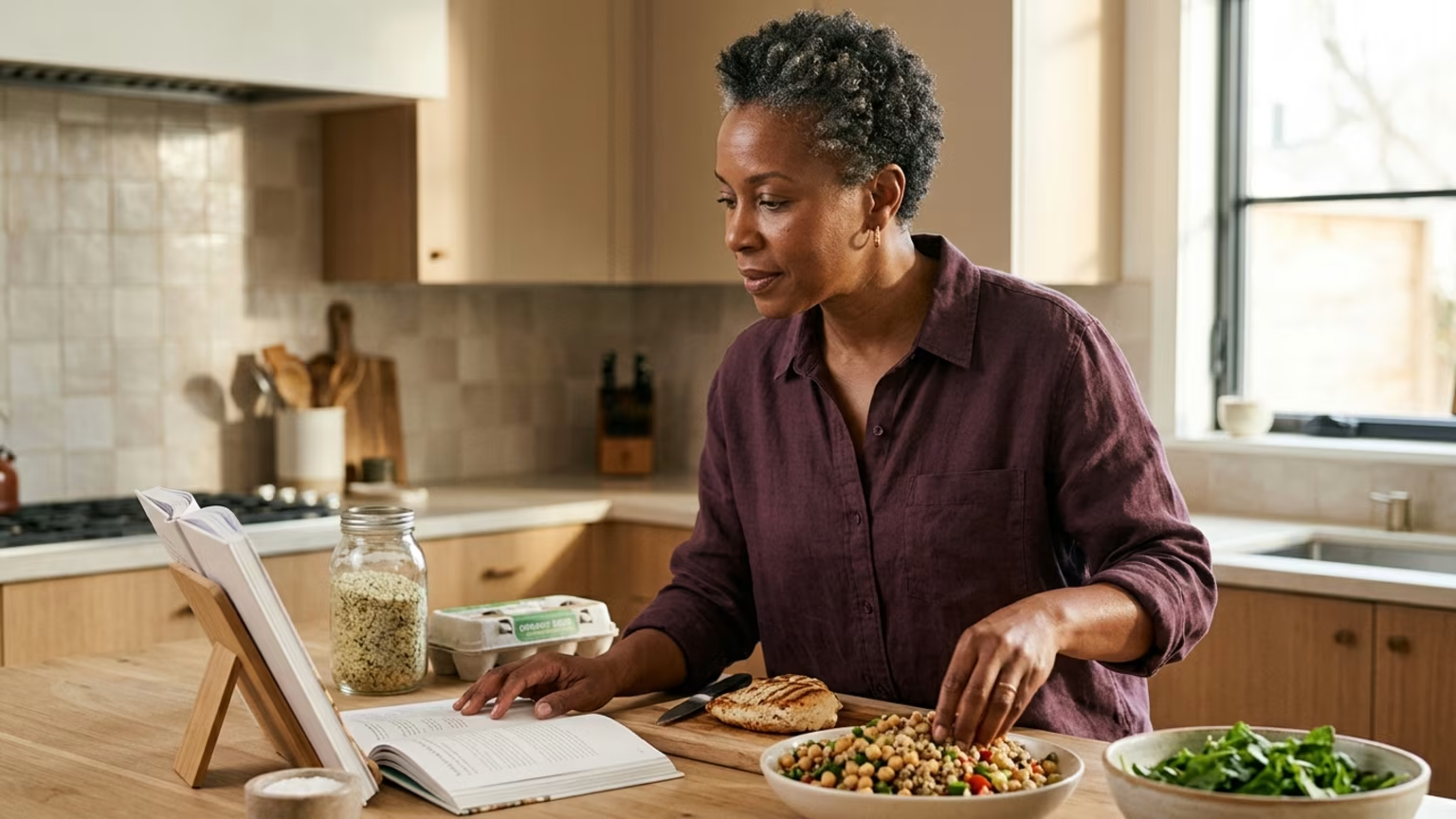
Building meals deliberately is critical for long-term success. Women should focus on diverse, nutrient-dense sources rather than relying on low-protein convenience foods. Vegetarian women face a distinct meal planning challenge. The article notes that while vegetarian diets absolutely meet nutritional needs, relying on limited variety may make the protein gap harder to close. Adding more varied food sources throughout the day helps prevent energy crashes while supporting sustained muscle recovery.
Planning for variety across the entire day supports a better balance of amino acids, rather than assuming that a single food item must provide all necessary nutrition. When navigating the modern grocery store, women must evaluate the entire food profile. Consumers should consistently check protein grams alongside total calories, ingredients, and portion size. As the reporting notes, a product can contain added protein and still function primarily as a processed snack.
Packaged products should be used strategically, rather than automatically. The article allows that specialized supplements or protein snacks may be useful for individuals with higher clinical needs, busy schedules, or difficulty meeting requirements through whole foods. Ordinary meals should always remain the priority for most people.
Finally, women must avoid turning one specific number into an absolute rule. While the article includes a personal target of 1.4 g/kg/day from Dr Katyal, it does not establish that this metric is suitable or necessary for every woman. Women should also be alert to the risks of under-fuelling. A midlife woman seeking to change her body composition may need to consider food quality without resorting to severe calorie restriction.
This intentional approach to nutrition frequently yields positive physical feedback. Megha Mahajan, profiled in the report, describes making protein a clear priority during perimenopause. She reports experiencing better energy, faster recovery, and fewer muscle cramps during her running and gym sessions. While these are personal observations rather than controlled clinical data, they reflect the broader physiological principle that adequate recovery nutrition supports continued physical activity.
Crucially, the article distinguishes between specialized supplements and processed snacks. Vinit Baptist of Zest Gyms notes that supplements might deliver higher protein for fewer calories, whereas protein snacks must be evaluated within the context of total dietary needs. A protein product should always be judged by its full ingredient list and its place in an individual's overall lifestyle.
The rapid commercialisation of the protein sector has drawn sharp critique from health professionals who advocate for fundamental dietary improvements. "India needs protein literacy, not protein obsession," argues Luke Coutinho, an integrative lifestyle expert. He states that most people should first improve the quality of their everyday plate.
Akshay Jatia is the CEO of Westlife Foodworld, and he describes protein as an "everyday aspiration." He notes that their recent plant-based product slice was specifically designed to integrate additional protein into an ordinary meal rather than target only specialized athletes. The slice was developed over 500 days with the CSIR-Central Food Technological Research Institute.
Future clinical guidance will likely prioritize deliberate protein planning alongside resistance training to support physical resilience throughout the menopausal transition.
While adjusting daily nutrition to counteract midlife muscle loss requires careful meal planning, evaluating the broader health transition becomes much clearer when Refemina translates the clinical evidence. We address the frustration of skin and hair changes mixed with aggressive anti-aging marketing, providing clear adult guidance without symptom panic, anti-aging pressure or wellness hype.

Follow Refemina for research-led insights on menopause, strength, metabolism, nutrition, skin, intimacy and confidence through midlife. New articles turn complex topics into clear, useful context.




Keep learning about the changes that shape energy, strength, confidence and wellbeing through midlife.
Explore Resources