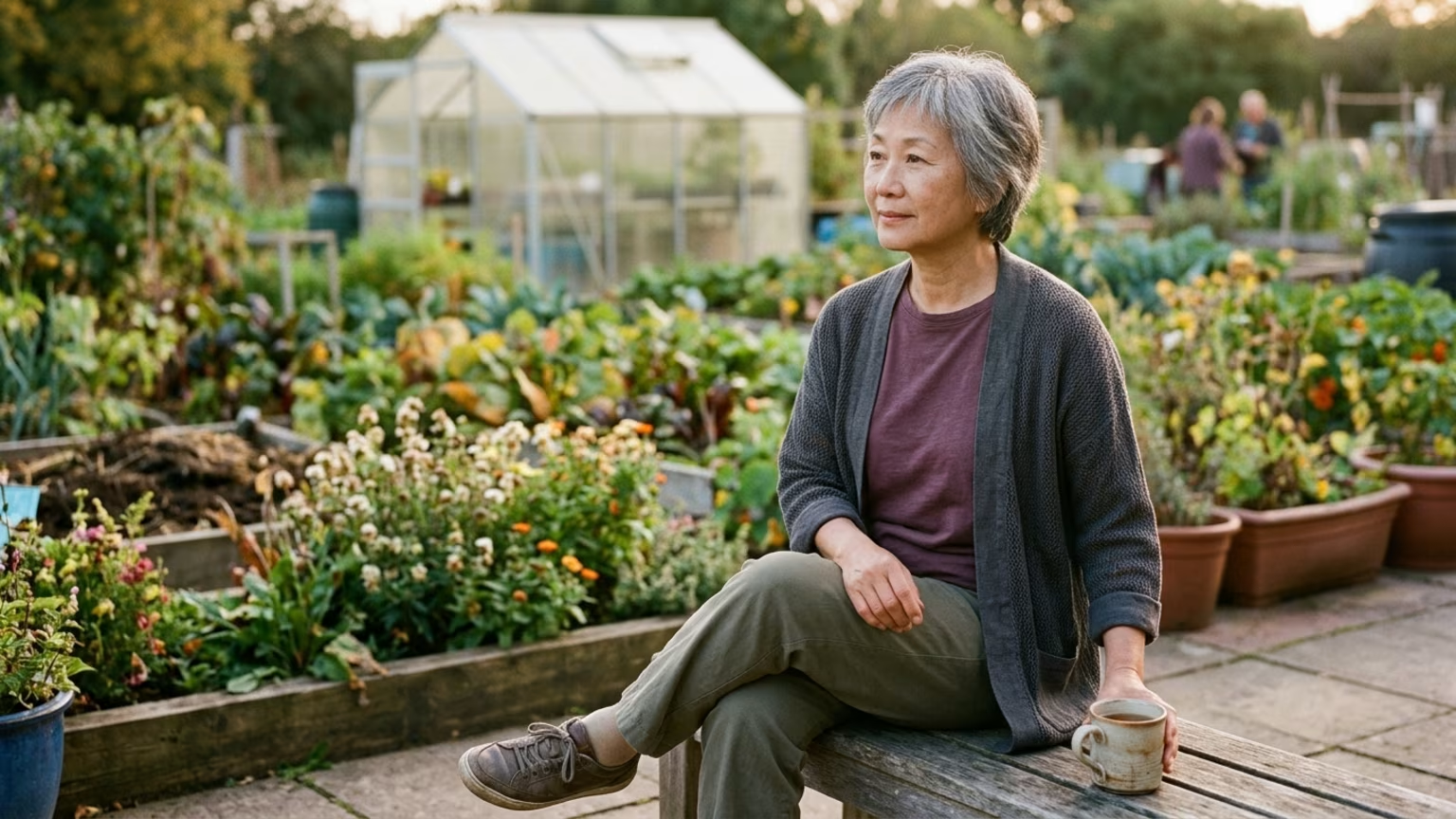

HuffPost UK highlights how postmenopause brings renewed confidence and physical changes, reinforcing the need for active medical care and strength training.





On September 17, 2026, HuffPost UK published a feature presenting six first-person accounts of life after menopause alongside medical and psychological context. The article contrasts individual narratives of increased confidence with cited research reporting elevated risks for anxiety and depression in postmenopausal women.
Historically, medical frameworks treated the final menstrual period as a definitive finish line. Under this model, women were expected to transition smoothly into a completely stable phase of life. Postmenopause was viewed simply as the permanent absence of reproductive cycles. Clinicians often assumed that any significant physical or emotional turbulence would conclude once perimenopause ended.
This traditional viewpoint left many women unprepared for ongoing symptoms or new psychological challenges. Patients frequently believed that their sleep disruption, mood changes, and temperature fluctuations would simply vanish overnight. The prevailing medical consensus offered little guidance for managing symptoms that persisted for years or even decades. Consequently, many individuals navigating later life felt dismissed when reporting continuing discomfort.
The assumption of a rapid resolution also shaped public expectations around aging and female health. Women were encouraged to view postmenopause as a quiet era requiring minimal medical intervention. Routine care focused heavily on basic screenings rather than active symptom management or quality of life. This perspective often ignored the complex reality of shifting body composition, changing sexual health, and evolving mental fitness.
Furthermore, exercise and nutrition advice for older women frequently centered on mild activity and weight management rather than building resilience. Strength training was rarely prioritized as a medical necessity for bone and metabolic health. The medical community often treated physical decline as an unavoidable consequence of aging rather than a manageable condition. This passive approach severely limited the strategies available to women seeking to maintain their strength and vitality.
This limited perspective also influenced how clinical research was conducted and interpreted. Studies historically focused heavily on the immediate perimenopausal transition, leaving the decades following menopause relatively under-examined. The medical establishment often treated the absence of a menstrual cycle as a signal to reduce active health monitoring. Women were implicitly taught that any ongoing distress was a physiological inevitability rather than a condition requiring clinical support.
Recent reporting and updated clinical guidelines reveal a far more dynamic picture of life after menopause. The HuffPost UK feature shows how individual experiences vary widely, indicating that postmenopause requires ongoing adaptation rather than passive acceptance. Specific clinical observations, safety updates, and updated protocols include:
The six first-person accounts featured by HuffPost UK illustrate how diverse the postmenopausal experience can be. Some contributors described feeling significantly calmer once perimenopause ended. One woman noted that a literal weight lifted as her anger and hot flashes diminished. Another participant reported that her insomnia almost disappeared while her hot flashes became less intense and occurred only once or twice a week.
These positive outcomes align with the broader understanding that hormonal stabilization can bring profound relief for many individuals. However, other women detailed persistent challenges that require proactive management. Contributors reported continuing fatigue, low motivation, anxiety waves, heat intolerance, and aches. One individual noted that while her hormones felt more stable, she still faced concerns regarding muscle loss, bone health, and vaginal dryness.
These ongoing symptoms reinforce the necessity of viewing postmenopause as an active phase of life. Finding accurate resources regarding midlife health is critical for women navigating these overlapping changes. The diversity of these experiences highlights the danger of applying a single narrative to women's health. While some individuals transition seamlessly into a comfortable new baseline, others face a prolonged period of physiological adjustment.
Heat intolerance, for example, emerged as a notable complaint even among women who felt their hormones had otherwise stabilized. By recognizing these varied outcomes, clinicians can better prepare their patients for the realities of long-term physical changes. Acknowledging these differences helps remove the stigma associated with requiring medical care long after periods cease. It empowers women to seek tailored solutions rather than suffering quietly.
The role of targeted physical activity has become a central component of updated postmenopausal care. Cleveland Clinic guidance clearly positions strength training as a primary tool for maintaining muscle mass and supporting bone health. Resistance training is no longer viewed simply as a cosmetic choice for younger demographics. Instead, lifting weights serves as a foundational strategy for preserving physical independence and metabolic stability.
Women seeking information on strength and body composition will find that clinical advice heavily favors consistent resistance work. Integrating this activity with regular cardiovascular exercise helps address the complex metabolic shifts associated with lower oestrogen levels. The combination of these modalities provides a comprehensive approach to managing the wide array of postmenopausal body changes. This dual strategy supports both immediate physical comfort and long-term skeletal integrity.
Building a sustainable movement routine requires adapting exercises to fit current capabilities and medical advice. Strength training must be progressively scaled to accommodate previous injuries, joint pain, or balance concerns rather than forced into an aggressive, one-size-fits-all regimen. Approaching physical fitness with patience guarantees that activity remains a source of vitality rather than a cause of physical strain. Consistent, adapted movement ultimately provides more profound benefits than short bursts of extreme exertion.
The juxtaposition of elevated depression risks with narratives of increased happiness highlights a complex emotional landscape. While early postmenopausal women may face a two to four times greater risk of experiencing a major depressive episode, this is not a universal destiny. Many women report feeling a profound sense of liberation and self-direction after their reproductive years conclude. Building mental fitness and confidence becomes a vital practice during this transition.
Tracking sleep, mood patterns, and energy levels can help individuals distinguish between ordinary stress and conditions requiring medical support. Addressing persistent issues rather than dismissing them is crucial for long-term wellbeing. Women experiencing function-limiting anxiety, profound fatigue, or a significant loss of interest should contact a qualified professional. Medical intervention remains a crucial option for those struggling with the psychological burdens of midlife changes.
Simultaneously, discussions around intimate health, including changes in desire or vaginal comfort, should involve a clinician rather than being accepted as inevitable aging. Women seeking deeper insights into sexual wellbeing and intimate confidence can benefit greatly from open medical dialogue. Proactive communication allows healthcare providers to offer safe, evidence-based treatments that significantly improve daily comfort.
Translating these clinical observations into daily habits requires a structured approach. Rather than viewing the end of menstruation as a time to scale back, women can adopt proactive routines to support their future health.
The varied narratives from the HuffPost UK feature show that aging is highly individualized. One woman described her postmenopausal phase as an entirely new way of being, pointing to the potential for reinvention. Another contributor noted that while early postmenopause brought positive changes for her sleep, she still battled low energy three years later. A separate participant reported that a lack of motivation remained a persistent hurdle.
These distinct paths show that health protocols must be customized to fit each woman's specific circumstances. By acknowledging both the challenges and the liberating aspects of this life stage, women can shape a more engaged future. The research shows that physical and emotional changes do not simply halt when menstruation stops. Instead, they require ongoing attention, informed medical conversations, and a commitment to daily self-care. Managing this transition effectively means utilizing every available tool, from medical support to consistent physical training.
Clinicians will increasingly treat postmenopause as an active phase requiring tailored physical, mental, and nutritional management rather than dismissing ongoing symptoms as ordinary ageing.
While structuring a new physical routine or tracking ongoing clinical symptoms requires personal commitment and medical support, navigating the broader transition is simpler when Refemina clarifies the research. We counter health content that treats every problem as a supplement, hormone or weight-loss opportunity, helping you implement practical strength, nutrition, and lifestyle strategies with realistic confidence.

Follow Refemina for research-led insights on menopause, strength, metabolism, nutrition, skin, intimacy and confidence through midlife. New articles turn complex topics into clear, useful context.




Keep learning about the changes that shape energy, strength, confidence and wellbeing through midlife.
Explore Resources