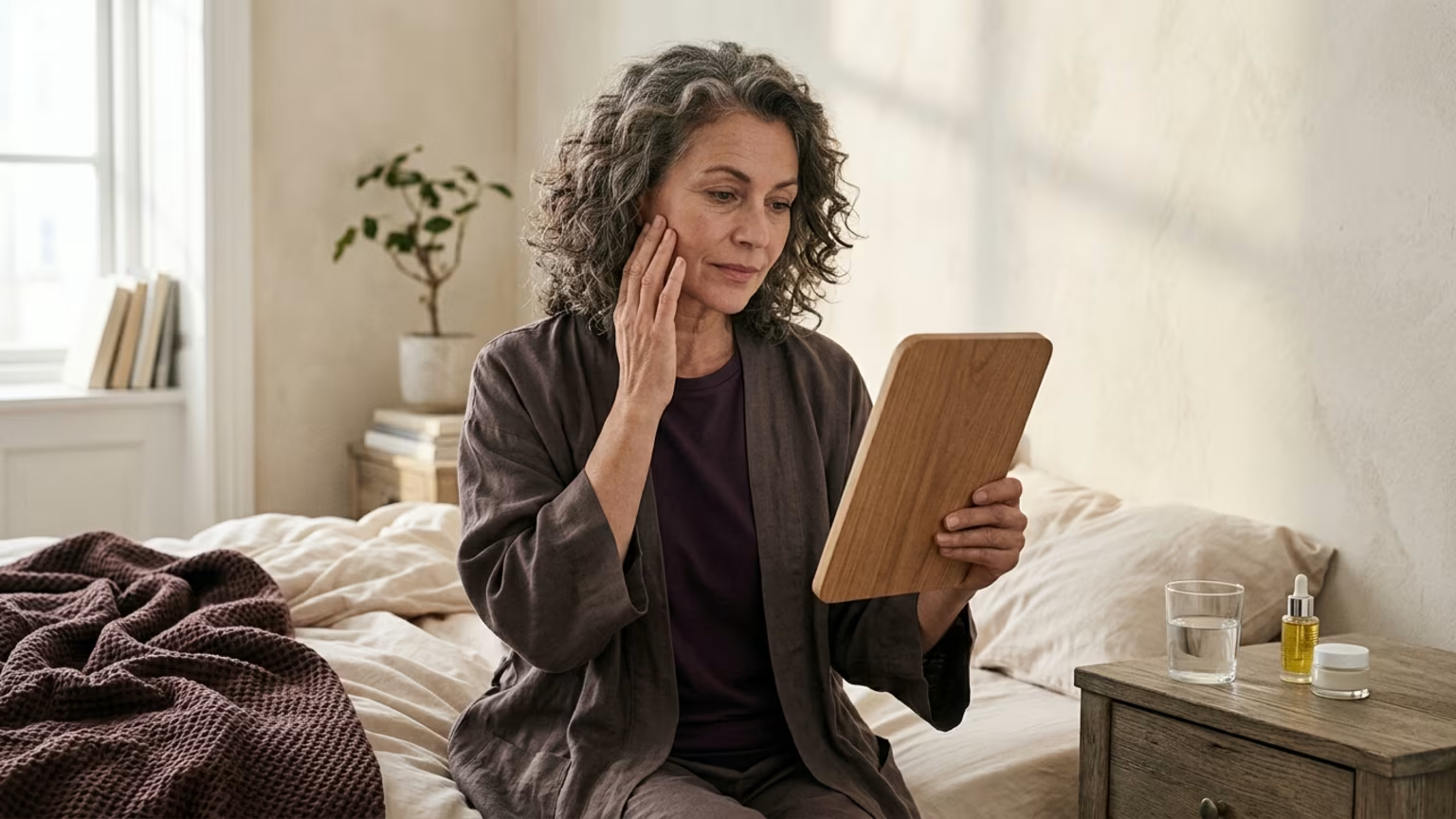

Learn how sleep disruption and chronic tension compound the visible skin changes that accelerate around menopause, plus non-hormonal ways to support recovery.





An explainer published on September 18 2026 detailed how rest and tension influence midlife skin recovery. The report highlights how sleep disruption compounds the visible changes that accelerate during the menopausal transition.
For years, clinical and commercial approaches treated midlife skin changes strictly as cosmetic issues. The standard response relied heavily on topical regimens and aggressive treatments. Women were often told to manage wrinkles or dryness in isolation, without considering how the broader hormonal transition affected tissue structure. This isolated approach ignored the biological context of perimenopause and menopause.
It also overlooked how daily habits shape the way tissues function, heal and recover from environmental damage. Previous guidance frequently treated the surface as something to be polished rather than an active organ requiring internal support. This left many women feeling frustrated when expensive creams failed to resolve deep structural shifts. A comprehensive view requires looking at both hormonal changes and non-hormonal lifestyle levers.
The recent explainer and updated dermatological reviews clarify that visible changes reflect far more than topical care. The evidence points to a combination of hormonal shifts, lifestyle factors, diet and environmental exposure.
Estrogen plays a direct role in maintaining tissue thickness and hydration. When ovarian hormones decline during perimenopause and after menopause, structural properties inevitably shift. Collagen contributes to skin firmness, while elastin helps the surface return to place after movement. Because collagen loss accelerates rapidly during the first five years of menopause, changes in firmness and texture become more noticeable.
This biological reality helps reframe aesthetic aging. Women can acknowledge that estrogen-related collagen loss is real without treating every visible change as a personal failure. There is no need to assume that a costly procedure or hormone treatment is universally necessary. The decline is a documented physiological process, not a sign of neglect. Understanding this allows women to pursue clear guidance on skin and hair changes without succumbing to unnecessary pressure.
Nighttime biology is intricately linked with cellular repair. Blood flow to the surface rises during nighttime hours, which supports the division and recovery of cells. The explainer notes that short periods of sleep restriction are associated with reduced hydration and elasticity. This does not mean that sleep loss is the only cause of midlife appearance changes, but it acts as an important multiplier.
Skin-barrier health is commonly assessed through transepidermal water loss. This metric tracks the exact amount of water that passes through the outer layer and evaporates into the air. Higher water loss indicates a weaker protective barrier, which creates a greater susceptibility to dryness and irritation. Midlife hormonal shifts already challenge this barrier, making efficient recovery even more critical.
The University Hospitals Case Medical Center study clearly demonstrates that poor rest impairs this vital recovery metric over a 72-hour period. In this clinical assessment, researchers deliberately damaged the moisture barrier to observe natural healing rates. The good sleepers recovered 30% more effectively from this controlled damage than those with poor rest habits. These poor sleepers also required substantially more time to recover from standard ultraviolet exposure.
However, the evidence does not justify telling women that poor rest permanently damages their appearance after one difficult night. The article specifically says that the primary concern is repeated or ongoing sleep loss. Intermittent insomnia is common during midlife, often driven by hot flashes or shifting schedules. The most defensible message is to pursue consistent restorative rest over time rather than panic about isolated disruptions.
Tension affects our physiology through both direct and indirect pathways. The direct effects involve inflammatory and oil-production processes triggered by persistently elevated cortisol. The indirect effects are often caused by the sleep disruption that accompanies high anxiety. Prolonged tension keeps cortisol elevated, which slows the natural healing process and increases systemic inflammation.
The explainer connects ongoing tension with flare-ups of conditions such as acne, eczema and psoriasis. It explicitly frames this tension as a contributing factor rather than the sole cause of these medical conditions. Short-term tension remains a normal physiological response and is not uniformly harmful. The clinical focus is on reducing the chronic unyielding loads that exhaust the body over months and years.
Finding ways to moderate this load can support mental fitness and overall confidence. A simple stress-management practice like paced breathing, meditation or gentle movement can provide sustainable benefits. The evidence supports reducing chronic tension, not achieving a perfectly calm life. Small consistent daily habits often yield better physical resilience than dramatic lifestyle overhauls.
Medical professionals are increasingly recognizing the relationship between our nervous system, hormones and physical appearance. Board-certified dermatologist Dr. Keira Barr describes a communication pathway between the brain and skin, which relies on hormonal and immune signals. This two-way axis helps explain why internal emotional states often manifest as visible external symptoms. U.K. physician and aesthetic specialist Dr. Ewoma Ukeleghe told Forbes that clinicians should consider a patient’s overall health rather than examine the surface in isolation.
University of Utah Health dermatologists note that cortisol directly increases inflammation and oil production. They confirm that prolonged tension slows the ability of the tissue to heal. Northwestern stem-cell biologist Xiaomin Bao explains that continual renewal is important because new cells replace those lost through everyday wear. When that renewal slows, visible dullness often follows.
Dr. Tony Youn prioritizes the value of consistency and regular habits over expecting immediate results from isolated interventions. The overall expert message is incredibly modest and grounded. Sleep and tension management are practical non-hormonal habits that may support recovery, but they do not reverse menopause-related collagen loss. They also do not replace medical diagnosis and treatment for persistent clinical conditions.
Current menopause-specific dermatology guidance increasingly treats these structural shifts as part of the broader hormonal transition. The available evidence supports a layered approach to tissue health. This includes rest quality, tension management, ultraviolet protection and appropriate moisturization. Women can use these non-hormonal levers to improve recovery without implying that hormones are irrelevant.
The American Academy of Dermatology recommends applying a daily broad-spectrum sunscreen with SPF 30 or higher. Sunscreen cannot thicken already thinned areas, but it helps prevent further thinning and reduces additional ultraviolet-related damage. The NIH review likewise notes the importance of using a water-resistant sunscreen and reapplying it every two hours or after sweating. Protecting the collagen that remains is a highly effective, evidence-based strategy.
Supporting the moisture barrier is equally important. Regular moisturizing helps counteract transepidermal water loss and maintains surface comfort. Apply moisturizer after bathing and whenever the surface feels tight or dry. The AAD specifically mentions products containing hyaluronic acid or glycerin for alleviating dryness. Gentle cleansing should replace harsh physical exfoliants that might damage a slower-healing barrier.
People concerned about wrinkles or sagging may consider incorporating retinol or peptide products. However, the AAD guidance does not suggest that these ingredients are appropriate for every woman. They cannot fully restore the collagen lost during menopause, and they must be introduced cautiously. Seek professional advice if redness, inflammation or severe reactivity occurs.
Proper hydration and nutrition also fit into a practical framework for tissue recovery. While drinking substantially more water does not provide additional benefits if you are already hydrated, maintaining baseline hydration is helpful. Adequate protein and vitamin-C-rich foods support cellular repair and complement a sensible nutrition and weight management routine.
While lifestyle adjustments offer significant benefits, they are not replacements for medical care. Persistent itching, severe rashes, unusual sores or sudden changes require formal clinical assessment. Severe acne or non-healing areas warrant attention from a board-certified dermatologist rather than being automatically attributed to menopause or tension. Proper medical diagnosis prevents underlying conditions from being overlooked.
This context firmly supports a framework of body reclamation. Women can accept that aging brings structural changes without feeling pressured to reverse every single one. Prioritizing rest, setting boundaries around chronic tension and practicing sun safety are acts of self-care, not aesthetic obligations. The goal is to feel comfortable and resilient in your body as it transitions through midlife. Reviewing credible resources can help clarify these realistic expectations.
Moving forward, clinical practice will increasingly treat midlife skin changes as integrated physiological events, combining non-hormonal lifestyle levers with targeted barrier support to improve resilience and recovery.
While an aesthetic specialist or board-certified dermatologist oversees your specific clinical treatments day to day, understanding the biological reality of aging shifts when Refemina steps in. We tackle questions about desire, comfort, intimacy and sexual confidence that are often ignored or sensationalised, providing straightforward context without anti-aging pressure. Explore Resources

Follow Refemina for research-led insights on menopause, strength, metabolism, nutrition, skin, intimacy and confidence through midlife. New articles turn complex topics into clear, useful context.






Keep learning about the changes that shape energy, strength, confidence and wellbeing through midlife.
Explore Resources