

A 2026 clinical explainer details how progressive resistance training and adequate dietary protein can slow age-related muscle decline and protect strength.





On September 30, 2026, Acıbadem International published a clinical explainer detailing how age-related muscle decline begins around age 40 and accelerates after 60. The updated guidance highlights progressive resistance training and adequate dietary protein as practical measures for slowing this decline. Understanding how muscle mass changes over time allows midlife women to take actionable steps toward maintaining their physical independence. Building physical capability is a central part of navigating the hormonal transition, helping you feel stronger and more secure in your body.
Historically, declining physical strength and reduced muscle mass during midlife were frequently accepted as an inevitable consequence of getting older. Clinical conversations often prioritized cardiovascular exercise to manage weight, while gradual losses in everyday functional capacity were treated as a normal part of the aging process. Women were rarely prescribed targeted mechanical loads to preserve their skeletal muscle. This passive approach meant that many women entered their later decades with compromised mobility and reduced physical resilience.
Recent clinical communications highlight that targeted physical interventions can modify the trajectory of age-related muscle decline. The key points from the Acıbadem International clinical explainer include:
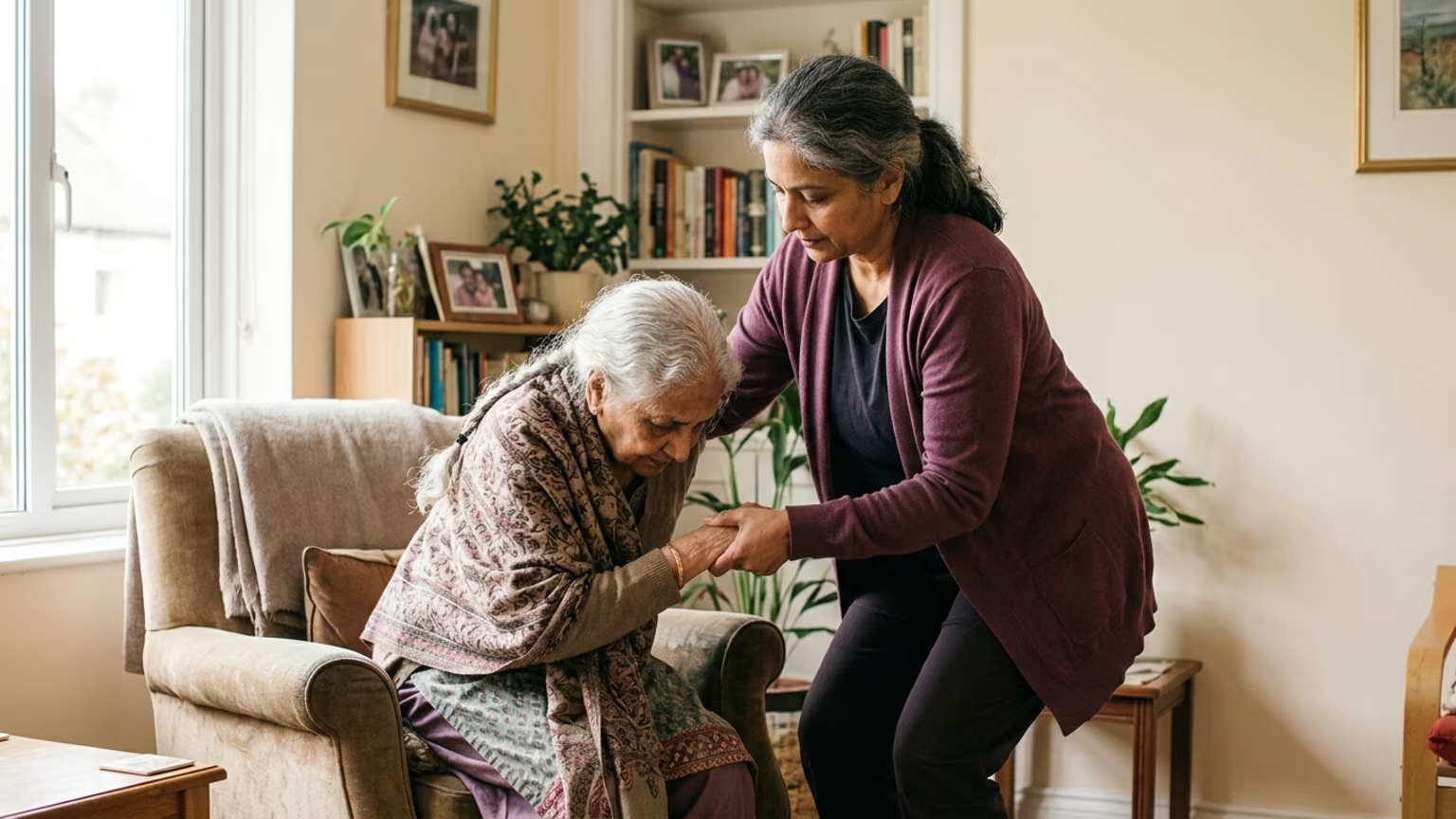
The physical signs of age-related muscle decline appear gradually over years. You might notice that opening heavy doors requires more effort than it did a decade ago. Standing up from a low sofa might suddenly require using your hands for leverage. These subtle shifts in physical capability are not signs of personal failure or sudden illness.
Recognizing these changes early provides a valuable opportunity to adjust your habits. Functional independence relies heavily on maintaining adequate muscle mass and neuromuscular coordination. When everyday tasks begin to feel harder, many women instinctively retreat from physical activity. This avoidance creates a cycle where muscles weaken further from disuse.
It is common to assume that every physical change in your forties and fifties is exclusively driven by shifting reproductive hormones. While the menopausal transition does influence body composition, muscle decline is an age-related trend that affects adults broadly. The Acıbadem International explainer notes that adults who do not actively train may face an estimated 3 to 8 percent loss of muscle mass per decade from about age 40. This is a population-level estimate rather than a menopause-specific statistic.
Separating the aging process from menopause helps clarify which interventions actually work. If you attribute all fatigue or weakness to hormones alone, you might overlook the proven benefits of mechanical loading. Resistance training directly stimulates muscle tissue to adapt and grow. Addressing your shifting physiology with practical nutrition guidance and consistent movement builds a more resilient foundation for the decades ahead.
For decades, fitness marketing directed at women heavily prioritized weight loss and aesthetic changes. The clinical conversation around sarcopenia takes a decidedly different approach by focusing on everyday capability. The Acıbadem explainer presents declining strength and everyday function as the primary concerns of muscle loss. Tasks such as rising from a chair, climbing stairs, walking and carrying loads require adequate muscle mass and neuromuscular coordination.
When you lose muscle, you also lose the functional reserve needed to recover from physical setbacks. A focus on capability reframes exercise from a tool for burning calories into a requirement for physical independence. Prioritizing strength helps you maintain the freedom to move through your life with confidence. Feeling secure in your physical abilities positively impacts your broader mental fitness and confidence, changing how you approach challenges in midlife.
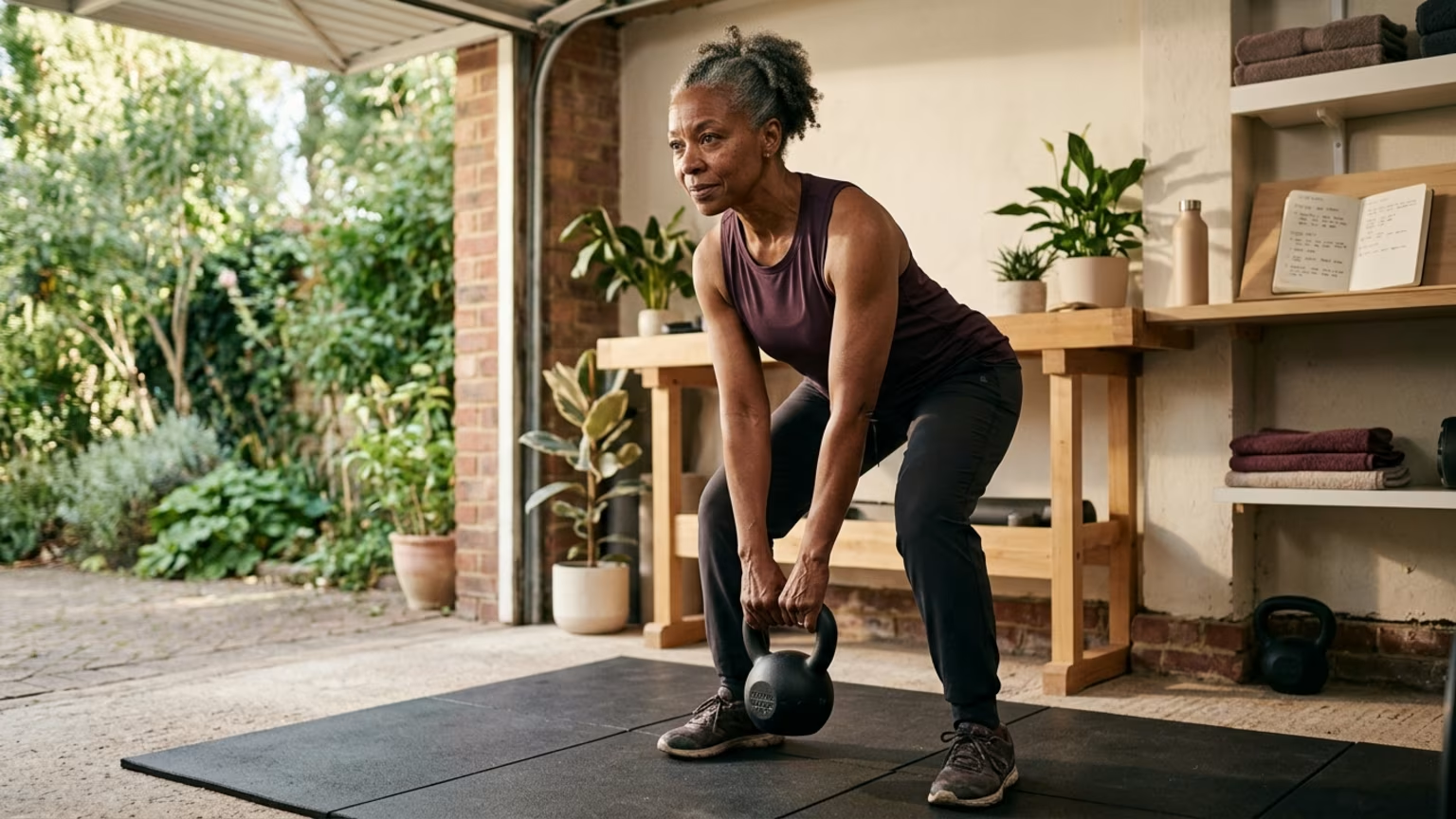
The central practical message from the Acıbadem explainer is that progressive resistance training can slow muscle loss and help rebuild strength. Resistance training involves making your muscles work against a weight or force. To be effective, this training must be progressive, meaning you gradually increase the challenge over time. If the exercises remain too easy, your muscles will not receive the necessary signal to adapt and grow.
The explainer suggests starting with two weekly sessions using accessible movements. Exercises such as sit-to-stands, push-ups against a wall or counter, step-ups and carries form a solid foundational routine. As you become stronger, you can gradually increase the repetitions or the resistance applied. Readers should note that these exercise examples are broad options rather than a universal prescription for all women.
People with conditions such as heart disease, osteoporosis or joint replacements should seek clinician input before starting a new routine. The same caution applies if you are returning to exercise after a period of prolonged inactivity. Consistency is crucial for maintaining your results over time. The Acıbadem guidance observes that muscle gains can diminish if training stops.
Exercise provides the signal for muscles to grow, but dietary protein provides the necessary physical building blocks. The Acıbadem explainer highlights adequate food-based protein as a companion to resistance training. For healthy older adults, the article cites a general range of 1.0 to 1.2 grams of protein per kilogram of body weight per day. This target is presented as a general older-adult protein range, rather than a specific clinical prescription for women navigating menopause.
Meeting this target does not require expensive powders or heavily processed bars. Whole foods like poultry, fish, eggs and lentils provide excellent materials for muscle tissue repair. Focusing on adequate nutrition supports your energy levels and helps you sustain the effort required for consistent resistance training. Building your meals around solid protein sources helps you form sustainable habits without following restrictive dietary trends.
It is vital to recognize that nutritional needs are highly individual. The European Association of Preventive Cardiology scientific statement points out that protein requirements depend on age and health status. Furthermore, the Acıbadem article explicitly advises that people with kidney disease require individualized guidance from a healthcare professional. You should always discuss significant dietary changes with your clinician to verify they align with your overall health profile.
Muscle health does not exist in isolation from the rest of your body systems. The 2026 scientific statement from the European Association of Preventive Cardiology provides valuable adjacent clinical context. It advises resistance exercise, alongside other appropriate physical activity, for the prevention and management of sarcopenia in people with cardiovascular disease. The statement confirms that adequate nutrition, including sufficient protein, plays a critical role in managing these overlapping health priorities.
Women in midlife often experience changes in cardiovascular risk markers simultaneously with changes in body composition. A comprehensive approach to health addresses both systems concurrently. Resistance training improves metabolic health, which in turn supports cardiovascular function. Reviewing strength and metabolism articles can help you understand how these interconnected systems respond to targeted lifestyle adjustments.
While structured exercise and balanced nutrition form the foundation of muscle health, professional guidance remains highly valuable. Your primary care provider can help you establish safe parameters for starting a new physical routine. Appointments are often rushed, leaving little time to discuss topics like functional strength. Bringing up specific observations about your physical capability can help direct the conversation effectively.
Instead of stating a general concern about aging, you might mention a new difficulty with climbing stairs or carrying groceries. Providing concrete examples gives your clinician actionable information to work with. This strategy aligns your care with your goals for long-term physical independence.
Future clinical practice will likely prioritize functional capability over chronological age, treating progressive resistance training as a fundamental requirement for long-term health rather than an optional lifestyle choice.
Relying on health content that treats every problem as a supplement, hormone, or weight-loss opportunity distracts from the practical benefits of progressive resistance training. Refemina addresses the gradual decline in everyday physical capacity by translating credible research into clear guidance, allowing you to maintain your functional strength through midlife and beyond. Explore Resources

Follow Refemina for research-led insights on menopause, strength, metabolism, nutrition, skin, intimacy and confidence through midlife. New articles turn complex topics into clear, useful context.




Keep learning about the changes that shape energy, strength, confidence and wellbeing through midlife.
Explore Resources